
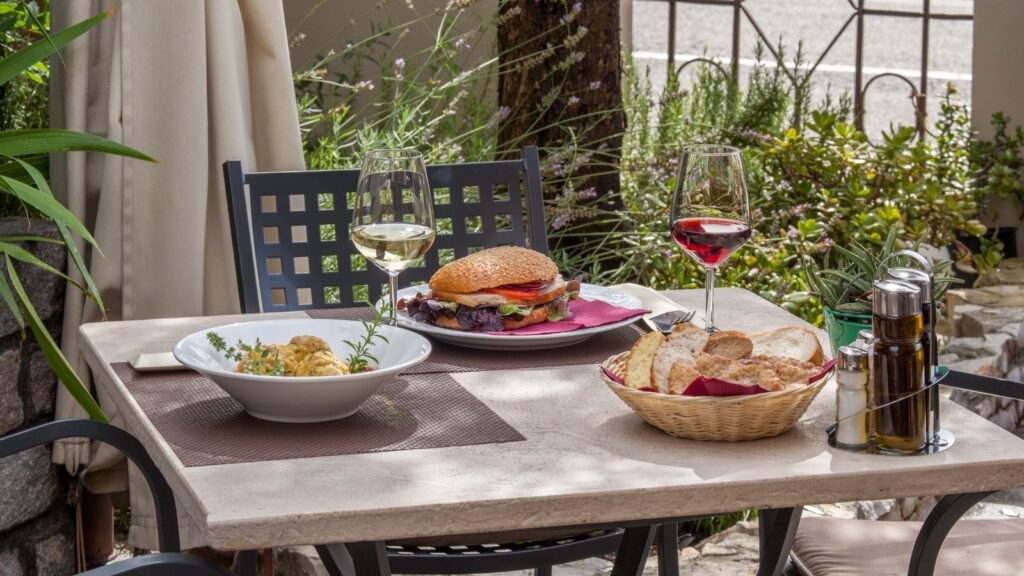
Food and dining shape how a trip feels day to day, often more than any single sight or activity. A memorable meal can become one of the best parts of a trip, while a string of poor food choices can wear a traveler down fast. A little planning around food and dining helps you eat well without spending every evening searching for somewhere good to go.
This guide covers the decisions that matter most: deciding what food experiences you actually want, researching local cuisine, choosing restaurants, handling reservations, budgeting for meals, staying safe with food and water, managing dietary needs, and avoiding the obvious tourist traps. Each section explains the trade-offs so you can build an approach that fits your trip.
Food customs, safety guidance, and dietary resources vary widely by destination and change over time. Use this guide as a framework, and confirm current recommendations with official health advisories, your accommodation, or local sources before and during your trip.
Decide What Food Experiences Matter to You
Not every traveler wants the same thing from food and dining. Some want to eat at a few highly regarded restaurants, others want to try as many street food stalls as possible, and others are happy with simple, familiar meals so they can spend their time and money elsewhere. Deciding what matters to you before you go makes every other food decision easier.
Think about how much of your budget and time you want to spend on meals, and whether food is a main reason for the trip or a supporting part of it. A clear sense of priorities helps you choose which recommendations to follow and which to skip, rather than trying to do everything a guidebook suggests.
Research Local Cuisine Before You Arrive
A little research before you arrive helps you recognize what you are ordering and know what to expect. Look up the dishes, ingredients, and meal customs that are typical of the region, including when main meals are eaten and whether the cuisine is centered on shared plates, set menus, or individual dishes.
Regional and seasonal cuisine can vary significantly even within one country, so look beyond the few national dishes most visitors already recognize. Reading about local cuisine in advance also helps you spot genuinely regional food on a menu, rather than defaulting to dishes you already know.
Choose Restaurants Intelligently
Finding good places to eat usually works better through a mix of sources than any single one. Local recommendations from your accommodation host or hotel staff, people who live nearby, or guides written for residents rather than visitors tend to point toward places with a loyal local following. For more on getting useful local input from where you are staying, see the accommodation guide.
Online reviews are useful but easy to over-trust. A long queue of locals, a menu in the local language with few photos, or a restaurant that is busy at odd hours are often better signals than a high star rating built mostly from tourist reviews. Walking a few streets away from major attractions usually turns up better value and more authentic options.
Reservations and Peak Dining Times
Reservation customs vary by destination and by type of restaurant. In some places, popular restaurants are booked out days or weeks ahead, especially for dinner on weekends, while in others walking in is normal even for well-known spots. Check whether reservations are expected, and book ahead for anywhere you specifically want to try.
Eating slightly outside peak hours can also help, since many destinations have specific windows when locals eat lunch or dinner and restaurants are busiest. Arriving just before or after that peak often means shorter waits and more relaxed service, even at places that do not take reservations.
Food Markets and Street Food
Markets and street food stalls often give some of the most direct access to local cuisine, and can be an affordable way to try several dishes in one visit. Look for stalls with a steady stream of local customers and food that is cooked fresh in front of you, since high turnover is one of the better signs of both quality and food safety.
Go with a bit of curiosity but also some judgment. Start with smaller portions from a few different vendors rather than committing to one stall, watch how food is handled, and skip anything that has been sitting out for a long time or is served at room temperature when it should be hot.
Budgeting for Meals
Meals can take up a significant share of a travel budget, and the range between a quick lunch and a sit-down dinner can be large. Decide roughly how much you want to spend per day on food, and allow for a mix of cheaper meals and the occasional splurge rather than spending at the same level for every meal.
Grocery stores, markets, and self-catering options can stretch a food budget further, especially for breakfast or snacks, while still leaving room for memorable meals out. For a broader approach to planning costs across a trip, see the money and budgeting guide.
Food Safety and Drinking Water Considerations
Food and water safety concerns vary by destination, and what is considered safe can differ from what you are used to at home. Check current official guidance for the specific place you are visiting, since recommendations about tap water, ice, and raw produce are destination-specific and can change.
General habits that help in many places include choosing food that is cooked fresh and served hot, being cautious with raw or undercooked items if you are unsure of hygiene standards, and carrying a basic remedy for stomach upset. If bottled or treated water is recommended at your destination, use it for drinking and brushing teeth as advised.
Allergies, Dietary Restrictions, and Communicating Your Needs
If you have allergies or dietary restrictions, plan for how you will communicate them before you travel. Learn a few key phrases or carry a translated card describing your allergy or restriction clearly, since ingredient names and food preparation methods can differ from what you expect.
Research whether your dietary needs are well understood at your destination, and identify a few restaurant types or dishes that are more likely to be safe. Carrying your own emergency medication, such as an epinephrine auto-injector, and telling staff clearly and early in the meal reduces the chance of a misunderstanding.
Tipping, Payment, and Local Dining Customs
Tipping customs for restaurants vary enormously between destinations, from expected and significant to unnecessary or even considered awkward. Check current guidance for your specific destination rather than assuming your home country's habits apply, and look at whether a service charge is already included in the bill.
Payment customs also differ: some places are cash-preferred, especially at markets and small stalls, while others are highly card- or app-based. Basic table manners and dining customs, such as how dishes are shared or how a meal is signaled as finished, are worth a quick check too, since small customs can matter to hosts and staff.
Avoid Obvious Tourist Traps
Certain signs tend to indicate a restaurant is built mainly for passing tourists rather than for food quality: a prominent location directly facing a major attraction, staff who aggressively invite you in from the street, laminated photo menus in many languages, and a menu that covers an unusually wide range of unrelated cuisines.
None of these signs guarantee a bad meal, but together they are worth noticing. Walking a short distance away from the busiest tourist areas, and prioritizing places recommended by locals or residents, usually improves both the food and the price.
Useful Food and Dining Technology, Without Over-Relying on Apps
Translation apps, map apps, and restaurant review platforms can be genuinely useful for food and dining, especially for reading a menu in an unfamiliar language or finding a specific type of restaurant nearby. Offline translation and offline maps are worth setting up in advance in case of limited connectivity.
Apps work best as a supplement to judgment rather than a replacement for it, since ratings and recommendations can be skewed toward tourist-heavy spots. For a broader look at travel technology worth using and what to skip, see the travel technology guide.
Final Food and Dining Checklist
Before and during your trip, use this short checklist to plan food and dining well. Each item is a reminder to confirm current details for your specific destination.
☐ Food experience priorities decided for this trip
☐ Local cuisine and typical meal customs researched
☐ A mix of restaurant sources checked, not just one review site
☐ Reservations made for must-try restaurants
☐ Daily food budget estimated, with room for a splurge
☐ Current food and water safety guidance checked for this destination
☐ Allergy or dietary needs plan prepared, including key phrases
☐ Tipping and payment customs for this destination checked
Food and dining is one of the easiest parts of a trip to enjoy without over-planning, once the basics are in place. Stay a little curious, follow local recommendations where you can, and leave room in your schedule for an unplanned find — often the best meal of a trip is the one you did not plan for.