
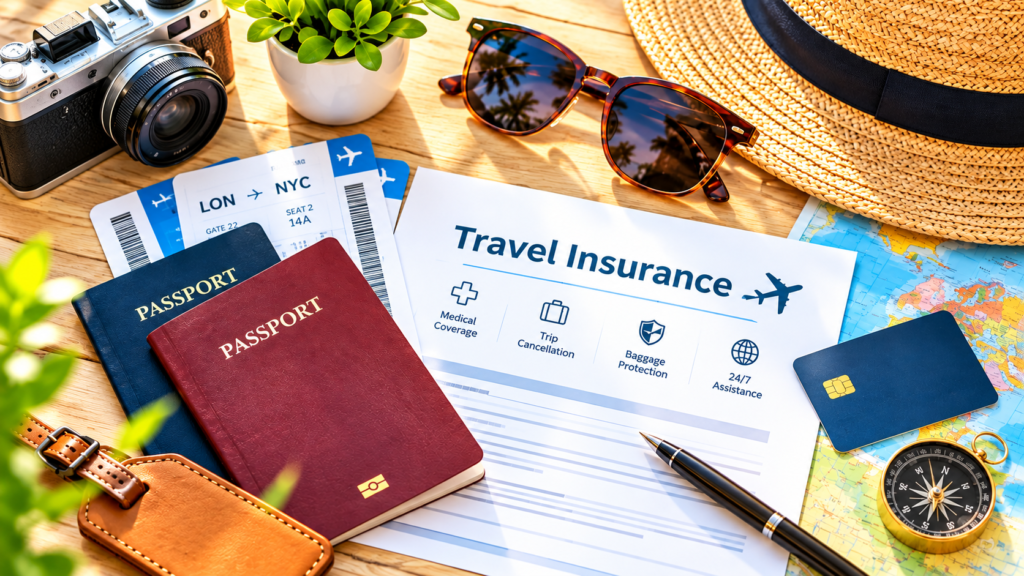
Safety on a trip comes from preparation more than luck. Knowing the local risks, keeping your documents in order, and having the right insurance in place can turn a bad day into a manageable one. The aim is not to worry about everything, but to cover the few risks that would be costly if they happened.
This guide covers the decisions that matter most: how to research a destination's safety, what travel insurance actually covers, how to protect your health and documents, and when to check the fine print. Each section explains the trade-offs so you can choose what suits your plans.
Entry rules, safety advice, insurance terms, and medical requirements change often, and they differ by country and provider. Use this guide as a framework, and confirm current details with your government's travel advice service, your insurer, and the relevant embassy or consulate before you travel.
Research Your Destination's Risks First
Start with the risks that are specific to where you are going. Petty theft, road safety, extreme weather, political unrest, and natural hazards vary widely between destinations and even between regions of the same country. Official travel advice from your government is a good starting point because it is updated as conditions change.
Read the advice for the exact areas you plan to visit, not only the country overall. Pay attention to recent changes, and look for guidance on local laws and customs, since what is ordinary in one place can be an offense in another. Write down the two or three risks that matter most for your trip, then plan around them.
Understand What Travel Insurance Covers
Travel insurance is designed to protect you against costs you cannot easily recover, such as emergency medical treatment, medical evacuation, trip cancellation or interruption, and lost or delayed baggage. Policies differ widely, so the name of the plan tells you less than the list of covered events and limits.
Compare the medical coverage limit, the cost of evacuation, and the deductible or excess. Check whether the policy covers the activities you plan, such as hiking, scuba diving, or winter sports, since many standard policies exclude or limit them. Read the exclusions carefully, especially those for pre-existing medical conditions, alcohol, or travel against official advice.
Check Coverage From Your Credit Card and Home Policies
Some credit cards and bank accounts include travel benefits, such as trip cancellation cover, baggage protection, or emergency assistance. Others offer little beyond a rental car waiver. These benefits can be useful, but they often apply only when the trip is paid for with that card, and they carry their own limits and conditions.
Your existing health insurance may cover care abroad, but many domestic plans do not, or cover only limited emergency treatment. Confirm what applies to you, get the answer in writing where possible, and note the claims process and the phone number to call from abroad. For how to plan for unexpected costs, see the money and budgeting guide.
Protect Your Health Before You Go
Health problems are one of the most common reasons travelers need help abroad. See your doctor or a travel clinic several weeks before departure if you have a chronic condition, need prescriptions, or are unsure about vaccinations. Check the health advice for your destination from your government or a public health authority.
Carry prescription medicines in their original packaging with a copy of the prescription, and check whether they are legal at your destination, since some common medicines are restricted. Pack a basic first aid kit and any personal medication you need. Keep a list of allergies, conditions, and emergency contacts somewhere you can open without signal.
Know How to Get Help Quickly
Emergency numbers vary by country. In many places 112 or 911 connects to emergency services, but others use different numbers, and some systems work differently from what you expect. Look up the correct emergency number for each destination, and save it in your phone before you arrive.
Save the contact details for your embassy or consulate, your insurer's 24-hour assistance line, and your card issuer. If you need hospital care, ask your insurer whether they must be contacted before treatment, since some policies require pre-approval. For arrivals and onward travel, see the flights and transportation guide.
Keep Your Documents Safe and Accessible
Passports, visas, insurance certificates, and prescriptions are hard to replace while you are away. Check that your passport meets the validity rules for your destination, which can require several months beyond your planned departure date. Confirm whether you need a visa or an entry authorization, and apply only through official channels.
Keep copies or scans of key documents separate from the originals, and store digital copies somewhere you can open offline. Leave a copy with someone at home. Carry only the cards and cash you need day to day, and keep the rest in a hotel safe or a secure bag.
Stay Safe in Cities, Crowds, and Transit
Most travel incidents are opportunistic, so common-sense habits go a long way. Keep bags closed and in front of you in crowds, use hotel safes for passports and spare cards, and be wary of distractions designed to pull your attention away from your belongings. Choose well-lit routes at night, and ask your accommodation about neighborhoods that are better avoided.
Use official taxis or ride-hailing services where they operate, and agree on the fare or confirm the meter before you set off. Keep your accommodation address written in the local language, so you can show it to a driver if your phone runs out of battery.
Plan for Weather, Natural Hazards, and Local Conditions
Weather and natural hazards, such as heat, flooding, storms, earthquakes, or wildfire smoke, can disrupt travel and affect your health. Check the forecast and seasonal patterns for your dates, and find out which local warning systems exist. Many countries send alerts through a government app or text message, so sign up before you arrive if one is available.
Build flexibility into your plans during a hazard season. Keep extra water and medication, allow time for delays on routes that may close, and know where to shelter in your accommodation. If authorities advise you to leave or avoid an area, follow that advice, and check your policy, since some policies exclude travel against official warnings.
Understand Common Insurance Exclusions
Claims are most often refused because of exclusions travelers did not notice. Common examples include pre-existing medical conditions, incidents under the influence of alcohol or drugs, and activities classed as high risk. Some policies also exclude losses from unattended luggage, or items left in a vehicle, unless specific conditions are met.
Read the exclusions section before you buy, not after something goes wrong. Ask your insurer to explain any term you do not understand. If you have a pre-existing condition, check whether the policy offers a waiver for it, and whether that waiver depends on buying cover within a set time after your first trip payment.
Keep Records That Support a Claim
A claim is much easier to settle when you can show what happened, when, and what it cost. Keep receipts for medical care, transport, and any replacement items you buy. Get a written police report for theft or serious loss, and ask for medical records or a doctor's note for treatment abroad.
Note the claims deadline in your policy, which can be short, and contact your insurer as soon as you can. Store your claim reference number and the details of the officer or clinic involved. Keep these records with your insurance documents, so you can send them without searching for them later.
Avoid Common Safety and Insurance Mistakes
Most avoidable travel problems come from a few predictable mistakes. Travelers often buy cover without reading the exclusions, assume their domestic health plan works abroad, or skip the passport validity check. Others carry all their cards in one wallet, keep insurance numbers only in an email they cannot open offline, or ignore official warnings until it is too late.
Each of these is easy to avoid with a short checklist and a few minutes at home. Confirm your coverage, save your documents, and check the official advice for each place you visit, so you can focus on the trip rather than on what might go wrong.
Final Safety and Insurance Check
Before you leave, go through this short checklist. Each item is a reminder to confirm current details with your government, insurer, or the relevant authority.
☐ Destination risks and official travel advice checked
☐ Travel insurance coverage and exclusions reviewed
☐ Credit card and home policy benefits confirmed
☐ Passport validity and visa or entry requirements checked
☐ Prescriptions packed with copies, and health advice reviewed
☐ Emergency numbers and insurer assistance line saved offline
☐ Key documents scanned and stored separately from originals
☐ Weather and local alert systems checked before departure
Good safety planning should give you confidence, not anxiety. Revisit your plans a few days before you leave, since advice, entry rules, and policy terms change. Once the essentials are in place, you can set your worries aside and enjoy where you are. For wider planning, see the common travel mistakes guide.