
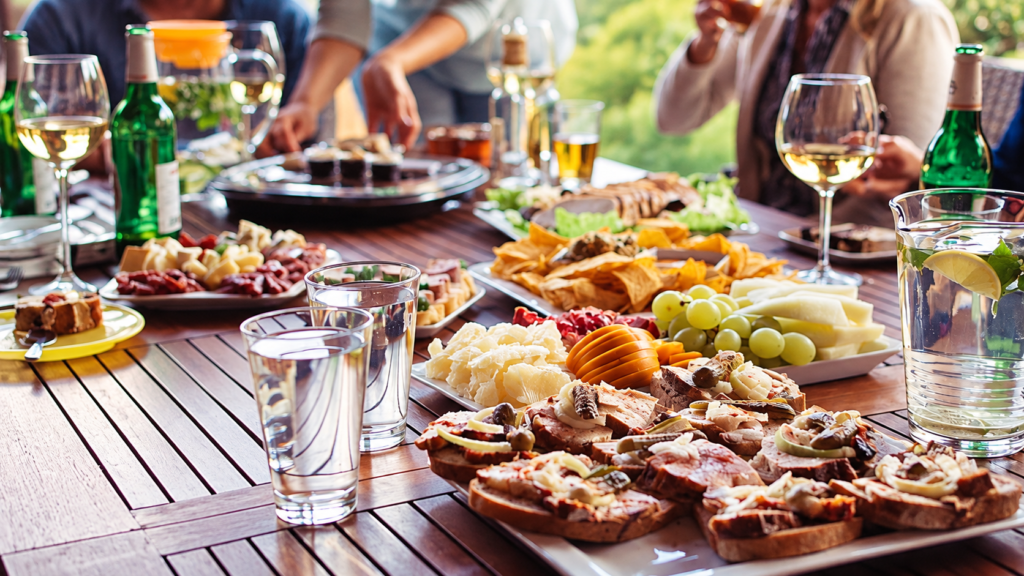
Food is one of the best ways to understand Italy, but there is no single style of “Italian food.” The dishes, ingredients and dining traditions change considerably from one region to another.
What you eat in Rome may be very different from what you find in Naples, Bologna, Florence or Sicily. For travelers, that regional variety is part of the experience.
This guide explains what to look for, which specialties are associated with different parts of Italy, and how to approach restaurants, cafés and markets with a little more confidence.
Think Regionally, Not Just Nationally
One of the biggest mistakes travelers make is searching for the same famous Italian dishes everywhere they go.
Italy’s cuisine is strongly regional. Local ingredients, climate, history and agricultural traditions have shaped what people eat in different parts of the country.
Instead of asking only, “What Italian food should I try?” ask:
- What is this city or region known for?
- Which ingredients are produced locally?
- What dishes would people traditionally eat here?
- What is in season during my visit?
Eating this way usually leads to a more interesting and authentic experience.
Regional Food Highlights
Rome and Lazio
Roman cooking is often simple, direct and built around a relatively small number of ingredients.
Several of Italy’s most famous pasta dishes are associated with Rome and the surrounding Lazio region.
Look for dishes such as:
- Cacio e pepe — pasta with Pecorino Romano cheese and black pepper
- Carbonara — traditionally made with egg, Pecorino Romano, guanciale and black pepper
- Amatriciana — tomato, guanciale and Pecorino Romano
- Gricia — guanciale, Pecorino Romano and black pepper without tomato
- Carciofi — artichokes prepared in several traditional Roman styles when in season
Roman trattorias can be particularly good places to experience these dishes because the cooking tends to rely on technique and ingredient quality rather than elaborate presentation.
Naples and Campania
Naples is one of Italy’s great food cities and the birthplace of the style of pizza now known around the world.
Traditional Neapolitan pizza is typically characterized by a soft, thin center and a puffed, lightly charred crust cooked quickly at very high heat.
Campania is also closely associated with tomatoes, mozzarella di bufala and a wide variety of seafood.
Foods worth looking for include:
- Pizza Margherita
- Pizza Marinara
- Mozzarella di bufala
- Spaghetti alle vongole
- Sfogliatella
- Pastiera
Do not feel that every meal in Naples needs to be a formal restaurant experience. Bakeries, pizzerias and small takeaway counters are an important part of the local food culture.
Tuscany
Tuscan cooking traditionally emphasizes straightforward preparation, seasonal ingredients and foods that reflect the agricultural character of the region.
Bread, beans, vegetables, olive oil and meat all play important roles.
Typical foods include:
- Ribollita — a hearty vegetable and bread soup
- Pappa al pomodoro — tomato and bread-based dish
- Bistecca alla Fiorentina — thick Florentine-style steak
- Panzanella — bread and tomato salad, particularly associated with warmer weather
- Crostini — toasted bread with various toppings
Tuscany is also an excellent place to pay attention to local olive oil, cheeses and wines rather than concentrating only on famous restaurant dishes.
Emilia-Romagna
For many food-focused travelers, Emilia-Romagna is one of Italy’s most rewarding regions.
The region is associated with several foods that have become famous internationally, including Parmigiano Reggiano, Prosciutto di Parma and traditional balsamic vinegar.
Look for:
- Tagliatelle al ragù
- Tortellini
- Lasagne
- Parmigiano Reggiano
- Prosciutto di Parma
- Traditional balsamic vinegar
Bologna is particularly well known for fresh pasta. Travelers expecting “spaghetti bolognese” may be surprised to find that the traditional local pairing is usually tagliatelle with ragù rather than spaghetti.
Liguria
Liguria’s narrow coastline and steep landscape have helped shape a cuisine that feels quite different from central Italy.
The region is strongly associated with basil, olive oil, herbs and seafood.
Look for:
- Pesto Genovese
- Focaccia
- Farinata — a thin chickpea-based preparation
- Fresh seafood
- Pasta served with pesto, potatoes and green beans
Genoa is the natural place to explore many of these foods, but Ligurian specialties can also be found in smaller coastal towns throughout the region.
Veneto
Venetian food extends well beyond pizza and pasta.
Seafood, rice and polenta are common, reflecting the geography and history of the region.
In Venice, look for cicchetti — small snacks typically served in traditional wine bars known as bacari.
Other foods you may encounter include seafood risotto, baccalà preparations, polenta and dishes using ingredients from the Venetian lagoon.
A cicchetti stop can be an enjoyable alternative to sitting down for another full restaurant meal.
Puglia
Puglia’s cuisine makes excellent use of vegetables, olive oil, wheat and fresh cheeses.
Look for:
- Orecchiette
- Burrata
- Focaccia Barese
- Grilled or roasted vegetables
- Seafood in coastal areas
The region is a good example of how relatively simple ingredients can produce extremely flavorful food when they are fresh and locally sourced.
Sicily
Sicilian cuisine reflects centuries of Mediterranean influences and often combines flavors in ways that feel noticeably different from mainland Italy.
Street food, seafood, citrus, pistachios, almonds and sweets are particularly important.
Popular foods include:
- Arancini or arancine — filled rice balls, with the name and form varying by location
- Pasta alla Norma
- Capunata
- Cannoli
- Granita
- Fresh seafood
Markets in cities such as Palermo and Catania can also provide an excellent introduction to Sicilian ingredients and everyday food culture.
Restaurants, Menus and Casual Food
Restaurants, Trattorias and Osterias
Restaurant terminology in Italy can sometimes give you a clue about the style of establishment, although the distinctions are not always rigid today.
A ristorante may offer a more formal dining experience, while a trattoria traditionally suggests simpler regional cooking. An osteria historically focused on wine and straightforward food, although modern osterias can range from very casual to quite sophisticated.
Do not choose a restaurant solely because of the label. Menus, location, clientele and the restaurant’s emphasis on local dishes are more useful indicators.
How to Read an Italian Menu
Traditional Italian menus are often organized into courses.
- Antipasti — starters
- Primi — pasta, risotto, soup or similar first courses
- Secondi — meat or fish
- Contorni — side dishes
- Dolci — desserts
You are not required to order every course.
Depending on your appetite, a primo may be enough for lunch, or you might share an antipasto and then order a main dish. Do not feel obligated to turn every meal into a lengthy multi-course experience.
Look for Shorter, Regional Menus
A restaurant serving a relatively focused menu of regional dishes can often be more promising than one offering dozens of unrelated Italian classics.
If a restaurant in Rome offers every specialty from Sicily, Tuscany, Venice, Naples and Bologna on one enormous multilingual menu, that may be a sign that it is trying to satisfy tourists rather than specialize in local cooking.
This is not an absolute rule, but looking for regional focus can help narrow your choices.
Do Not Avoid Markets, Bakeries and Casual Food
Some of the most memorable food experiences in Italy do not involve formal restaurants.
Local markets, bakeries, cafés, pizzerias and small food shops can provide excellent meals and snacks while also giving you a better sense of everyday life.
They are also useful when you want a lighter lunch rather than another long sit-down meal.
Coffee, Breakfast and Dining Customs
Coffee Culture
Coffee is deeply integrated into daily life in Italy, but ordering can feel slightly different from what travelers may be used to at home.
An espresso is simply called a caffè. Cappuccino and other milk-based drinks are particularly associated with breakfast, although visitors should not treat informal habits as absolute rules.
Many Italians drink coffee quickly while standing at the bar. Depending on the establishment, table service may cost more than drinking at the counter.
If prices matter to you, check the menu or posted price list before sitting down in a heavily visited area.
Breakfast Is Usually Simple
Italian breakfast is often lighter than the large breakfasts common in some other countries.
A typical morning might involve coffee and a cornetto or another pastry.
Hotels catering to international guests frequently provide much larger breakfast buffets, so travelers can choose whichever style suits them.
Understand the Coperto
Many restaurants list a coperto, or cover charge, on the menu. It is usually a fixed charge per person rather than a tip.
Always check the menu so you understand what charges may be added to the bill.
A service charge may also appear in some establishments, particularly in heavily visited areas. If service is already included, take that into account when deciding whether to leave anything additional.
Tipping in Italy
Tipping in Italy generally does not follow the same expectations as in countries where restaurant staff depend heavily on percentage-based gratuities.
For good service, travelers may round up the bill or leave a modest additional amount. Large percentage tips are generally not necessary simply because that is customary at home.
Always check the bill first to see whether service has already been included.
Water at Restaurants
At many restaurants, bottled water is common and you may be asked whether you prefer naturale (still) or frizzante (sparkling).
If you have a preference, specifying it when ordering can make things easier.
Meal Times
Meal times vary by region and establishment, but dinner in Italy often begins later than some North American travelers are accustomed to.
Restaurants may not begin dinner service until the early evening, with many local diners arriving later.
Rather than relying on a universal rule, check the opening hours of the specific restaurant you plan to visit.
Reservations Can Be Worthwhile
You do not need reservations for every meal, but they can be useful for popular restaurants, weekends and busy travel periods.
If there is a particular restaurant you would be disappointed to miss, reserve it rather than building your entire evening around the hope that a table will be available.
How to Find Better Places to Eat
Instead of searching only for “best restaurants in Italy,” narrow your search to the city, neighbourhood and type of food you actually want.
Useful signs can include:
- A menu emphasizing regional specialties
- Seasonal dishes
- A manageable rather than enormous menu
- Local customers as well as visitors
- Clear pricing
- A location slightly away from the most crowded tourist corridors
None of these guarantees a perfect meal, but together they can help you make better choices.
Do Not Judge a Restaurant Only by Its Location
Restaurants immediately beside major landmarks often depend heavily on passing tourist traffic, but that does not automatically make every centrally located restaurant poor.
Use the menu, reviews, regional focus and overall presentation to make a decision rather than applying one rigid rule.
Sometimes walking only a few streets away from the busiest attraction can dramatically increase your options.
Be Willing to Try Local Specialties
You do not need to eat unfamiliar food at every meal, but trying at least a few regional specialties is one of the easiest ways to make a trip feel more connected to the destination.
If you are unsure what to order, ask what the restaurant considers typical of the area or what is especially good that day.
Food Allergies and Dietary Requirements
Travelers with food allergies or strict dietary requirements should prepare before the trip rather than relying entirely on spontaneous communication.
Learn the relevant words in Italian, carry written information explaining serious allergies, and ask questions when ingredients are unclear.
For severe allergies, verify directly with the restaurant whether cross-contact or preparation methods may present a risk.
Leave Room for Spontaneous Meals
It is useful to research several restaurants before travelling, but there is no need to decide every meal in advance.
You may discover a market, bakery or neighbourhood restaurant while exploring that looks more appealing than anything you saved online.
A good approach is to reserve the restaurants that matter most and leave the rest flexible.
Food Is Part of the Destination
The best way to eat in Italy is not to work through a universal checklist of famous dishes. It is to pay attention to where you are.
Try Roman pasta in Rome, pizza in Naples, fresh pasta in Emilia-Romagna, pesto in Liguria and Sicilian specialties in Sicily.
Visit markets, stop at bakeries, try local ingredients and allow some meals to happen spontaneously.
Food in Italy is more than another item on the itinerary. It is one of the most enjoyable ways to experience the differences between regions, cities and communities.
For broader planning information, see our Italy Travel Guide: What to Know Before You Go.
You can also explore more destination-focused food articles in our Food travel guides.