
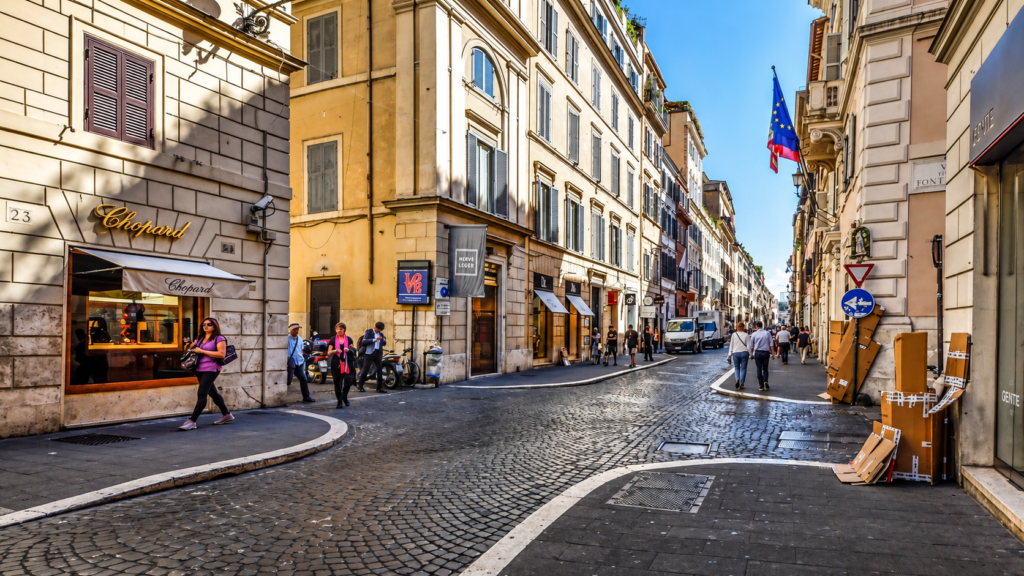
Italy is one of the world’s most visited countries, but understanding a little about its culture can make the experience considerably richer.
Italian culture is not defined by one set of traditions. Customs, accents, food, architecture and even everyday routines can vary significantly from one region and city to another.
Travelers do not need to master every social rule before arriving. A basic understanding of local habits, communication, dress, dining and regional identity can make everyday interactions easier and help you experience Italy beyond its major attractions.
Italy Is Strongly Regional
One of the most important things to understand about Italy is the strength of regional identity.
Someone from Sicily, Tuscany, Veneto or Emilia-Romagna may identify strongly with the traditions, cuisine and history of their home region or city.
Regional differences can appear in:
- Food and cooking traditions
- Local dialects and accents
- Architecture
- Festivals
- Music
- Craft traditions
- Historical identity
For travelers, this means that visiting several parts of Italy can feel like experiencing several distinct versions of the country rather than simply seeing more of the same.
Everyday Life and Social Customs
Slow Down and Experience the Place
Italy rewards travelers who leave time to observe everyday life rather than moving constantly between famous attractions.
A morning coffee at a neighbourhood bar, an evening walk through a piazza or an hour spent exploring a local market can reveal as much about daily culture as another museum visit.
It is worth building some unscheduled time into your itinerary so you can experience the rhythm of the place rather than treating every destination as a checklist.
The Importance of the Passeggiata
In many Italian towns and cities, the early evening can bring a traditional social walk known as the passeggiata.
People may stroll through central streets, squares and waterfront areas before dinner, meeting friends or simply enjoying the atmosphere.
The tradition varies by location, but travelers may notice streets and piazzas becoming noticeably more social in the early evening.
Joining the flow of an evening walk can be an easy way to experience a destination at a more relaxed pace.
Piazzas Are Social Spaces
Italy’s public squares are more than architectural landmarks.
Piazzas frequently function as gathering places surrounded by cafés, churches, shops and civic buildings.
Some are grand and internationally famous, while others are small neighbourhood squares used primarily by local residents.
Spending time in a piazza rather than simply photographing it can give you a better sense of how public space is used in Italian cities and towns.
Greetings and Everyday Courtesy
Simple greetings are appreciated and can make everyday interactions smoother.
Useful expressions include:
- Buongiorno — good morning or good day
- Buonasera — good evening
- Per favore — please
- Grazie — thank you
- Prego — commonly used for “you’re welcome” and in several other polite contexts
- Scusi — excuse me, in a polite or formal context
You do not need to speak fluent Italian. Making an effort to begin an interaction with a greeting before asking a question in English is a simple sign of courtesy.
Formal and Informal Communication
Italian distinguishes between more formal and informal forms of address.
As a traveler, you do not need to become an expert in Italian grammar, but it is useful to understand that interactions with strangers may initially be somewhat more formal than conversations between friends.
A polite greeting and respectful tone are usually more important than using every form perfectly.
Conversation Can Be Expressive
Visitors sometimes notice that Italian conversation appears animated, with expressive gestures, changes in tone and overlapping speech.
That does not necessarily indicate disagreement. Communication styles differ, and energetic conversation can simply reflect engagement.
Avoid interpreting every raised voice or gesture according to the norms you are accustomed to at home.
Family and Community Remain Important
Family and local community play an important role in many aspects of Italian life, although lifestyles naturally vary among individuals and regions.
Travelers may notice families gathering in public spaces, sharing meals or spending evenings together.
Avoid reducing this to a stereotype. Modern Italy is diverse, urbanized and constantly changing, but family and community ties remain visible in many everyday settings.
Italian Time Can Feel Different to Visitors
Travelers sometimes arrive with expectations about when people should eat, shop or socialize based on routines at home.
Local schedules can differ.
Dinner may begin later than you expect, evening streets may become busier after you would normally eat, and some businesses may operate on schedules that vary from North American norms.
Rather than judging those differences, adjust your routine where practical and experience the destination on its own rhythm.
Churches, Art and Historic Places
Dress Matters in Certain Settings
Casual clothing is common, particularly in tourist areas, but certain places require more consideration.
Churches and religious sites may have dress expectations, particularly regarding exposed shoulders or very short clothing.
Rules vary by site, so check requirements before visiting major churches, basilicas or religious complexes.
A lightweight scarf or layer can be useful when sightseeing if you are uncertain about dress requirements.
Churches Are Active Places of Worship
Many of Italy’s most important artistic and architectural sites are also functioning churches.
Even when visitors are allowed inside, remember that people may be attending services, praying or using the building for religious purposes.
Speak quietly, follow photography restrictions and avoid interrupting services or entering restricted areas.
This is particularly important in smaller churches where tourism may be secondary to the building’s religious role.
Photography Requires Awareness
Photography rules vary among museums, churches, archaeological sites and private businesses.
Some locations permit photography but prohibit flash, tripods or video. Others restrict photography entirely in certain areas.
Check posted signs rather than assuming that because other visitors are taking photographs, it is permitted.
When photographing people, markets or private property, use the same consideration you would expect at home.
Museums and Historic Sites Deserve Time
Italy contains an extraordinary concentration of museums, archaeological sites, churches and historic buildings.
Trying to see too many major sites in one day can turn the experience into a race.
Choose the places that interest you most and allow enough time to appreciate them.
For famous sites with timed entry, reserving ahead can reduce uncertainty and help organize your day more realistically.
Art Is Part of Everyday Travel in Italy
In Italy, important art is not confined to major museums.
Paintings, sculptures, mosaics and architectural details can appear in churches, civic buildings, piazzas and even small neighbourhood chapels.
Travelers interested in art should leave time to enter less famous churches and public buildings rather than focusing exclusively on headline attractions.
Learn a Little Local History
A small amount of historical context can dramatically improve a visit.
Rome, Florence, Venice, Naples, Bologna and other Italian cities developed under very different political and cultural circumstances.
Understanding even a basic outline of a city’s history can help explain its architecture, public spaces, art and local identity.
You do not need to study extensively before the trip. A short introduction before arriving in each city is often enough to make what you see more meaningful.
Food, Coffee and Local Traditions
Meal Culture Is Social
Meals in Italy are often treated as social experiences rather than simply opportunities to eat quickly.
Dining customs vary by region and household, but visitors may find that meals move at a more relaxed pace than they are accustomed to.
Restaurants do not necessarily expect tables to turn as quickly as they might in some other countries.
Allowing enough time for meals can make the experience more enjoyable and prevent you from feeling rushed when service follows a slower rhythm.
For a deeper look at regional dishes and dining customs, see our guide to what to eat in Italy.
Coffee Has Its Own Everyday Rhythm
Coffee is closely woven into daily life.
Many Italians stop briefly at a bar for an espresso rather than treating coffee as a long sit-down experience.
Visitors may notice that the price can differ depending on whether coffee is consumed standing at the bar or with table service, particularly in popular tourist areas.
Observe how the establishment works and check posted prices when necessary.
Shopping Hours Can Vary
Do not assume every shop, restaurant or small business follows the same operating schedule.
Hours can vary by region, season and type of business, and some establishments may close for part of the afternoon or on particular days of the week.
Check current hours before making a special trip somewhere, particularly outside major tourist centres.
Markets Offer More Than Shopping
Markets can provide a useful window into everyday life.
Food markets may show you which ingredients are in season, while antique and neighbourhood markets can reveal more about local tastes and traditions.
Some famous markets are heavily visited by tourists, but smaller local markets can still offer an enjoyable cultural experience.
Festivals Can Change the Experience of a Destination
Religious festivals, historical celebrations, food events and local holidays can dramatically change the atmosphere of a town or city.
They may bring processions, performances, street closures, crowds or altered opening hours.
If your trip coincides with a festival, consider it part of the experience rather than simply an inconvenience.
At the same time, check transportation and accommodation availability because popular events can increase demand.
Communication, Neighbourhoods and Local Etiquette
Respect Local Neighbourhoods
Many of Italy’s most beautiful historic districts are also residential neighbourhoods.
Visitors share those spaces with people who live and work there.
Avoid excessive noise late at night, blocking doorways or treating residential streets as if they were theme-park environments.
This is particularly important in destinations experiencing heavy tourism.
Do Not Assume Every Italian Speaks English
English is widely used in many tourism-related businesses, particularly in major destinations, but travelers should not expect everyone to speak it.
Learning a few Italian phrases and using translation tools when necessary can make interactions easier.
Speaking more loudly in English does not make the language easier to understand. Slow, clear communication is usually more effective.
Ask Questions With Curiosity
Travelers often have assumptions about Italian culture before arriving.
Be willing to discover that some of those assumptions are incomplete or outdated.
When appropriate, asking respectful questions about food, traditions, history or local customs can lead to memorable conversations.
Avoid Performing Stereotypes
Italy has been represented in films, television and advertising through a long list of familiar stereotypes.
Visitors should avoid exaggerating accents, gestures or cultural clichés in ways that may come across as mocking.
Approach cultural differences with curiosity rather than imitation.
Transportation and Getting Around
Public Transportation Has Its Own Etiquette
On buses, trams and trains, be aware of the people around you.
Keep luggage from blocking aisles, allow passengers to leave before boarding and pay attention to designated seating.
Transportation systems and ticket-validation requirements vary, so check local rules rather than assuming that purchasing a ticket automatically completes every required step.
Driving Requires Extra Awareness
Italy can be rewarding to explore by car, particularly in rural regions, but historic city centres often present challenges.
Many cities have restricted traffic zones, narrow streets and limited parking.
If you rent a car, research local access and parking rules before driving into historic centres.
For major cities such as Rome, Florence or Venice, public transportation and walking are often more practical than keeping a car in the city centre.
Experiencing Italy With Respect
Do Not Treat Italy as One Cultural Experience
A trip that includes Rome, Florence, Venice and Naples should not feel like visiting four versions of the same city.
Each has its own history, architecture, cuisine, traditions and relationship with visitors.
Look for those differences rather than trying to reduce Italy to a single image of pasta, piazzas and Renaissance art.
Learn From Each Region
One of the pleasures of travelling through Italy is noticing how quickly the character of a place can change.
The architecture of Venice, the streets of Naples, the landscapes of Tuscany and the traditions of Sicily each tell different stories.
Rather than asking which region is the “most Italian,” recognize that this diversity is itself an important part of Italian culture.
Respectful Travel Makes the Experience Better
You do not need to behave exactly like a local to travel respectfully in Italy.
Learn a few phrases, observe how people use public spaces, dress appropriately where required, respect religious and historic sites and remain aware that beautiful neighbourhoods are also places where people live.
Those small habits can make interactions smoother while helping you experience more of the culture behind the famous landmarks.
Experience Italy Beyond the Attractions
Italy’s museums, monuments and historic cities are extraordinary, but culture is also found in ordinary moments.
It is in the evening walk through a piazza, the conversation at a neighbourhood café, the regional dish you had never heard of and the small church you entered without planning to.
Leave enough space in your itinerary for those experiences.
For complete trip-planning information, see our Italy Travel Guide: What to Know Before You Go.
You can also explore more destination-focused articles in our Culture travel guides.