
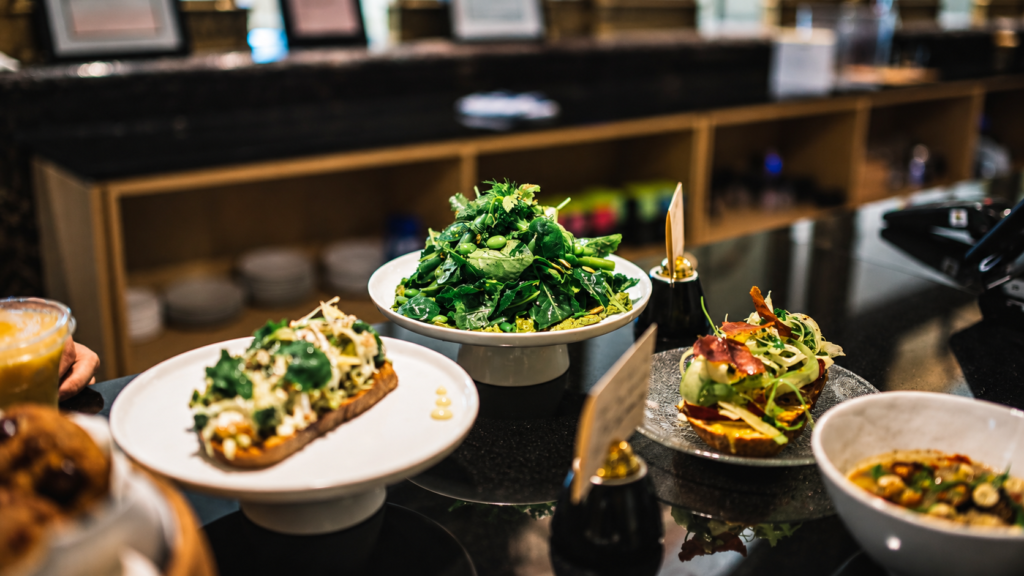
Knowing what to eat in Canada means looking far beyond maple syrup and poutine. Canada stretches across three oceans and enormous differences in climate, agriculture, culture and geography, so food changes dramatically from one region to another.
Atlantic Canada is closely connected with lobster, oysters, mussels, scallops and traditional fishing communities. Quebec has its own distinctive French-speaking food culture. Ontario combines agricultural regions with some of the country’s most diverse cities, while the Prairies are strongly connected with grain, ranching, bison and regional immigrant traditions.
British Columbia adds Pacific salmon, shellfish and Asian culinary influences, while northern Canada introduces travelers to ingredients and food traditions shaped by Arctic and subarctic environments.
Indigenous food traditions are also fundamental to understanding Canada’s culinary story, although there is no single Indigenous cuisine. Foods, ingredients and techniques vary enormously between First Nations, Inuit and Métis communities and between different territories and ecosystems.
This guide will help you understand the regional specialties, markets, everyday foods and culinary traditions worth exploring as you travel across Canada.
What to Eat in Canada: Think Regionally
Canada is too large and culturally diverse to be represented by a short list of national dishes.
A meal beside the Atlantic Ocean in Prince Edward Island may revolve around lobster and potatoes. In Quebec, you might encounter poutine, tourtière and a spring sugar-shack meal. Alberta restaurants highlight beef, bison and Prairie ingredients, while Vancouver combines Pacific seafood with one of Canada’s strongest Asian dining scenes.
Destination Canada describes the country’s culinary identity as closely connected with the land itself, from Pacific salmon and Prairie agriculture to Quebec maple syrup and Atlantic lobster.
Its Canadian culinary guide is a useful resource for finding regional food experiences around the country.
When deciding what to eat in Canada, ask what the province, territory or community you are visiting produces particularly well rather than searching for the same famous Canadian foods everywhere.
Indigenous Food Traditions and Experiences
Indigenous food traditions predate Canada itself and remain living, evolving parts of contemporary food culture.
It is important not to describe Indigenous cuisine as though it were one uniform tradition. First Nations, Inuit and Métis communities developed food practices according to their own lands, waters, climates and cultural knowledge.
Depending on the region, ingredients may include salmon, freshwater fish, shellfish, wild rice, berries, corn, beans, squash, bison, game, seaweed and northern plants.
Bannock also appears in many contemporary Indigenous restaurants and cultural experiences, although recipes, histories and methods vary between communities.
The best way for travelers to learn about these food traditions is through Indigenous-owned or Indigenous-led restaurants, tours and cultural experiences where the stories and ingredients can be presented by the communities themselves.
Destination Canada’s guide to Indigenous cuisine across Canada highlights Indigenous-led food experiences in several provinces and territories.
Atlantic Canada
Food in Atlantic Canada is deeply connected with the ocean, fishing communities, farming and Acadian, Indigenous and European traditions.
Prince Edward Island
Prince Edward Island is particularly famous for lobster, oysters, mussels and potatoes.
Island oysters are served raw and cooked, while mussels appear throughout casual and upscale restaurants. Lobster rolls, traditional lobster suppers and seafood chowder are easy to find during the main tourism season.
Potatoes are equally important to the island’s agricultural identity and appear in everything from simple side dishes to contemporary restaurant menus.
Tourism PEI describes shellfish, potatoes, beef and dairy as central parts of the island’s culinary identity.
Nova Scotia
Nova Scotia offers lobster, scallops, oysters, mussels and seafood chowder along an extensive coastline.
Digby is particularly associated with scallops, while lobster can be enjoyed in fishing communities throughout the province.
Halifax has its own famous street food: the donair, made with seasoned meat served in pita with tomatoes, onions and a distinctive sweet sauce.
Wild blueberries, Annapolis Valley apples and Nova Scotia wines add another side to the province’s food culture beyond seafood.
New Brunswick
New Brunswick combines seafood with strong Acadian food traditions.
Look for lobster, scallops, clams and seafood chowder along the coast. Traditional Acadian dishes may include fricot, a comforting stew usually made with chicken or another meat, potatoes and dumplings.
Spring also brings fiddleheads, the tightly curled young shoots of ostrich ferns that are harvested for a relatively short season.
Newfoundland and Labrador
Newfoundland and Labrador has some of Canada’s most distinctive traditional foods.
Toutons are pieces of bread dough fried until golden and commonly eaten at breakfast.
Fish and brewis traditionally combines salt cod with hard bread, while cod tongues, snow crab, wild berries, moose and bakeapples may also appear on regional menus.
Contemporary restaurants in St. John’s and elsewhere increasingly reinterpret traditional ingredients while maintaining strong connections with the province’s fishing and outport heritage.
Quebec
Quebec has one of Canada’s most recognizable regional food identities.
Poutine
Poutine combines french fries, cheese curds and hot gravy.
Variations now appear throughout Canada, but Quebec remains the dish’s cultural home and one of the best places to experience a classic version.
Montreal Bagels and Smoked Meat
Montreal has several foods closely associated with the city.
Montreal-style bagels are relatively thin, slightly sweet and traditionally baked in wood-fired ovens.
Montreal smoked meat is another city specialty, generally served in thick slices on rye bread with mustard.
Sugar Shacks and Maple Season
Maple syrup is produced in several parts of Canada, but Quebec has an especially strong maple tradition.
During the spring sugaring season, traditional cabane à sucre, or sugar-shack, meals combine maple products with hearty dishes designed for sharing.
Tourisme Québec identifies poutine, Montreal-style bagels and sugar-shack traditions among the province’s characteristic culinary experiences.
Ontario
Ontario’s food scene reflects both a major agricultural province and some of Canada’s most culturally diverse cities.
Toronto and Multicultural Dining
Toronto is one of the best places in Canada to explore food traditions from around the world.
Neighbourhoods and restaurants reflect Chinese, South Asian, Caribbean, Italian, Middle Eastern, Korean, Filipino, Ethiopian and many other communities.
Kensington Market, St. Lawrence Market and numerous neighbourhood dining areas allow travelers to experience this diversity without reducing Canadian food to a small collection of traditional dishes.
Peameal Bacon
Toronto is particularly associated with peameal bacon, a cured pork loin traditionally coated in cornmeal.
A peameal bacon sandwich from St. Lawrence Market is one of the city’s most familiar casual food experiences.
Butter Tarts
Butter tarts are small pastry shells filled with a rich mixture commonly made from butter, sugar, syrup and egg.
The debate over whether raisins belong in a butter tart is part of the fun, and bakeries throughout Ontario produce their own versions.
Niagara Wine and Icewine
The Niagara Peninsula is one of Canada’s major wine regions.
Icewine is made from grapes that freeze naturally on the vine, concentrating the juice before pressing.
Winery visits around Niagara-on-the-Lake and surrounding areas allow travelers to explore both table wines and Canada’s internationally recognized Icewine.
The Prairie Provinces
Manitoba, Saskatchewan and Alberta reflect Canada’s agricultural heartland, but Prairie cuisine is far more varied than steak alone.
Alberta Beef and Bison
Alberta is closely associated with ranching and high-quality beef.
Bison also appears increasingly on restaurant menus in steaks, burgers, stews and contemporary dishes.
Saskatoon berries, barley, mustard, honey and locally grown grains are other ingredients strongly connected with Prairie agriculture.
Ukrainian and Eastern European Influences
Large Ukrainian and Eastern European communities have had a lasting influence on Prairie food.
Perogies, cabbage rolls and sausages appear in restaurants, community events and family cooking throughout Manitoba, Saskatchewan and Alberta.
These dishes have become so familiar in parts of western Canada that they are often treated as part of everyday regional food culture.
British Columbia
British Columbia combines Pacific seafood, fertile agricultural regions, wine country and a particularly diverse urban restaurant scene.
Pacific Seafood
Wild Pacific salmon is one of the province’s defining ingredients.
Depending on season and location, travelers may also encounter halibut, spot prawns, Dungeness crab, oysters and other seafood from the Pacific coast.
Vancouver Island and smaller coastal communities provide excellent opportunities to connect seafood with the place where it was harvested.
Vancouver and Richmond
Metro Vancouver has an outstanding Asian food scene, particularly Chinese, Japanese and other East and Southeast Asian cuisines.
Richmond is especially strong for Chinese dining, dim sum and Asian food courts, while Vancouver offers everything from sushi and ramen to contemporary restaurants built around British Columbia ingredients.
The Okanagan Valley
The Okanagan Valley combines vineyards, orchards, lakes and agricultural communities.
Wine tasting can be combined with seasonal fruit, farm stands and restaurants that emphasize local produce.
Northern Canada
Food in Yukon, the Northwest Territories and Nunavut reflects northern climates, remote geography and diverse Indigenous traditions.
Depending on the community, regional ingredients may include Arctic char, caribou, muskox, berries and other foods connected with northern land and water.
Traditional harvesting practices carry deep cultural significance and should not be treated simply as exotic foods for visitors.
Indigenous-led cultural and culinary experiences are the most appropriate way to learn how local foods connect with community, season, land and tradition.
Restaurant availability can also be more limited in remote northern communities, and imported food can be expensive because of transportation distances.
Canadian Foods You May Encounter Across the Country
Although Canadian cuisine is highly regional, several foods have become recognizable across much of the country.
Maple Syrup
Real maple syrup is produced primarily in eastern Canada and appears in breakfasts, desserts, sauces, candies and contemporary restaurant dishes.
Visiting a sugar bush during maple season provides much more context than simply buying a bottle at a souvenir shop.
Poutine
Poutine originated in Quebec but is now found throughout Canada.
The classic combination remains fries, fresh cheese curds and gravy, although restaurants increasingly add meats, vegetables and other toppings.
Nanaimo Bars
The Nanaimo bar is closely associated with the British Columbia city of Nanaimo.
The no-bake dessert usually combines a crumb-and-coconut base, a creamy middle layer and chocolate on top.
Markets, Food Halls and Local Producers
Markets are one of the easiest ways to explore Canada’s regional food culture.
Toronto’s St. Lawrence Market, Montreal’s public markets, Vancouver’s Granville Island Public Market and farmers’ markets across smaller communities bring local producers, bakers, butchers, fishmongers and prepared-food vendors together in one place.
Farm stands and roadside producers can be equally rewarding, particularly in agricultural regions such as Prince Edward Island, southern Ontario, the Annapolis Valley, the Prairies and British Columbia’s Okanagan Valley.
Season matters. Strawberries, corn, peaches, apples, berries, lobster seasons and farmers’ market offerings all change through the year.
Practical Dining Tips for Canada
Look for Regional Ingredients
A restaurant does not need to advertise itself as “Canadian cuisine” to provide an excellent Canadian food experience.
A seafood restaurant in Nova Scotia, a Quebec casse-croûte, a Prairie steakhouse or a Vancouver restaurant serving local salmon may tell you more about the country than a menu built around national stereotypes.
Explore Cultural Neighbourhoods
Immigration has profoundly shaped food in Canadian cities.
Do not limit yourself to foods marketed as traditionally Canadian. Chinese food in Richmond, South Asian food in the Greater Toronto Area, Italian food in Montreal or Caribbean food in Toronto can all be part of understanding contemporary Canada.
Ask What Is Seasonal
Canada’s strong seasons affect what farms, markets and restaurants can offer locally.
Ask what is currently being harvested or landed rather than assuming the same ingredients are local year-round.
Make Room for Small Producers
Cheese makers, bakeries, cideries, breweries, wineries, maple producers, farmers and fishers are often important parts of regional food tourism.
A visit to a producer or market can provide a stronger connection with the destination than another meal in a large chain restaurant.
Experience Canada Through Its Food
The best way to understand what to eat in Canada is to stop looking for one national menu.
Eat lobster and oysters on the Atlantic coast. Try poutine and visit a sugar shack in Quebec. Explore Toronto’s markets and multicultural neighbourhoods. Taste beef, bison and Prairie ingredients in Alberta, Pacific seafood in British Columbia and foods connected with northern landscapes when traveling farther north.
Whenever possible, seek out Indigenous-led experiences that explain food through the perspective of the communities whose traditions you are encountering.
Canada’s size is precisely what makes its food interesting. Climate, migration, agriculture, oceans and cultural traditions have created regional cuisines that can feel completely different from one province or territory to the next.
For broader trip planning, see our Canada Travel Guide: What to Know Before You Go.
You can also explore more regional cuisine through our Food travel guides.