
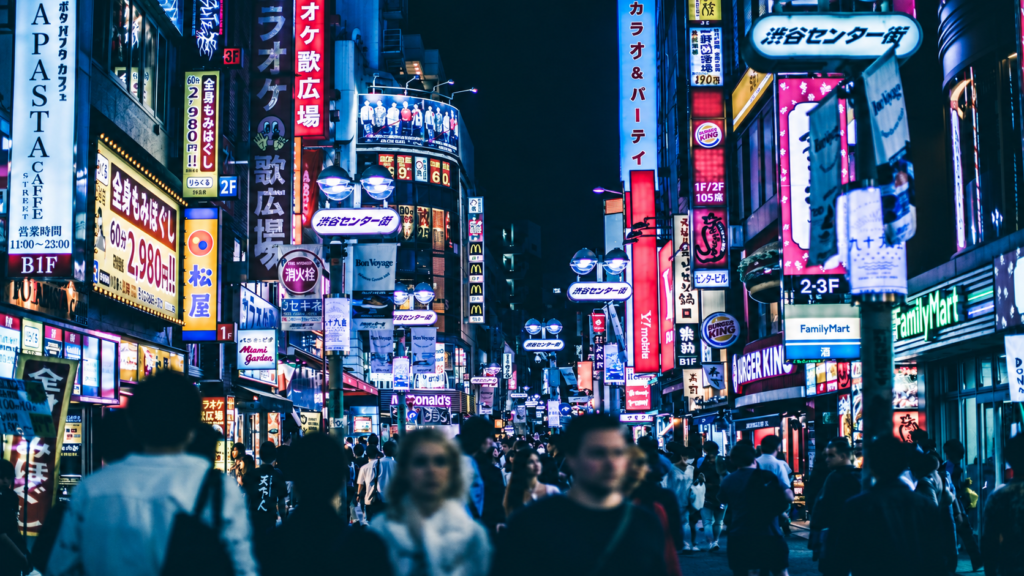
Japan can feel remarkably easy to travel through, but understanding a little about local customs and everyday etiquette can make the experience even smoother.
Japanese culture is shaped by long-standing traditions, regional differences and modern urban life. Visitors do not need to memorize a complicated list of rules, but paying attention to how people behave in shared spaces, restaurants, temples, trains and neighbourhoods can help you travel more respectfully and confidently.
This guide covers practical cultural customs travelers are likely to encounter, along with some of the traditions and everyday habits that help make Japan such a distinctive destination.
Everyday Etiquette and Public Behavior
Observe Before You Act
One of the most useful habits in Japan is simply to watch what people around you are doing.
Many expectations are communicated through behaviour rather than signs or verbal instructions. If you are uncertain about where to stand, how to queue, where to place your shoes or how a restaurant operates, observing local customers for a moment can often provide the answer.
Travelers are not expected to know every custom. A respectful attitude and willingness to adapt matter more than perfect etiquette.
Politeness Is Built Into Everyday Interaction
Courtesy is highly visible in many everyday situations, from shops and hotels to restaurants and public transportation.
Simple phrases can be useful:
- Konnichiwa — hello or good afternoon
- Ohayou gozaimasu — good morning
- Arigatou gozaimasu — thank you
- Sumimasen — excuse me or sorry, and often useful when getting someone’s attention
- Onegaishimasu — please, depending on the situation
You do not need to speak Japanese fluently. Even a few polite expressions can make interactions more comfortable.
Bowing
Bowing is used in a variety of situations, including greetings, thanks and apologies.
Visitors are not expected to understand every level of formality. A small, natural bow of the head is usually enough when responding to someone who bows to you.
There is no need to exaggerate or imitate highly formal bows you may see in ceremonial or professional settings.
Queuing Is Taken Seriously
Orderly queues are common at train platforms, restaurants, shops and attractions.
Train platforms often have markings showing where passengers should wait for particular doors.
Allow people to exit before boarding, follow the queue and avoid pushing ahead even when the platform becomes crowded.
Public Transportation Is Usually Quiet
Japanese trains and subways can be extremely busy, but the atmosphere inside is often relatively quiet.
Keep conversations at a moderate volume and avoid playing audio through your phone without headphones.
Phone calls are generally discouraged on many trains, particularly in crowded urban systems.
If you are carrying luggage, keep it from blocking aisles or doors whenever possible.
Priority Seating
Priority seating areas are intended for passengers who may need them, including older adults, pregnant passengers and people with disabilities.
Be aware of signage and be prepared to offer your seat when appropriate.
Escalator Customs Can Vary
Visitors sometimes hear that people stand on one particular side of an escalator in Japan, but practices have historically varied by city and region.
More importantly, transportation authorities increasingly encourage passengers to stand rather than walk on escalators for safety.
Follow local signs and the behaviour of people around you rather than relying on a rigid rule.
Keep Your Voice Down in Quiet Areas
Japan is not universally quiet, but many shared public spaces operate at a lower volume than travelers may be accustomed to.
Temples, trains, residential streets and certain restaurants may feel noticeably calm.
Match the atmosphere rather than assuming the same volume is appropriate everywhere.
Public Cleanliness
Visitors often notice how clean many Japanese streets and public spaces appear despite the limited number of public rubbish bins in some areas.
It can be useful to carry a small bag for your own rubbish until you find an appropriate place to dispose of it.
Do not leave waste beside a full bin or on a street simply because no bin is immediately available.
Eating While Walking
The idea that eating while walking is always prohibited in Japan is overly simplistic.
What is appropriate depends on the place and situation.
At markets, festivals and food stalls, you may be expected to eat near the vendor or in a designated area rather than walking through crowded streets with food.
Observe local signs and behaviour.
Homes, Shoes and Traditional Interiors
Shoes Come Off in Some Places
Removing shoes is one of the customs travelers are most likely to encounter.
You may be asked to remove footwear in:
- Traditional accommodation
- Some restaurants
- Temples or historic buildings
- Private homes
- Rooms with tatami flooring
A change in floor level, shoe racks or slippers near an entrance can indicate that footwear should be removed.
Wear socks that are clean and in good condition when you know you will be visiting traditional interiors.
Tatami Etiquette
Tatami mats are traditional floor coverings found in ryokan, temples, tea rooms and some restaurants.
Outdoor shoes should not be worn on tatami.
In many situations, slippers are also removed before stepping onto the mats, leaving you in socks or bare feet depending on the setting.
Slippers May Have Specific Uses
Some traditional accommodations provide indoor slippers, and separate slippers may be available for toilets.
If toilet slippers are provided, remember to remove them before returning to the rest of the room or building.
This is a small detail, but one that travelers occasionally overlook.
Temples, Shrines and Sacred Spaces
Temples and Shrines Are Different
Japan has both Buddhist temples and Shinto shrines, and travelers may visit many of each during a trip.
Shinto shrines are often identified by a torii gate, while Buddhist temples may contain halls, statues, incense burners and other features associated with Buddhist practice.
You do not need extensive religious knowledge to visit respectfully, but remember that these are active sacred spaces rather than simply tourist attractions.
Visiting Shinto Shrines
Customs can vary, but visitors may see people bow before passing through a torii gate and avoid walking directly through the centre where practical.
Many shrines also have a purification fountain known as a temizuya or chozuya.
If you choose to participate in purification or prayer rituals, follow posted instructions or observe respectfully before taking part.
Visiting Buddhist Temples
Temple etiquette differs depending on the site.
Some temples permit visitors inside important halls while others restrict certain spaces.
Photography may be prohibited around sacred objects or interior areas even when it is allowed elsewhere on the grounds.
Pay attention to signage and avoid interrupting people who are praying or participating in religious activities.
Photography Requires Awareness
Japan is extremely photogenic, but not everything should automatically be photographed.
Restrictions may apply inside temples, shrines, museums, restaurants, shops and private properties.
Also be considerate when photographing people, particularly in residential neighbourhoods or during religious ceremonies.
A location being popular on social media does not remove the need to respect local rules or privacy.
Respect Residential Neighbourhoods
Some traditional streets and neighbourhoods have become very popular with visitors.
Remember that people live and work in these areas.
Avoid blocking entrances, photographing private property intrusively, entering restricted lanes or gathering in ways that interfere with residents.
Follow local signs even if you have seen photographs online showing travelers standing somewhere that is now restricted.
Dining and Payment Customs
Convenience Stores Have Their Own Rhythm
Convenience stores are part of everyday life in Japan and are useful for food, drinks, cash machines and basic travel necessities.
When purchasing prepared food, staff may ask whether you need utensils or whether an item should be heated.
Some stores provide eating areas, although availability varies.
Cash Is Still Useful
Japan has become increasingly friendly to cards and electronic payments, but cash remains useful in some smaller restaurants, temples, rural businesses and traditional establishments.
Carry some Japanese yen rather than relying on a single payment method.
When paying with cash, a small tray is often provided at the counter. Place the money on the tray rather than reaching directly toward the cashier unless staff indicate otherwise.
Tipping Is Generally Not Expected
Traditional percentage-based tipping is generally not part of ordinary Japanese restaurant, taxi or hotel culture.
Trying to leave extra cash may create confusion in some situations.
Pay the amount requested unless the service clearly operates under a different system.
Restaurant Etiquette
Japanese restaurants range from quick counter-service establishments to highly formal dining rooms, so there is no single set of rules that applies everywhere.
Useful habits include:
- Wait to be seated when appropriate
- Observe where bags and coats are placed
- Keep your voice appropriate to the room
- Follow the restaurant’s ordering system
- Return trays or dishes when the establishment expects it
For a deeper introduction to Japanese cuisine and dining customs, see our guide to what to eat in Japan.
Chopstick Etiquette
You do not need perfect chopstick technique, but a few customs are worth knowing.
Avoid sticking chopsticks upright in a bowl of rice because of its association with funeral practices.
Also avoid passing food directly from one pair of chopsticks to another.
Do not use chopsticks to point at people or objects.
Bathing Culture and Traditional Accommodation
Bathing Culture
Traditional public baths, known as sento, and hot springs, known as onsen, can be memorable parts of a trip to Japan.
The bathing process differs from a swimming pool or spa.
You normally wash and rinse thoroughly before entering the shared bath. The bath itself is for soaking rather than washing.
Swimwear is generally not worn in traditional communal baths.
Onsen Rules
Rules vary by facility, so always follow the instructions provided.
Typical expectations include:
- Wash before entering the bath
- Keep the small towel out of the bath water
- Do not swim or splash
- Keep long hair from entering the water
- Respect the quiet atmosphere
If you are uncertain, many facilities provide illustrated instructions.
Tattoos and Onsen
Policies regarding tattoos vary considerably.
Some onsen prohibit tattoos, while others permit them, allow small tattoos to be covered or provide private bathing options.
Check the facility’s current policy before visiting rather than assuming all onsen follow the same rule.
Ryokan Etiquette
Staying in a traditional Japanese inn, or ryokan, can provide a different experience from a conventional hotel.
You may encounter tatami rooms, futon bedding, communal baths, slippers and multi-course meals.
Staff will usually explain important procedures, so there is no need to arrive knowing everything.
Observe the distinction between areas where shoes, slippers or socks are appropriate.
Yukata
Ryokan and some hotels provide a lightweight robe known as a yukata.
Guests may wear it within the property and, in some hot-spring towns, while walking around the neighbourhood.
When wearing a yukata, the left side is generally wrapped over the right.
Transportation and Travel Etiquette
Punctuality Matters
Japan has a strong reputation for punctual transportation and scheduled services.
Arrive on time for trains, tours, restaurant reservations and appointments.
If a train departs at a particular time, do not assume there will be a grace period.
Do Not Block Busy Spaces
Major stations can be extremely crowded and operate efficiently because people keep moving.
If you need to check a map or phone, step to the side rather than stopping abruptly in the middle of a passageway.
This is particularly useful in large stations such as Tokyo, Shinjuku, Shibuya, Kyoto and Osaka.
Luggage Etiquette
Large suitcases can be difficult to manage on crowded trains and in compact stations.
Japan has well-developed luggage forwarding services that can allow travelers to send bags between hotels rather than carrying them on every train.
Some high-speed train routes also have rules relating to oversized luggage, so check current railway requirements before travelling with very large bags.
Respect Quiet Cars and Reserved Spaces
Transportation providers may designate certain areas for specific passengers or purposes.
Pay attention to signs regarding reserved seats, women-only cars during designated hours, priority areas and luggage storage.
Social Customs and Everyday Traditions
Business Cards and Formal Customs
Travelers visiting Japan for leisure are unlikely to need to follow formal business-card etiquette in everyday situations.
If you are travelling for business, however, customs around exchanging business cards can be more formal than casual tourists may expect.
Business travelers should research professional etiquette separately from ordinary sightseeing customs.
Gift Giving
Gift giving has an important place in Japanese social culture, but ordinary tourists are not expected to carry gifts for every interaction.
If you are staying with friends, visiting someone’s home or receiving significant personal assistance, a small gift from your home region can be a thoughtful gesture.
Presentation can be important, and beautifully wrapped gifts are common in Japan.
Omiyage
Omiyage refers broadly to souvenirs or gifts brought back for others after travelling.
Regional sweets and packaged foods are particularly popular, which is why train stations and airports often contain beautifully presented boxes associated with specific destinations.
Browsing omiyage shops can be an interesting way to see how strongly regional identity appears in Japanese food and design.
Seasonal Traditions and Festivals
Seasonality Is Part of Japanese Culture
Seasonal change is highly visible in Japanese tourism, food, festivals and aesthetics.
Cherry blossoms in spring and autumn foliage are famous examples, but seasonal awareness extends much further.
Foods, decorations, sweets, festivals and even product packaging often reflect the time of year.
Paying attention to seasonal details can add another dimension to a trip.
Cherry Blossom Season
Cherry blossom viewing, known as hanami, is an important seasonal tradition.
Parks can become extremely busy when blossoms reach their peak.
If you participate in a picnic or viewing event, follow local rules regarding reserved spaces, rubbish, alcohol and restricted areas.
Bloom timing varies by region and year, so do not plan solely around historical averages.
Autumn Foliage
Autumn foliage is another major seasonal attraction and can transform temples, gardens and mountain areas.
As with cherry blossoms, timing varies with elevation, latitude and weather.
Popular viewing sites can become crowded during peak periods.
Festivals
Japan has thousands of local festivals, or matsuri, ranging from major national attractions to small neighbourhood celebrations.
Festivals may involve processions, floats, traditional clothing, performances, food stalls and religious rituals.
If your visit coincides with a festival, check transportation arrangements and crowd expectations because streets or train services may be unusually busy.
Traditional Arts and Cultural Experiences
Traditional Arts
Travelers interested in Japanese culture can explore traditional arts through performances, museums, workshops and historic districts.
Depending on the destination, opportunities may include:
- Tea ceremony
- Calligraphy
- Flower arranging
- Traditional theatre
- Pottery
- Textiles
- Woodblock printing
- Traditional music
Choose experiences that explain the tradition rather than simply turning it into a costume or photo opportunity.
Tea Ceremony
Japanese tea ceremony involves far more than drinking tea.
It incorporates hospitality, movement, utensils, architecture and aesthetics.
Visitor-oriented tea experiences can provide an accessible introduction, particularly in Kyoto and other historic destinations.
Listen to the host’s instructions and avoid worrying about performing every movement perfectly.
Geisha and Maiko
Kyoto is particularly associated with geiko and maiko traditions.
They are professional entertainers trained in traditional arts, not tourist attractions available for intrusive photography.
In historic entertainment districts, respect local photography rules and avoid chasing, blocking or touching people working in these professions.
Modern Japanese Culture
Anime, Manga and Modern Culture
Japanese culture is not limited to temples and traditions.
Anime, manga, gaming, contemporary fashion, design and music are major parts of modern Japanese cultural identity and attract visitors from around the world.
Neighbourhoods such as Akihabara, Ikebukuro and parts of Osaka can provide very different cultural experiences from Kyoto’s temple districts or rural villages.
Convenience and Tradition Exist Side by Side
One of the most interesting aspects of travelling in Japan is how easily modern technology and long-standing traditions coexist.
A day might involve riding a high-speed train, paying electronically for lunch, visiting a centuries-old temple and sleeping on a futon in a traditional inn.
There is no contradiction in this. Modern Japan is not simply a futuristic country layered over an ancient one; both are parts of the same culture.
Regional Identity and Respectful Travel
Regional Identity Matters
Tokyo, Kyoto, Osaka, Hokkaido, Okinawa and rural Japan can feel remarkably different.
Food, dialect, architecture, festivals and social atmosphere change across the country.
Avoid assuming that one city represents all of Japan.
Regional differences are one of the reasons travelling beyond the most famous destinations can be so rewarding.
Learn Without Turning Customs Into Rules
Travel guides sometimes present Japanese etiquette as a long list of strict rules that visitors must follow perfectly.
That can make Japan seem more intimidating than it needs to be.
Social customs are real and worth respecting, but context matters and Japanese people themselves vary in their habits and expectations.
Observe, be considerate, follow signs and apologize politely when you make a mistake.
Respectful Travel Goes a Long Way
You do not need to behave exactly like a local to travel respectfully in Japan.
Queue patiently, keep shared spaces orderly, respect religious sites and residential neighbourhoods, follow photography rules and pay attention to the atmosphere around you.
Those simple habits will cover most situations travelers encounter.
Experience Japan Beyond the Checklist
Japan’s famous temples, cities and attractions are only part of its cultural experience.
Culture also appears in the quiet train carriage, the neighbourhood bathhouse, the seasonal sweet, the carefully wrapped purchase and the small shrine you pass while walking through a residential street.
Leave enough space in your itinerary to notice those everyday details.
For complete trip-planning information, see our Japan Travel Guide.
For Japanese dining and regional specialties, see our guide to what to eat in Japan.
You can also explore more destination-focused articles in our Culture travel guides.