
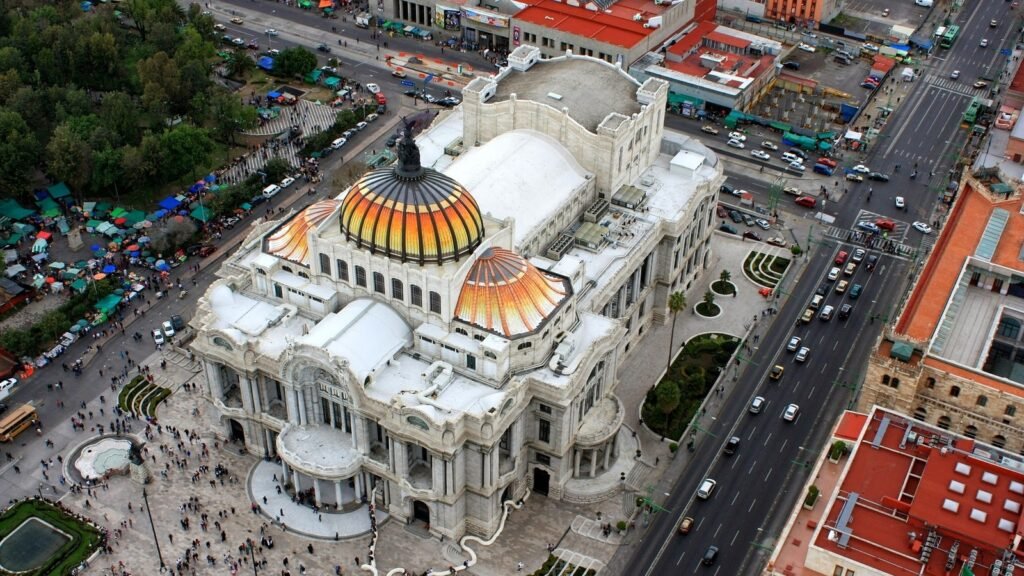
Mexico combines historic cities, archaeological sites, world-famous food, tropical beaches, desert landscapes and a remarkably diverse culture. This Mexico travel guide will help you decide where to go, when to visit, how long to stay and what to expect when planning your first trip.
For many travellers, Mexico is associated mainly with beach resorts, but the country offers much more. Mexico City, Oaxaca, Mérida, Guadalajara and colonial towns such as San Miguel de Allende can create an entirely different trip from Cancún, Puerto Vallarta or Los Cabos.
The key is deciding what type of Mexico experience you want before building your itinerary.
Is Mexico Right for Your Trip?
Mexico works particularly well for travellers interested in:
- beaches and warm weather
- food and regional cuisine
- history and archaeology
- colonial architecture
- art and museums
- resort vacations
- road trips
- nature and wildlife
- outdoor activities
- vibrant cities
It is also a destination that can work for very different budgets.
You can stay at an all-inclusive beachfront resort, book a boutique hotel in a historic neighbourhood or travel independently between cities using buses and domestic flights.
For a first visit, resist trying to combine too many distant regions. Mexico is a large country, and travelling between destinations such as Mexico City, Cancún and Los Cabos often requires flights rather than short transfers.
Best Time to Visit Mexico
November to April
For many destinations, this is the most popular period.
Much of Mexico experiences drier weather during these months, particularly in popular coastal areas. Temperatures are generally comfortable, although evenings can be cool at higher elevations.
This period is particularly attractive for:
- Mexico City
- the Yucatán Peninsula
- Puerto Vallarta
- Oaxaca
- Los Cabos
- central Mexico
Christmas, New Year, March break and Easter periods can be especially busy and expensive.
May to October
This is generally the wetter season across much of the country.
Rain does not necessarily mean continuous bad weather. In many places, mornings can be sunny followed by short but intense afternoon or evening showers.
Summer can also bring high temperatures and humidity to coastal regions.
Tropical storms and hurricanes can affect parts of Mexico during this period, so travellers visiting coastal areas should monitor weather forecasts and understand their hotel’s cancellation or evacuation policies.
Mexico City and Central Highlands
Because Mexico City sits at a high elevation, its climate is milder than many visitors expect.
Days can be warm while mornings and evenings are cooler.
Spring is particularly pleasant, although Mexico City can be enjoyable during much of the year.
Caribbean Coast
Cancún, Playa del Carmen, Tulum and nearby destinations are warm throughout the year.
Winter and early spring tend to provide some of the most comfortable conditions, but they are also among the busiest periods.
Where to Go in Mexico
Mexico has enough destinations for many separate trips.
Mexico City
Mexico City is one of the world’s great urban destinations and deserves at least four or five days.
Highlights include:
- the historic centre
- Zócalo
- Palacio de Bellas Artes
- National Museum of Anthropology
- Chapultepec Park
- Roma Norte
- Condesa
- Coyoacán
- Frida Kahlo Museum
- excellent restaurants and street food
The archaeological site of Teotihuacán is also an easy day trip.
For travellers interested in culture, museums and food, Mexico City is an excellent introduction to the country.
Cancún and the Riviera Maya
Cancún is one of Mexico’s largest resort destinations and a major gateway to the Caribbean coast.
Travellers looking for beaches and resorts can stay in Cancún itself, while Playa del Carmen provides a more walkable centre and convenient access to surrounding attractions.
Nearby experiences include:
- cenotes
- Cozumel
- Isla Mujeres
- Maya archaeological sites
- beaches
- snorkelling and diving
Tulum combines beaches with famous archaeological ruins but can be considerably more expensive than many visitors expect.
Yucatán
Travellers who want history and culture beyond the beach resorts should consider exploring the wider Yucatán Peninsula.
Mérida makes an excellent base.
From there, you can visit:
- Chichén Itzá
- cenotes
- Valladolid
- smaller Maya archaeological sites
- traditional towns and villages
The region works particularly well for travellers who want to combine cultural experiences with a few beach days.
Oaxaca
Oaxaca is one of Mexico’s strongest destinations for food, traditional crafts and indigenous culture.
The compact historic centre is easy to explore on foot.
Popular experiences include:
- local markets
- mezcal tastings
- mole dishes
- Monte Albán
- traditional villages
- artisan workshops
Oaxaca can comfortably fill three or four days.
Puerto Vallarta
Puerto Vallarta combines beaches with an established town centre, restaurants and nightlife.
Unlike some purpose-built resort areas, it retains a walkable historic district and easy access to local neighbourhoods.
It is particularly popular with travellers who want both a beach vacation and a town to explore.
Los Cabos
Los Cabos sits at the southern end of Baja California Sur.
Cabo San Lucas is known for resorts, nightlife and boat excursions, while nearby San José del Cabo has a quieter historic centre.
The region is known for:
- dramatic desert scenery
- beaches
- whale watching during the appropriate season
- fishing
- golf
- luxury resorts
San Miguel de Allende
San Miguel de Allende is known for colonial architecture, colourful streets, galleries and restaurants.
It works well as part of a central Mexico itinerary and is particularly popular with travellers who prefer smaller cities to large resorts.
Guadalajara
Guadalajara offers a strong combination of food, culture and history.
It is also a useful base for visiting nearby Tequila and exploring the state of Jalisco.
Mexico’s official tourism site is useful for comparing destinations and discovering places beyond the country’s best-known resorts.
How Many Days Do You Need?
For a first trip to Mexico, 7 to 14 days works well.
With one week, focus on one region.
Good combinations include:
- Mexico City and nearby day trips
- Cancún and the Riviera Maya
- Mérida, Valladolid and Chichén Itzá
- Puerto Vallarta and nearby coastal towns
- Oaxaca and surrounding villages
With 10 to 14 days, you can combine two regions more comfortably.
For example:
Mexico City + Oaxaca
or
Mexico City + Yucatán
or
Mérida + Valladolid + Riviera Maya
If the destinations are far apart, flying often makes more sense than spending an entire day travelling overland.
Getting Around Mexico
Transportation varies considerably depending on the region.
Domestic Flights
Domestic flights are useful because of Mexico’s size.
Flying can save substantial time when travelling between distant regions such as central Mexico, the Yucatán Peninsula and Baja California.
When booking, check baggage allowances carefully because low-cost airline fares may include very little luggage.
Long-Distance Buses
Mexico has an extensive intercity bus network.
Higher-end buses can be comfortable, with reserved seating, air conditioning and direct services between major destinations.
For medium-distance journeys, buses can sometimes be easier than flying once airport travel time is considered.
Rental Cars
Rental cars are useful in some regions, particularly when exploring areas where attractions are spread out.
However, driving is not necessary for every trip.
Mexico City, for example, is generally easier to explore using public transportation and rideshare services.
If renting a car, carefully review:
- insurance requirements
- toll roads
- fuel policies
- parking
- local driving conditions
Pay attention to the complete rental price because mandatory insurance and other charges can significantly affect the final cost.
Public Transportation
Mexico City has an extensive public transit system, including Metro and Metrobus services.
Other cities rely on combinations of buses, taxis and rideshare services.
In resort destinations, hotel transportation, taxis and organized transfers are common.
Costs and Budgeting
Mexico can range from relatively inexpensive to extremely expensive depending on where and how you travel.
Accommodation
Prices differ dramatically.
Mexico City and smaller inland destinations often offer excellent value, while beachfront resorts in places such as Los Cabos, Cancún and Tulum can be expensive.
Book early during:
- Christmas and New Year
- Easter
- March break
- major festivals
- peak winter travel periods
Food
Food can be one of the best-value parts of travelling in Mexico.
Street stalls, markets and family-run restaurants can provide excellent meals for relatively little money.
At the other end of the spectrum, Mexico City and major resort destinations have internationally recognized fine-dining restaurants.
Transportation
Local public transportation can be inexpensive.
Domestic flights and long-distance buses are also often reasonably priced when booked ahead.
Rental-car costs require more attention because insurance, toll roads, parking and fuel can add substantially to the advertised base rate.
Cash and Cards
Credit cards are widely accepted in hotels, larger restaurants and major businesses.
Cash remains useful for:
- markets
- small restaurants
- street food
- taxis in some areas
- tips
- smaller shops
Use ATMs located inside banks or established businesses when possible.
Food and Dining
Food alone can justify a trip to Mexico.
Mexican cuisine varies significantly by region, so don’t expect the same dishes everywhere.
Look for:
- tacos al pastor
- mole
- tamales
- pozole
- cochinita pibil
- birria
- ceviche
- chiles en nogada
- fresh tortillas
- regional seafood
- traditional salsas
Oaxaca, Mexico City, Puebla, Yucatán and Jalisco each have particularly strong regional food traditions.
Street food is an important part of the experience.
Choose busy stalls with high turnover and food that is cooked fresh in front of you.
When it comes to drinking water, travellers should generally rely on purified or bottled water unless they know the local supply and accommodation filtration are considered safe.
What to Know Before You Go
Entry Requirements for Canadians
Canadian citizens travelling on a regular passport currently do not require a tourist visa for stays of up to 180 days. Your passport must be valid for the expected duration of your stay. Mexican immigration authorities determine the actual period you are permitted to remain in the country.
Travellers entering by air may receive a passport stamp or use an electronic immigration kiosk. Depending on the method of entry, you may also need to obtain and keep your digital immigration record. Travellers entering by land may have different FMM requirements. Because immigration procedures can change, verify current requirements before departure.
Safety
The Government of Canada currently advises travellers to exercise a high degree of caution in Mexico due to high levels of criminal activity and kidnapping. It also maintains stronger regional advisories for specific parts of the country.
This makes destination-specific research especially important.
Conditions in a resort district or established tourist area may be very different from conditions elsewhere in the same state.
Before travelling:
- check the current Government of Canada advisory
- review advisories for your specific destination
- use established transportation
- avoid displaying valuables
- pay attention to local guidance
- avoid travelling through unfamiliar areas at night where possible
Do not assume that conditions are identical across the entire country.
Travel Insurance
Comprehensive travel medical insurance is strongly recommended.
Canadian provincial health insurance may provide little or no coverage for many expenses outside Canada.
Insurance should ideally cover:
- emergency medical treatment
- hospitalization
- evacuation
- trip interruption
- unexpected cancellations
Currency
Mexico’s currency is the Mexican peso.
In major tourist areas, prices may sometimes be quoted in U.S. dollars, but paying in pesos often provides a clearer exchange rate.
When a credit-card terminal or ATM offers to convert the transaction into Canadian dollars, check the exchange rate carefully before accepting.
Tipping
Tipping is common in tourist areas and restaurants.
Around 10% to 15% is common for table-service restaurants when a service charge has not already been included, although travellers may choose more for particularly good service.
Check the bill before adding a tip.
Electricity
Mexico generally uses the same basic electrical plug types and voltage range as Canada and the United States.
Most Canadian travellers therefore do not need a plug adapter for ordinary electronics.
Language
Spanish is Mexico’s main language.
English is widely spoken in major resort areas, but much less consistently elsewhere.
Learning a few basic Spanish phrases can make independent travel considerably easier.
Suggested First-Time Mexico Itinerary
For travellers who want more than a resort vacation, a 10-day Mexico City and Yucatán itinerary provides an excellent mix of culture, food, history and beaches.
Days 1–4: Mexico City
Spend four days exploring the capital.
Include:
- historic centre
- Chapultepec Park
- National Museum of Anthropology
- Roma and Condesa
- Coyoacán
- local markets
- Mexican food experiences
Use one day for Teotihuacán if ancient history interests you.
Day 5: Fly to Mérida
Fly from Mexico City to Mérida and spend the evening exploring the historic centre.
Days 6–7: Mérida
Use Mérida as a base for regional food, historic neighbourhoods and nearby archaeological sites or cenotes.
Day 8: Valladolid and Chichén Itzá
Travel toward Valladolid and visit Chichén Itzá.
Spend the night in Valladolid or continue toward the Caribbean coast depending on your pace.
Days 9–10: Riviera Maya
Finish with two days near the Caribbean.
Choose Playa del Carmen, Isla Mujeres or another coastal base depending on whether you prefer beaches, restaurants, snorkelling or a resort stay.
For a more relaxed trip, add several extra beach days rather than trying to fit additional destinations into the itinerary.
Final Thoughts
Mexico rewards travellers who look beyond a single resort.
Its cities, food, archaeological sites, beaches and regional cultures can create completely different trips depending on where you go.
The best first visit usually concentrates on one or two regions rather than trying to see the entire country.
Use this Mexico travel guide as a starting point, then adjust the itinerary around your interests, travel style and comfort level.
If you’re comparing North American destinations, you may also want to read our United States travel guide and Canada travel guide.
Explore more destination guides on TravelingInformed.