
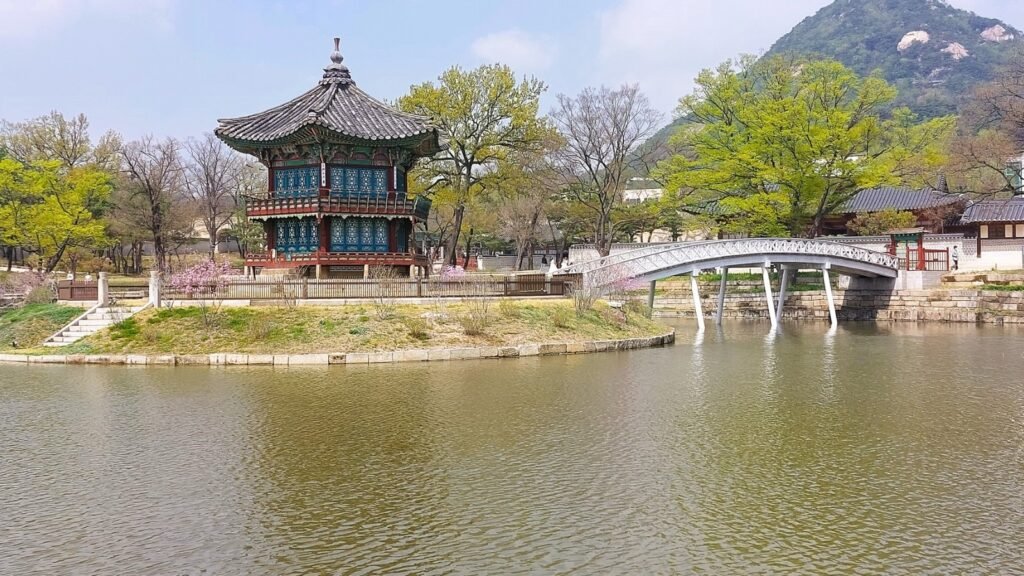
This South Korea travel guide is designed to help you decide where to go, when to visit, and how to build a realistic first-time itinerary.
South Korea combines huge modern cities, royal palaces, traditional neighbourhoods, mountain scenery, coastal destinations, islands, food markets, temples, and an efficient transportation network within a relatively compact country.
The biggest planning challenge is usually deciding how much to include. Seoul, Busan, Gyeongju, Jeju Island, Gangwon Province, and smaller historic cities can all fit into different types of trips, but trying to cover too many regions in one short visit can still feel rushed.
For a first visit, choosing Seoul plus one or two additional regions usually creates the best balance.
Is South Korea Right for Your Trip?
South Korea is a strong choice for travelers who want a combination of cities, history, food, technology, shopping, culture, mountains, and coastal scenery.
Seoul gives you the strongest introduction to the country, with modern districts, royal palaces, traditional hanok neighbourhoods, markets, museums, restaurants, nightlife, and extensive public transportation. Korea Tourism Organization materials highlight Seoul’s five royal palaces as major cultural attractions.
Busan offers a different experience, combining beaches, markets, coastal scenery, temples, nightlife, and a large-city atmosphere beside the sea. VisitKorea describes Busan as a major coastal destination where urban life and the sea come together.
Jeju Island works well for travelers who want nature, beaches, volcanic landscapes, hiking, and a slower pace. VisitKorea identifies Jeju as Korea’s largest tourist destination, with Hallasan Mountain, numerous beaches, and extensive walking trails.
For most first-time visitors, Seoul + Busan + Jeju or Gyeongju creates a varied and manageable introduction.
Best Time to Visit South Korea
South Korea has four distinct seasons, and the experience changes substantially throughout the year. VisitKorea describes spring and autumn as generally mild, summer as hot and humid, and winter as cold and dry.
Spring is one of the easiest seasons for sightseeing. March through May brings milder temperatures and flowering trees, including cherry blossoms and other spring blooms.
Summer works well for beaches, festivals, and coastal travel, but much of the country becomes hot and humid. The rainy season often overlaps late June and July, and typhoons can occur between June and October.
Autumn is another strong choice for a first trip. Temperatures are generally comfortable, and fall foliage, festivals, food, and outdoor activities make September through November especially appealing.
Winter can work well for snow scenery, skiing, hot springs, and travelers who enjoy colder-weather city trips. Seoul and inland regions can become quite cold, while Busan and Jeju are generally milder.
For a classic first trip built around Seoul, Busan, and Gyeongju or Jeju, spring and autumn are usually the easiest seasons to recommend.
Where to Go in South Korea
South Korea is easier to plan when you choose destinations that give you different types of experiences rather than simply adding more cities.
Seoul is the natural starting point for most first-time visitors. It combines palaces, traditional districts, markets, museums, shopping, nightlife, food, and some of the country’s best transportation connections.
Busan is the strongest second-city option for travelers who want beaches, seafood, coastal scenery, traditional markets, temples, and a more relaxed atmosphere than Seoul.
Gyeongju is a good addition for travelers interested in Korean history and archaeology. It offers a much quieter experience than Seoul or Busan and works well as part of a southeastern Korea itinerary.
Jeju Island provides the biggest contrast with the mainland. Hallasan Mountain, volcanic terrain, beaches, coastal walks, and the island’s extensive Olle Trail network make it suitable for a nature-focused extension.
Travelers interested in mountain scenery and outdoor activities can also explore Gangwon Province, while smaller cities and rural areas provide a more traditional side of the country.
For most first-time visitors, Seoul + Busan + Gyeongju or Jeju creates a strong introduction.
How Many Days Do You Need?
South Korea is compact compared with countries such as Canada or France, but moving between regions still takes time.
A practical starting point is:
- 7 days: Seoul + one additional city or region
- 10 days: Seoul + Busan + Gyeongju
- 14 days: Seoul + Busan + Gyeongju + Jeju or another regional stop
A 10-day trip is enough to experience Seoul properly while still adding a second city and one slower historical or regional destination.
For a first visit, I would avoid trying to combine Seoul, Busan, Jeju, Gangwon, several smaller cities, and multiple day trips all at once.
The goal is not to see the entire country. It is to give yourself enough time to experience the contrast between modern urban Korea, historic destinations, and regional landscapes.
Getting Around South Korea
South Korea is relatively easy to travel through because major cities are connected by high-speed rail, intercity buses, domestic flights, and extensive local transit systems.
For long-distance travel, KTX high-speed trains are one of the easiest ways to move between major cities such as Seoul, Busan, Daejeon, Daegu, and Gyeongju-area connections. Korea Tourism Organization materials also list KTX, SRT, express buses, intercity buses, and airport rail as major transportation options for international visitors.
Within cities, subways and buses handle most sightseeing. A reloadable Tmoney card is especially useful because it can be used across public transportation systems and at participating stores throughout the country. VisitKorea currently lists Tmoney and EZL among the main prepaid transportation cards available to tourists.
A rental car is usually unnecessary in Seoul or Busan, but it can become useful on Jeju Island or for rural and mountain-focused itineraries.
For most first trips, the simplest approach is public transportation within cities, KTX or intercity transport between major destinations, and a rental car only when your route genuinely benefits from one.
Costs and Budgeting
South Korea can work for a range of travel budgets, with costs depending heavily on accommodation, transportation, dining choices, shopping, and how frequently you move between destinations.
A practical way to control spending is to focus on three areas:
- Accommodation: Seoul and popular destinations can become more expensive during busy periods, so booking earlier gives you more choice.
- Transportation: KTX is fast and convenient, while buses can sometimes provide a less expensive alternative for intercity travel.
- Meals: combine restaurants with food markets, casual noodle shops, street food, cafés, and neighbourhood establishments.
Travelers should also budget separately for palace and museum admissions, local transit, airport transportation, attractions, shopping, and occasional taxis.
South Korea is also a destination where convenience stores, food courts, markets, and casual restaurants can make it relatively easy to manage meal costs without sacrificing variety.
As with our other cornerstone guides, I would avoid putting a fixed “South Korea costs ₩X per day” figure here. Seoul, Jeju, Busan, accommodation styles, and individual travel habits can create very different budgets.
Food and Dining
Food is one of the strongest reasons to travel around South Korea because cuisine varies significantly by region. Korea Tourism Organization describes Korean food as shaped by the country’s geography, seasons, and local traditions, with individual regions developing their own specialties.
Seoul gives travelers access to food from across the country, from traditional markets and barbecue restaurants to modern cafés and fine dining. Busan is especially associated with seafood and dishes such as pork-and-rice soup, while other regions have their own distinctive specialties. VisitKorea’s current regional food program highlights dozens of local dishes from across the country.
A few practical habits can improve the experience:
- Look for regional specialties rather than ordering the same dishes everywhere.
- Try traditional markets, street-food areas, barbecue restaurants, noodle shops, and neighbourhood establishments.
- Expect meals to include multiple banchan, or side dishes, rather than one standalone plate.
- Be willing to try unfamiliar dishes, but check ingredients in advance if you have allergies or dietary restrictions.
Korean food goes far beyond barbecue, bibimbap, and kimchi. Soups, stews, noodles, seafood, fermented foods, street snacks, regional dishes, traditional drinks, and modern Korean cuisine all form part of the experience.
What to Know Before You Go
A little preparation can make a first trip to South Korea much easier.
Entry requirements: Canadian citizens traveling on a regular passport do not currently need a tourist visa for visits of up to 180 days. Canadians are also temporarily exempt from the Korea Electronic Travel Authorization (K-ETA) requirement until December 31, 2026. Entry rules can change, so travelers should verify them again before departure.
An arrival declaration is required. Travelers must complete an entry declaration, either electronically up to three days before arrival or on paper when they arrive. The official e-Arrival Card service is free; travelers should avoid third-party sites charging unnecessary fees.
Transportation cards make city travel easier. A Tmoney or similar prepaid card can simplify subway and bus travel, particularly in Seoul and other large cities.
Carry some cash. Cards are common, but cash remains useful for transit-card loading, smaller markets, and some local businesses. Government of Canada guidance also notes that international-card ATM availability can vary.
Driving requires additional documentation. Canadian travelers must carry an International Driving Permit or a South Korean driver’s licence if they plan to drive.
The practical lesson is simple: South Korea becomes much easier once you understand the entry process, transportation cards, rail system, and local payment habits.
Suggested First-Time South Korea Itinerary
For travelers with around 10 days, Seoul, Gyeongju, and Busan create a strong first-time route that combines modern city life, Korean history, food, and coastal scenery.
Days 1–4: Seoul
Begin in Seoul and give yourself enough time to explore royal palaces, traditional neighbourhoods, markets, museums, modern shopping districts, cafés, nightlife, and the Han River. Rather than trying to see the entire city at once, group sightseeing by neighbourhood.
Days 5–6: Gyeongju
Travel south to Gyeongju for a quieter historical experience. Spend time exploring archaeological sites, traditional areas, temples, and cultural landmarks before continuing to Busan.
Days 7–10: Busan
Finish in Busan with beaches, coastal scenery, markets, seafood, temples, and neighbourhood exploration. Busan provides a very different atmosphere from Seoul while still offering the convenience of a major city.
VisitKorea’s current travel planner includes itineraries combining Seoul, Gyeongju, and Busan, reinforcing how naturally these three destinations can work together in a first-time route.
If you have 14 days, consider adding Jeju Island, Sokcho, Gangwon Province, or another regional destination rather than simply adding more cities.
Travelers who want more nature and less city time could instead build a route around Seoul + Jeju + Busan.
The best South Korea itinerary is not the one that covers the most destinations. It is the one that gives you enough time to experience the contrast between modern cities, historic Korea, and regional landscapes.
Final Thoughts
South Korea offers enough variety that a first trip should be treated as an introduction rather than an attempt to see the entire country.
For a first visit, focus on Seoul and one or two destinations that offer something genuinely different. Busan provides a coastal contrast, Gyeongju adds history and archaeology, while Jeju Island can easily justify a longer extension or future trip of its own.
Use this South Korea travel guide as a starting point, then adjust the route to match your time, interests, and travel style.
If you’re comparing Asian destinations, you may also want to read our Japan travel guide.
Explore more destination guides on TravelingInformed.