
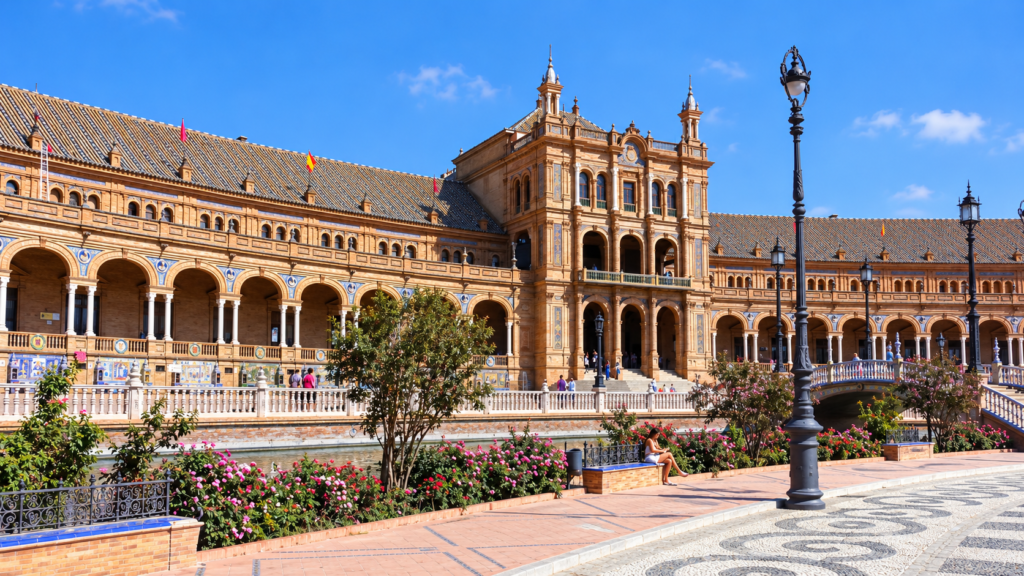
This Spain travel guide is designed to help you decide where to go, when to visit, and how to build a realistic first-time itinerary.
Spain combines major cities, Mediterranean beaches, Atlantic coastline, historic towns, mountain regions, islands, food, art, and very distinct regional cultures. Madrid and Barcelona are obvious first stops, but Andalusia, Valencia, the Basque Country, Galicia, the Balearic Islands, and the Canary Islands all offer very different experiences.
The biggest planning challenge is usually deciding how much to include. Spain is large enough that trying to cover Madrid, Barcelona, Seville, Granada, Valencia, the islands, and the north in one short trip can quickly become rushed.
For a first visit, choosing two or three main regions or cities usually creates a much better balance.
Is Spain Right for Your Trip?
Spain is a strong choice for travelers who want a combination of cities, culture, food, beaches, history, architecture, and regional variety.
Madrid works well for museums, neighbourhoods, food, and nightlife, while Barcelona adds Mediterranean scenery, beaches, and distinctive architecture. Seville, Granada, and Córdoba offer a very different southern experience shaped by Andalusian history, monuments, flamenco, and tapas culture. Spain’s official tourism site highlights cities such as Madrid, Barcelona, Seville, Málaga, and Bilbao as major urban destinations.
Spain also suits travelers who want to go beyond the biggest cities. Coastal regions, mountain areas, wine regions, islands, and smaller historic towns can all become the focus of a trip.
For most first-time visitors, Madrid + Barcelona + one additional region is a practical starting point.
Best Time to Visit Spain
Spain can be visited year-round, but conditions vary significantly by season and region. The country’s official tourism site describes spring and autumn as particularly suitable for cultural routes, towns, villages, and nature, while summer is especially associated with beaches, festivals, and outdoor activities. Winter works well for city trips and winter sports.
Spring is one of the easiest times for a first visit. Temperatures are generally milder, and it works especially well for city sightseeing, Andalusia, countryside trips, and walking-heavy itineraries.
Summer is ideal for beach-focused trips, islands, festivals, and coastal areas, but inland cities such as Madrid and Seville can become very hot.
Autumn is another strong choice for general sightseeing, food and wine travel, and city-focused itineraries after the hottest part of the year.
Winter can still work well for Madrid, Barcelona, Seville, and other cities, while the Pyrenees and Sierra Nevada support winter sports. The Canary Islands are also a very different winter option because of their milder climate.
For a classic first trip built around Madrid, Barcelona, and Andalusia, spring and autumn are generally the easiest seasons to recommend.
Where to Go in Spain
Spain is easier to plan when you think in terms of regions and travel styles rather than trying to see every famous city at once.
Madrid is a strong starting point for museums, historic neighbourhoods, parks, food, and nightlife. Its central location also makes it useful for day trips and onward rail travel.
Barcelona combines architecture, historic districts, markets, museums, Mediterranean coastline, and beaches. It works especially well for travelers who want a city trip with a coastal element.
Andalusia offers one of Spain’s strongest regional experiences. Seville, Granada, Córdoba, and Málaga combine monumental architecture, historic centres, flamenco, tapas, beaches, and very different landscapes. Spain’s official tourism site highlights UNESCO-listed sites such as the Alhambra, Seville Cathedral and Alcázar, and Córdoba’s historic centre.
Valencia is a good alternative for travelers who want a smaller Mediterranean city with beaches, food, and modern architecture.
Northern Spain offers a different experience again, with Bilbao, San Sebastián, Galicia, Asturias, and Cantabria appealing to travelers interested in food, coastal scenery, cooler climates, and greener landscapes.
For island travel, the Balearic Islands and Canary Islands are substantial destinations in their own right rather than simple add-ons to a short mainland itinerary.
For most first trips, Madrid + Barcelona + Andalusia creates a strong introduction to the country.
How Many Days Do You Need?
Spain rewards having enough time to slow down because travel between regions still takes time even with its extensive high-speed rail network.
A practical starting point is:
- 7 days: Madrid + Barcelona
- 10 days: Madrid + Barcelona + Seville
- 14 days: Madrid + Barcelona + Seville + Granada, Córdoba, Valencia, or another regional stop
Spain’s official tourism site notes that high-speed rail makes major intercity travel relatively efficient, including Madrid–Barcelona in roughly two and a half hours and Madrid–Valencia in under two hours.
For a first visit, I would avoid trying to combine mainland Spain, the Balearic Islands, and the Canary Islands in one short trip. The islands are better treated as separate trips or substantial extensions.
The goal is not to collect the most cities. It is to choose a route that leaves enough time to enjoy each destination.
Getting Around Spain
For most first-time visitors, trains are one of the easiest ways to travel between Spain’s major cities. The country’s high-speed rail network connects Madrid with destinations such as Barcelona, Valencia, Seville, Málaga, Córdoba, Alicante, and other cities, making rail especially practical for a city-focused itinerary.
Within major cities, metro, bus, tram, and suburban rail systems usually cover most sightseeing needs. Madrid and Barcelona have particularly extensive public transportation networks, while cities such as Seville, Valencia, Bilbao, and Málaga also have useful local transit.
A rental car becomes more valuable when you want to explore smaller towns, rural areas, coastal routes, wine regions, or parts of northern Spain and Andalusia that are less convenient by rail.
For a classic Madrid–Barcelona–Seville itinerary, however, a car is usually unnecessary. High-speed rail between cities combined with local public transportation keeps the trip simpler and avoids parking and city-driving issues.
For most first trips, the simplest approach is rail between major cities and public transportation within them.
Costs and Budgeting
Spain can accommodate different travel budgets, but costs vary considerably by city, season, accommodation style, transportation, and how frequently you move between destinations.
A practical way to control spending is to focus on three areas:
- Accommodation: book earlier for Madrid, Barcelona, Seville, the islands, and popular coastal areas during busy periods.
- Transportation: high-speed rail can save substantial time, but comparing fares and booking ahead can be worthwhile on popular routes.
- Meals: combine sit-down restaurants with cafés, markets, bakeries, tapas bars, and casual neighbourhood establishments.
Travelers should also budget separately for museum tickets, major attractions, local transportation, airport transfers, parking or tolls if driving, and occasional taxis or ride services.
As with our other cornerstone guides, I would avoid putting a fixed “Spain costs €X per day” figure here. Prices vary too much between Barcelona, Madrid, Andalusia, northern Spain, and the islands, and specific daily-budget figures become outdated quickly.
One of the easiest ways to control both cost and travel time is to avoid adding too many destinations to a short itinerary.
Food and Dining
Spanish cuisine is highly regional, so food becomes much more interesting when you eat according to where you are traveling rather than searching for the same familiar dishes everywhere.
Valencia is closely associated with paella and other rice dishes, while the Basque Country is particularly known for pintxos and a strong restaurant culture. Galicia is famous for seafood, and Andalusia offers its own tapas traditions and dishes influenced by the climate and ingredients of southern Spain.
Madrid and Barcelona give travelers access to food from across the country, but smaller cities and regions often provide the clearest introduction to local specialties.
A few practical habits can improve the experience:
- Look for regional dishes wherever you are staying.
- Try markets, tapas bars, bakeries, neighbourhood restaurants, and casual cafés.
- Do not assume every good meal needs to be formal or expensive.
- Leave room in the itinerary for meals rather than squeezing them between attractions.
Olive oil, Iberian ham, seafood, regional cheeses, wines, tapas, rice dishes, and local specialties all contribute to Spain’s food culture. Spain’s official tourism organization specifically emphasizes the country’s wide range of regional cuisines rather than treating Spanish food as one uniform style.
What to Know Before You Go
A little preparation can make a first trip to Spain much easier.
Entry requirements: Spain is part of the Schengen area. Canadian citizens traveling on a regular passport do not currently need a tourist visa for stays of up to 90 days in any 180-day period. Entry rules can change, so travelers should verify the current requirements before departure.
European border procedures are changing. The EU’s Entry/Exit System (EES) has been fully operational since April 2026 and records digital border-entry information for many non-EU travelers. ETIAS is not yet operating as of September 2026; the European Commission currently expects it to begin later in 2026.
Cards are widely accepted, but carrying some cash is still useful. Spain’s official tourism site notes that Visa and Mastercard are widely accepted, although some smaller establishments may have minimum card-purchase amounts.
Tipping is not mandatory. Service is generally included, although leaving a small tip is common in restaurants, hotels, bars, and taxis when service is good. Spain’s official tourism guidance says tips commonly fall around 5–10% when travelers choose to leave one.
Driving requires some attention in cities. Many Spanish cities have regulated parking, restricted-access historic centres, or low-emission traffic rules. Spain also has some toll roads, although most roads are toll-free.
The practical lesson is simple: Spain is easy to travel through once you understand the entry rules, payment habits, transportation options, and local driving restrictions.
Suggested First-Time Canada Itinerary
For travelers with around 10 days, Madrid, Barcelona, and Seville create a strong first-time route that combines major cities, art, architecture, food, and very different regional experiences.
Days 1–3: Madrid
Begin in Madrid and spend several days exploring museums, historic neighbourhoods, parks, markets, food, and nightlife. One day can also be used for an excursion to Toledo or another nearby destination.
Days 4–6: Barcelona
Travel to Barcelona by high-speed train and spend several days exploring its architecture, historic districts, markets, museums, waterfront, and beaches.
Days 7–10: Seville
Continue to Seville for a distinctly Andalusian finish to the trip. Explore the historic centre, major monuments, neighbourhoods, tapas culture, and flamenco traditions.
If you have 14 days, consider adding Granada, Córdoba, Valencia, or another regional stop rather than simply adding more major cities.
Travelers who are more interested in beaches than city touring could instead build a route around Barcelona + Valencia + the Balearic Islands, while northern Spain deserves a separate itinerary of its own.
The best Spain itinerary is not the one that checks off the most cities. It is the one that gives you enough time to experience the differences between them.
Final Thoughts
Spain is one of those countries that rewards repeat visits because each region can feel like a different trip.
For a first visit, focus on a small number of destinations and leave enough time to experience each one properly. Madrid, Barcelona, and Andalusia provide a strong introduction, while northern Spain, Valencia, the islands, and other regions can easily justify future trips of their own.
Use this Spain travel guide as a starting point, then adjust the route to match your time, interests, and travel style.
If you’re comparing Southern European destinations, you may also want to read our Portugal travel guide and Italy travel guide.
Explore more destination guides on TravelingInformed.