
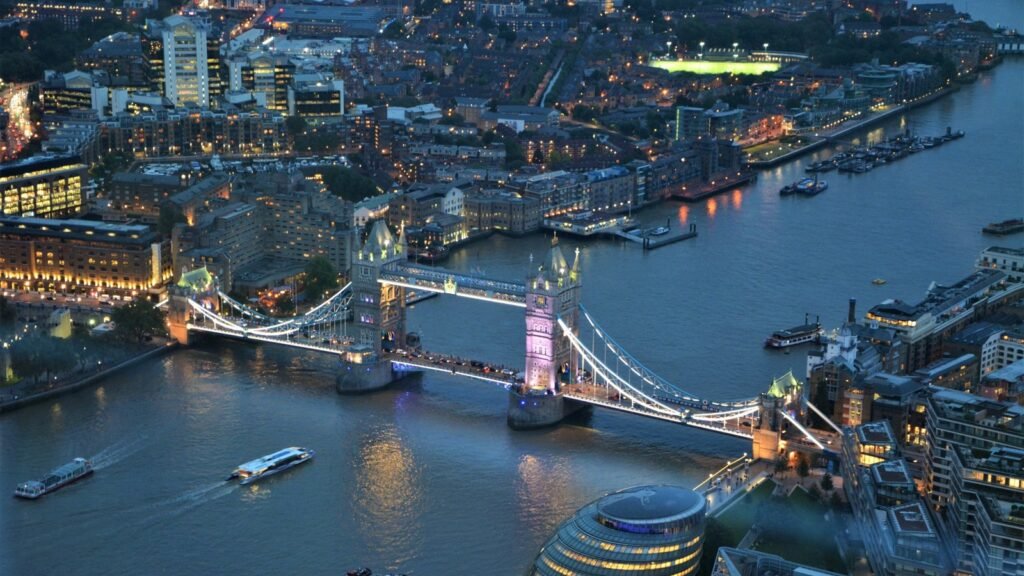
The United Kingdom combines historic cities, dramatic coastlines, castles, countryside, museums, traditional villages and some of Europe’s most recognizable landmarks. This United Kingdom travel guide will help you decide where to go, when to visit, how long to stay and what to expect when planning your first trip.
The United Kingdom is made up of England, Scotland, Wales and Northern Ireland. Each has its own character, landscapes and regional traditions, so a trip can feel very different depending on which parts of the country you choose to explore.
For a first visit, London is an obvious starting point, but some of the most memorable experiences come from combining the capital with smaller cities, countryside or another UK nation.
Is the United Kingdom Right for Your Trip?
The United Kingdom works particularly well for travellers interested in:
- history and historic architecture
- castles and palaces
- museums and galleries
- scenic train journeys
- traditional towns and villages
- theatre and music
- countryside and hiking
- coastal scenery
- food and pubs
- literary, film and television locations
It is also one of Europe’s easier destinations to explore without renting a car. London and many major cities are connected by rail, while extensive local transit systems make urban sightseeing straightforward.
Travellers who enjoy combining cities with rural scenery can move from London to places such as Bath, York, the Cotswolds, Edinburgh, the Scottish Highlands, Snowdonia or Northern Ireland without needing to cover enormous distances.
The biggest challenge is deciding how much to include. Trying to see London, Scotland, Wales and Northern Ireland in one short trip can create more transportation than sightseeing.
Best Time to Visit the United Kingdom
The United Kingdom can be visited year-round, but weather is famously changeable. Even during summer, it is wise to carry a light waterproof layer and expect a mixture of sunshine, clouds and occasional rain.
Spring
April and May can be excellent months for sightseeing.
Gardens and countryside begin turning green, daylight hours increase and major destinations are generally less crowded than during the peak summer season.
Temperatures can still be cool, particularly in Scotland and northern England, so layers are useful.
Summer
June through August brings the longest days and generally the warmest weather.
Summer is particularly attractive for:
- Scotland and the Highlands
- Wales
- coastal destinations
- countryside walks
- festivals
- outdoor attractions
- longer sightseeing days
It is also the busiest travel period. London, Edinburgh, Bath, York and major attractions can become crowded, while hotel rates often rise.
Edinburgh becomes especially busy during its major August festivals, so accommodation should be booked well ahead.
Autumn
September and early October can provide an excellent balance of manageable crowds, comfortable temperatures and attractive countryside.
Later autumn brings shorter days and more unsettled weather, but cities remain easy to visit and accommodation can become more affordable outside major events.
Winter
Winter brings short daylight hours and colder weather, particularly in Scotland and northern England.
However, London, Edinburgh and other cities can be atmospheric during the Christmas season, with markets, lights and seasonal events.
January and February can offer lower hotel prices, although some rural attractions operate reduced hours.
Where to Go in the United Kingdom
London
London deserves at least four or five days on a first trip.
Major sights include:
- Westminster and Big Ben
- Buckingham Palace
- Tower of London
- Tower Bridge
- British Museum
- National Gallery
- St Paul’s Cathedral
- Borough Market
- Covent Garden
- Hyde Park
One of London’s advantages is that many major museums have free general admission, although special exhibitions may require tickets.
Leave time to explore neighbourhoods rather than spending every day moving between famous landmarks. Areas such as Notting Hill, South Bank, Greenwich, Chelsea and Camden offer very different sides of the city.
Bath
Bath is one of England’s most attractive smaller cities and is easily reached from London by train.
The city is known for its Roman Baths, Georgian architecture, Bath Abbey and association with Jane Austen.
Bath works well as either a day trip or an overnight stop and can also serve as a gateway to parts of southwest England.
The Cotswolds
The Cotswolds are known for rolling countryside, stone cottages and traditional English villages.
Popular stops include Bourton-on-the-Water, Stow-on-the-Wold, Broadway and Castle Combe.
A car provides the most flexibility, although guided day trips are available from London, Bath and Oxford.
Oxford and Cambridge
Oxford and Cambridge are famous university cities filled with historic colleges, libraries and architecture.
Both can be visited as day trips from London, although staying overnight allows you to experience them after the largest groups of day visitors have left.
York
York is one of England’s strongest historic-city destinations.
Highlights include York Minster, medieval city walls, the Shambles and the National Railway Museum.
Its location on the main railway line between London and Edinburgh also makes York an excellent stop when travelling north toward Scotland.
Edinburgh
Edinburgh is one of the United Kingdom’s most distinctive cities.
Its historic centre combines medieval streets, Georgian architecture, viewpoints and Edinburgh Castle.
Allow at least two or three full days for:
- Edinburgh Castle
- Royal Mile
- Holyrood Palace
- Arthur’s Seat
- Old Town
- New Town
- museums and galleries
Edinburgh also makes a useful starting point for exploring more of Scotland.
The Scottish Highlands
The Scottish Highlands offer mountains, lochs, castles and some of Britain’s most dramatic landscapes.
Popular areas include:
- Glencoe
- Loch Ness
- Fort William
- Cairngorms National Park
- Isle of Skye
Travellers can explore independently by car or use organized tours from Edinburgh, Glasgow and Inverness.
Driving gives the greatest flexibility, but roads in remote areas can be narrow and travel times are often longer than they appear on a map.
Wales
Wales combines castles, mountains, coastal scenery and attractive smaller towns.
Cardiff provides an easy urban introduction, while Eryri National Park, also known as Snowdonia, and the Pembrokeshire coast appeal to travellers interested in outdoor activities and scenery.
A rental car is especially useful for rural Wales.
Northern Ireland
Northern Ireland is geographically separate from Great Britain but forms part of the United Kingdom.
Belfast is the main gateway and offers attractions such as Titanic Belfast, historic neighbourhoods and a growing food scene.
Beyond Belfast, the Causeway Coastal Route includes some of Northern Ireland’s best-known landscapes, including the Giant’s Causeway.
The UK’s official tourism site is a useful resource for comparing destinations throughout England, Scotland, Wales and Northern Ireland.
How Many Days Do You Need?
For a first trip to the United Kingdom, 10 to 14 days is an excellent target.
With one week, concentrate on London plus one additional region.
Good one-week combinations include:
- London and Bath
- London and the Cotswolds
- London and York
- London and Edinburgh
With 10 to 14 days, you can comfortably combine London with several destinations while still allowing enough time to experience each place.
A classic route might include London, Bath, York and Edinburgh.
If Scotland, Wales or Northern Ireland is your main priority, consider reducing the number of English destinations rather than trying to include everything.
Getting Around the United Kingdom
Trains
Rail travel is one of the easiest ways to move between major UK cities.
London, Bath, Oxford, York, Manchester, Liverpool, Edinburgh and Glasgow are all connected by regular train services.
Long-distance tickets can be significantly cheaper when purchased in advance, particularly when travelling at popular times.
When comparing transportation, remember that trains usually take you directly from one city centre to another, avoiding airport transfers and security lines.
London Transportation
London has an extensive public transportation network consisting of the Underground, buses, trains and other services.
Contactless credit cards and compatible mobile-payment systems can be used for many journeys, making it unnecessary for many visitors to purchase individual tickets.
Walking is also one of the best ways to experience central London, since many landmarks are closer together than the Underground map suggests.
Domestic Flights
Flights can make sense for longer journeys, particularly when travelling between southern England and destinations such as Northern Ireland or northern Scotland.
However, rail is often more convenient for shorter routes such as London to York or London to Edinburgh once airport travel time is considered.
Rental Cars
A rental car is unnecessary in London and can become an expensive inconvenience because of traffic, parking and urban driving restrictions.
Cars become much more useful when exploring:
- Scottish Highlands
- Cotswolds
- rural Wales
- Lake District
- Cornwall
- Northern Ireland countryside
Remember that vehicles drive on the left side of the road and many rural roads are narrower than those commonly encountered in Canada.
Costs and Budgeting
The United Kingdom is not generally considered a low-cost destination, and London in particular can be expensive.
Accommodation
Hotels will often be one of the largest expenses.
Prices rise during summer, major sporting events, festivals and holiday periods.
Staying slightly outside the most central neighbourhoods can reduce costs as long as the property remains close to good public transportation.
Attractions
Many major national museums in London and elsewhere offer free general admission, which can significantly reduce sightseeing costs.
Other major attractions such as castles, palaces, historic houses and observation decks can be expensive.
Book timed-entry tickets in advance for attractions that are especially important to you.
Transportation
Train fares can vary substantially depending on when you book.
Advance tickets and off-peak travel can provide substantial savings compared with purchasing flexible tickets shortly before departure.
For travellers taking several longer rail journeys, compare individual advance fares with available rail passes before deciding which is better value.
Food and Dining
British food has changed considerably from the stereotypes that still surround it.
Traditional dishes worth trying include:
- fish and chips
- Sunday roast
- steak and ale pie
- shepherd’s pie
- full English breakfast
- Cornish pasties
- afternoon tea
- Scottish haggis
- Welsh rarebit
London, Manchester, Birmingham, Glasgow and other large cities also have exceptionally diverse international food scenes.
Indian cuisine is particularly important to modern British food culture, and a good curry is as much a part of the contemporary dining experience as many traditional dishes.
Pubs remain an important part of British social culture and often serve substantial meals in addition to drinks.
For value, look beyond major tourist streets and consider neighbourhood restaurants, markets, pubs and casual cafés.
What to Know Before You Go
Entry Requirements for Canadians
Canadian citizens travelling on a regular passport normally do not require a tourist visa for visits to the United Kingdom of up to six months.
However, Canadian travellers generally need an Electronic Travel Authorisation, known as an ETA, before travelling to the United Kingdom unless they qualify for an exemption.
The ETA is electronically linked to the passport used in the application, so you must travel using that same passport.
Entry requirements can change, so verify current requirements before departure.
United Kingdom ETA
The UK Electronic Travel Authorisation is not a visa. It provides permission to travel to the United Kingdom but does not guarantee admission at the border.
The ETA can normally be used for visits of up to six months and is generally valid for multiple journeys during its validity period.
Apply only through the official UK government service or official UK ETA app, since third-party websites may charge additional fees.
Safety
The United Kingdom is generally straightforward for experienced travellers, but normal precautions still apply in crowded cities, transportation hubs and major tourist areas.
Pickpocketing and theft can occur, particularly in busy areas, so keep phones, wallets and bags secure.
The Government of Canada currently advises Canadians to exercise a high degree of caution in the United Kingdom because of the threat of terrorism. Travellers should monitor official advice and follow instructions from local authorities.
Currency
The currency is the British pound sterling, usually shown as GBP or £.
Credit and debit cards are widely accepted, and contactless payment is common.
Carrying a small amount of cash can still be useful, particularly in smaller businesses or rural areas.
Tipping
Tipping practices are less extensive than in Canada or the United States.
Many restaurants add a discretionary service charge, commonly around 10% to 15%, especially in London and larger cities.
Always check the bill before adding an additional tip.
If no service charge has been added, approximately 10% is reasonable for good table service, but tipping is generally not expected for counter service.
Electricity
The United Kingdom uses Type G electrical plugs with three rectangular pins and operates at approximately 230 volts.
Canadian travellers need a UK plug adapter.
Most modern phone, tablet and laptop chargers support both Canadian and UK voltage, but always check the voltage information printed on the device before plugging it in.
Driving
Traffic drives on the left side of the road.
Roundabouts are common, and many rural roads can be considerably narrower than roads in Canada.
If you plan to rent a car, an automatic transmission may be easier if you are unfamiliar with both left-side driving and shifting gears with your left hand.
Suggested First-Time United Kingdom Itinerary
For a first visit, a 12-day London, Bath, York and Edinburgh itinerary provides an excellent introduction without excessive travel.
Days 1–5: London
Spend five days exploring London.
Include:
- Westminster
- Tower of London
- British Museum
- Buckingham Palace area
- South Bank
- Borough Market
- one or two neighbourhoods beyond the major tourist sights
Five days also gives you flexibility for a day trip to Windsor, Oxford or another nearby destination if you wish.
Days 6–7: Bath
Take the train from London to Bath.
Spend two days exploring the Roman Baths, Georgian centre and surrounding historic streets.
If the Cotswolds are a priority, consider using part of your second day for a guided countryside excursion.
Days 8–9: York
Continue north to York.
Explore York Minster, the city walls, the Shambles and historic centre.
An overnight stay allows you to experience the city when many day visitors have left.
Days 10–12: Edinburgh
Travel by train from York to Edinburgh.
Spend your final three days exploring Edinburgh Castle, the Royal Mile, Old Town, New Town and one or two viewpoints.
If you have additional time, extend the trip into the Scottish Highlands rather than adding another distant city.
Final Thoughts
The United Kingdom rewards travellers who combine its famous landmarks with smaller cities, neighbourhoods and countryside.
London deserves several days, but it should not necessarily consume the entire trip. Rail connections make it relatively easy to add Bath, York, Edinburgh or another region without relying on domestic flights.
Use this United Kingdom travel guide as a starting point, then adjust the route according to your interests, available time and preferred pace.
If you’re comparing European destinations, you may also want to read our France travel guide and Spain travel guide.
Explore more destination guides on TravelingInformed.