
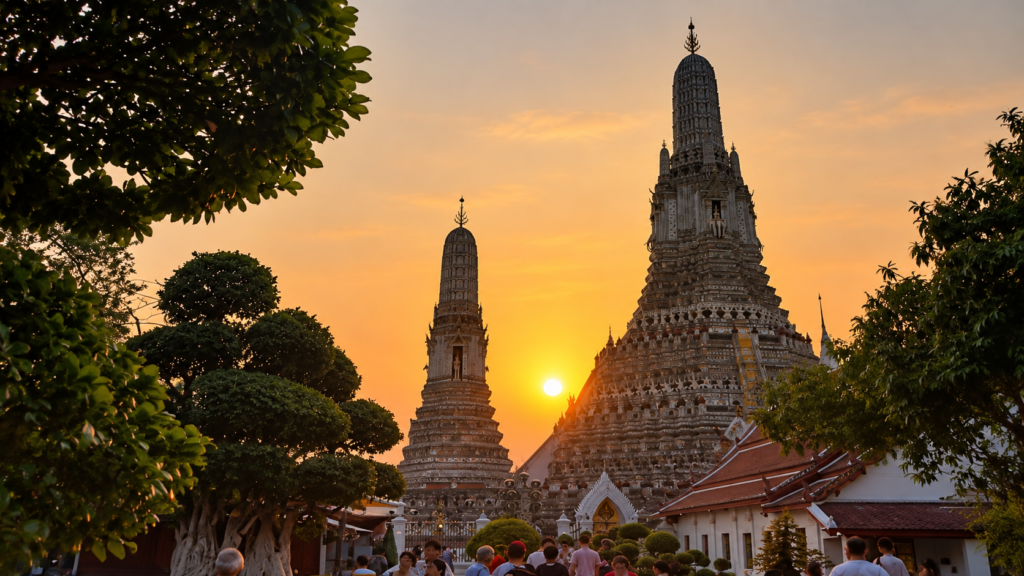
This Thailand travel guide is designed to help you decide where to go, when to visit, and how to build a realistic first-time itinerary.
Thailand combines energetic cities, Buddhist temples, historic sites, tropical islands, beaches, mountains, markets, food, nightlife, and rural landscapes. Bangkok is the natural starting point for many first-time visitors, while Chiang Mai, Phuket, Krabi, Ko Samui, Ayutthaya, and other destinations can create very different trips.
The main planning challenge is deciding how much of the country to include. Thailand stretches from mountainous northern regions to long coastlines and island groups in the south, so trying to combine too many destinations can turn a relaxing vacation into a series of transfers.
For a first visit, Bangkok plus one northern destination and one beach or island region usually creates a strong balance. Thailand’s official tourism organization highlights cities, temples, beaches, food, islands, outdoor activities, and regional experiences across the country.
Is Thailand Right for Your Trip?
Thailand is a strong choice for travelers who want a combination of culture, food, beaches, cities, history, temples, outdoor activities, and relatively easy regional travel.
Bangkok offers royal and religious sites, markets, museums, shopping, neighbourhoods, food, and nightlife. Major attractions highlighted by the Tourism Authority of Thailand include Wat Phra Kaew, Wat Pho, the Golden Mountain, and Chatuchak Weekend Market.
Chiang Mai provides a very different northern experience, combining Lanna culture, temples, handicrafts, mountain scenery, markets, food, and access to destinations such as Doi Suthep and Doi Inthanon.
Southern Thailand adds tropical beaches and islands. Phuket, Krabi, Ko Samui, and surrounding islands can provide everything from resort-style beach trips to diving, hiking, boat excursions, and quieter coastal stays. Phuket is Thailand’s largest island, while Krabi is particularly known for limestone cliffs, beaches, islands, coral reefs, and marine scenery.
For most first-time visitors, Bangkok + Chiang Mai + one southern beach region provides enough variety without trying to cover the entire country.
Best Time to Visit Thailand
Thailand is tropical and influenced by monsoons, but the weather is more complicated than simply dividing the country into one dry season and one rainy season. The Tourism Authority of Thailand describes broadly hot, rainy, and cooler periods, with average temperatures across the country generally ranging from about 18°C to 38°C.
November through February is one of the easiest periods for Bangkok, Chiang Mai, and much of northern and central Thailand. Conditions are generally cooler and drier than during the hottest or rainiest parts of the year.
March and April can become extremely hot, particularly in inland areas. This period can still work well, but travelers planning extensive walking and sightseeing should be prepared for the heat.
The rainy season affects much of northern and central Thailand roughly from May through October, although rainfall is often intermittent rather than continuous all day.
Southern beach conditions vary by coast. The Andaman side, including Phuket and Krabi, generally has its more favourable beach period during the northern-hemisphere winter months, while Gulf destinations such as Ko Samui follow a somewhat different seasonal pattern. Thailand’s official tourism guidance specifically notes these regional differences.
For a classic first trip combining Bangkok, Chiang Mai, and the Andaman coast, roughly November through February is generally the easiest period to plan around.
Where to Go in Thailand
Thailand is easier to plan when you choose destinations that provide genuinely different experiences.
Bangkok is the natural starting point. It combines temples, historic sites, markets, shopping, food, nightlife, museums, parks, and major transportation connections.
Chiang Mai is the strongest northern addition for many first-time visitors. Its temples, Lanna culture, markets, mountain landscapes, food, handicrafts, and outdoor excursions create a strong contrast with Bangkok.
Phuket works well for travelers who want a large island with beaches, restaurants, nightlife, excursions, and extensive tourism infrastructure.
Krabi is an excellent alternative for dramatic coastal scenery, limestone cliffs, beaches, island excursions, diving, and access to destinations such as Ko Lanta and the Phi Phi Islands.
Ko Samui is another substantial island destination with numerous beaches and access to Ang Thong National Marine Park.
Travelers interested in history can also add Ayutthaya, while those wanting quieter northern or rural experiences can explore beyond Chiang Mai.
For most first trips, Bangkok + Chiang Mai + Phuket or Krabi creates a strong introduction.
How Many Days Do You Need?
Thailand rewards having enough time to slow down because even though domestic transportation is extensive, moving between the north, Bangkok, and the southern islands still takes time.
A practical starting point is:
- 7 days: Bangkok + one additional region
- 10 days: Bangkok + Chiang Mai + one beach destination
- 14 days: Bangkok + Chiang Mai + two southern or regional stops
A 10-day trip is enough to experience three different sides of Thailand without changing hotels every day or two.
For a first visit, I would avoid trying to combine Bangkok, Chiang Mai, Phuket, Krabi, Ko Samui, several smaller islands, and multiple historic destinations in one short trip.
The goal is not to see the entire country. It is to give yourself enough time to experience urban Thailand, northern culture, and a coastal or island destination.
Getting Around Thailand
Thailand offers a mix of domestic flights, trains, buses, ferries, local transit, taxis, and ride services, and the best combination depends on your itinerary.
In Bangkok, public transportation such as the BTS Skytrain and MRT makes it possible to reach many major areas without relying entirely on taxis.
For long-distance journeys, domestic flights are often the fastest option when combining Bangkok, Chiang Mai, Phuket, Krabi, or Ko Samui. Trains and intercity buses can be useful when travel time is less important or when the route itself is part of the experience.
Ferries and speedboats become important when visiting islands, and schedules should be checked carefully when coordinating flights, hotel transfers, and onward transportation.
A rental car can be useful for some regional itineraries, but it is generally unnecessary in Bangkok. Motorbikes are widely available in beach and island areas, but the Tourism Authority of Thailand specifically warns that motorbike crashes cause serious injuries and fatalities and recommends helmets and defensive riding.
For most first trips, the simplest approach is public transportation in Bangkok, flights or trains between distant regions, and ferries for island connections.
Costs and Budgeting
Thailand can accommodate a broad range of budgets, but costs vary significantly by destination, season, accommodation style, transportation, and dining choices.
A practical way to control spending is to focus on three areas:
- Accommodation: Bangkok and Chiang Mai offer everything from simple guesthouses to luxury hotels, while famous island and beach destinations can become significantly more expensive during high season.
- Transportation: domestic flights can save time, while trains and buses may offer alternatives when the schedule allows.
- Meals: street food, markets, food courts, neighbourhood restaurants, and casual establishments make it possible to eat well without relying on expensive restaurants.
Travelers should also budget separately for temple and attraction admissions, island excursions, ferries, airport transfers, national parks, taxis, and activities such as diving or guided tours.
As with the other TravelingInformed cornerstone guides, I would avoid putting a fixed “Thailand costs ฿X per day” figure here. Bangkok, Chiang Mai, Phuket, Krabi, smaller islands, and luxury resorts can produce dramatically different budgets.
Food and Dining
Food is one of the strongest reasons to travel around Thailand because cuisine changes significantly by region.
Thailand’s official tourism site highlights both the diversity of Thai dishes and the wide range of places to eat, from street-food vendors and quick local restaurants to more formal dining.
Bangkok offers food from throughout the country, while northern Thailand is associated with specialties such as khao soi and distinctive Lanna-style dishes. Southern cooking often features stronger spices, seafood, curries, coconut, and ingredients influenced by the coastal environment.
A few practical habits can improve the experience:
- Look for regional specialties rather than ordering the same familiar dishes everywhere.
- Try markets, street-food areas, neighbourhood restaurants, and food courts.
- Ask about spice levels if you are sensitive to very hot food.
- Be particularly careful about allergies because sauces and prepared dishes may contain ingredients that are not obvious.
Thai cuisine goes far beyond pad Thai and green curry. Noodles, soups, grilled foods, curries, salads, seafood, regional rice dishes, desserts, fruit, and local specialties all form part of the experience.
What to Know Before You Go
A little preparation can make a first trip to Thailand much easier.
Entry requirements: Canadian citizens traveling on a regular passport currently qualify for visa-exempt tourism stays of up to 60 days, with a possible extension of up to another 30 days at the discretion of Thai immigration authorities. Entry rules can change, so travelers should verify current requirements before departure.
Complete the Thailand Digital Arrival Card. Foreign travelers entering Thailand are required to submit the TDAC before arrival. Thailand’s Immigration Bureau says the form can be submitted within three days before arrival, including the arrival date, and it replaces the former paper arrival card.
Be aware of current travel advisories. As of September 2026, the Government of Canada advises travelers to exercise a high degree of caution in Thailand because of political tensions and sporadic demonstrations. Travelers should check the advisory again close to departure because conditions can change.
Respect temple etiquette and local customs. Modest clothing is appropriate at religious sites, and shoes may need to be removed before entering certain buildings.
Be cautious with motorbikes. They are convenient in some tourist areas but carry significant accident risk. Use licensed transportation when you are not comfortable driving locally.
The practical lesson is simple: Thailand is relatively easy to travel through once you understand entry procedures, transportation, regional weather, and local customs.
Suggested First-Time Thailand Itinerary
For travelers with around 10 days, Bangkok, Chiang Mai, and one southern beach region create a practical first-time route.
Days 1–3: Bangkok
Begin in Bangkok and spend several days exploring temples, historic areas, markets, neighbourhoods, food, and modern city life. Major attractions can include Wat Phra Kaew, Wat Pho, markets, museums, and riverfront areas.
Days 4–6: Chiang Mai
Fly or travel north to Chiang Mai for temples, markets, northern Thai food, Lanna culture, handicrafts, and mountain scenery. Doi Suthep and Doi Inthanon are among the region’s best-known attractions.
Days 7–10: Phuket or Krabi
Finish with several days in southern Thailand. Choose Phuket if you want a larger island with extensive resorts, restaurants, beaches, and nightlife, or Krabi if dramatic limestone scenery, smaller coastal areas, and island excursions appeal more.
If you have 14 days, consider adding Ayutthaya, Ko Lanta, Ko Samui, or additional time in one of your existing destinations rather than simply adding more transfers.
The best Thailand itinerary is not the one that covers the most places. It is the one that gives you enough time to experience the differences between Bangkok, northern Thailand, and the coast.
Final Thoughts
Thailand offers enough variety that a first trip should be treated as an introduction rather than an attempt to see the entire country.
For a first visit, focus on Bangkok and one or two destinations that provide something genuinely different. Chiang Mai adds northern culture and mountain scenery, while Phuket, Krabi, Ko Samui, and other islands offer very different coastal experiences.
Use this Thailand travel guide as a starting point, then adjust the route to match your time, interests, and travel style.
If you’re comparing Asian destinations, you may also want to read our Japan travel guide and South Korea travel guide.
Explore more destination guides on TravelingInformed.