
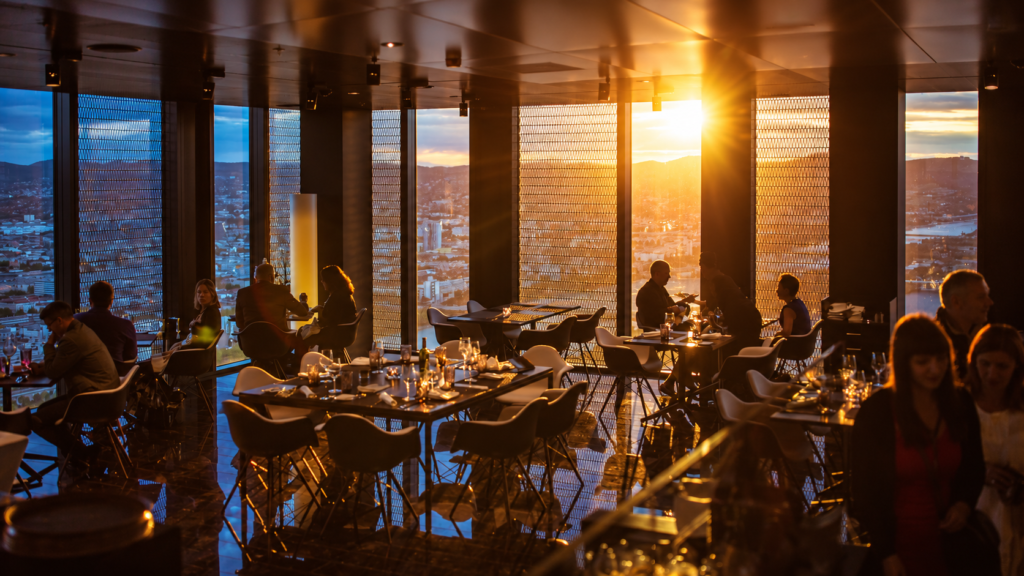
The United Kingdom has a much broader food culture than the stereotypes of fish and chips, meat pies and cups of tea might suggest. England, Scotland, Wales and Northern Ireland each have distinctive regional dishes, ingredients and traditions, while cities such as London, Edinburgh, Cardiff and Belfast have developed increasingly diverse restaurant scenes.
For travelers, exploring United Kingdom food is as much about understanding regional differences as checking famous dishes off a list. A seafood lunch on the Scottish coast, a Welsh cake straight from a griddle, an Ulster Fry in Belfast and a Sunday roast in an English pub are all very different experiences.
The best approach is to try both traditional dishes and contemporary cooking. Historic recipes remain important, but modern restaurants increasingly use local meat, seafood, vegetables and artisan products in ways that feel very different from the heavy British food stereotypes of the past.
United Kingdom Food: What Travelers Should Expect
Food across the United Kingdom varies substantially by region, but several themes appear repeatedly: strong baking traditions, locally produced meat and dairy, seafood from extensive coastlines, hearty breakfasts, pub cooking and a long-established culture of tea.
Traditional dishes often developed from inexpensive local ingredients and practical methods of cooking. Potatoes, oats, bread, root vegetables, fish and slow-cooked meats remain central to many classic recipes.
At the same time, modern British dining is highly international. Especially in major cities, travelers can move easily between traditional regional dishes, South Asian food, Mediterranean cooking, modern European restaurants and contemporary tasting menus.
Food to Try in England
England has many dishes that visitors immediately associate with British cooking. Some are available throughout the United Kingdom, but their strongest historical associations remain English.
Fish and Chips
Fish and chips remains one of the country’s most recognizable meals. Battered white fish — commonly cod or haddock — is fried until crisp and served with thick-cut chips.
At traditional fish-and-chip shops, you may also be offered mushy peas, curry sauce, gravy or tartar sauce depending on the region.
Although fish and chips is available almost everywhere, coastal towns remain especially enjoyable places to try it. Fresh sea air will not automatically make the fish better, but eating it near the coast is undeniably part of the experience.
Sunday Roast
The Sunday roast remains one of England’s most enduring food traditions.
A typical plate combines roast beef, chicken, pork or lamb with roast potatoes, vegetables and gravy. Yorkshire pudding frequently accompanies roast beef but now appears with many variations of the meal.
For travelers, a good pub is often the easiest place to experience a traditional roast. Sunday lunch can be busy, especially at well-known pubs, so reservations are worthwhile.
Full English Breakfast
A traditional full English breakfast is designed to be substantial.
Common components include eggs, bacon, sausages, baked beans, mushrooms, grilled tomatoes and toast. Black pudding and fried or hash-brown-style potatoes may also appear.
Most travelers will not want a breakfast this large every morning, but it is worth trying once. Hotels, cafés and pubs often serve versions ranging from extremely traditional to lighter modern interpretations.
Pies and Savoury Pastries
Meat pies remain a major part of traditional English food.
Steak and ale pie, chicken and mushroom pie and various regional meat pies frequently appear on pub menus. A proper pie may have a complete pastry casing, while other versions are topped with pastry over a cooked filling.
Cornwall also has its famous Cornish pasty, traditionally filled with beef, potato, swede and onion in a folded pastry case.
Bangers and Mash
Bangers and mash is straightforward British comfort food: sausages served with mashed potatoes, usually accompanied by onion gravy.
The quality depends heavily on the sausages. Traditional pubs and restaurants using good local sausages can turn an apparently simple plate into a surprisingly satisfying meal.
Afternoon Tea
Afternoon tea is one of the UK’s best-known dining rituals and is particularly associated with hotels, tearooms and traditional restaurants.
A classic presentation usually includes small sandwiches, scones with jam and cream, cakes or pastries and a pot of tea. More elaborate hotels may offer Champagne or additional savoury courses.
VisitBritain identifies afternoon tea alongside fish and chips, the full English breakfast and Sunday roast as one of Britain’s signature food experiences.
Travelers should understand that afternoon tea is generally a meal rather than simply a cup of tea. If you book a large afternoon tea in mid-afternoon, you may not want a full dinner a few hours later.
Food to Try in Scotland
Scotland’s cuisine reflects its agricultural land, cold northern waters and long traditions of using oats, meat, game, dairy and seafood.
Modern Scottish restaurants increasingly combine those traditional ingredients with contemporary cooking, so travelers should look beyond the stereotype that Scottish food begins and ends with haggis.
Haggis, Neeps and Tatties
Haggis is Scotland’s national dish and is traditionally made with meat, oatmeal, onions, seasoning and spices.
The classic serving pairs haggis with neeps and tatties — turnips and potatoes. Vegetarian versions are also widely available.
VisitScotland notes that haggis appears throughout the country, from traditional presentations to modern variations in restaurants and pubs.
Cullen Skink
Cullen skink is a rich Scottish soup traditionally made with smoked haddock, potatoes and onions.
It originated in the northeast fishing village of Cullen and is particularly satisfying in colder weather. Travelers who enjoy chowders and smoked fish should look for it on pub and restaurant menus.
Scottish Seafood
Scotland’s extensive coastline produces some of the strongest food experiences in the country.
Salmon, langoustines, lobster, oysters, mussels and smoked fish regularly appear on menus. VisitScotland also highlights traditional smoked products such as Arbroath Smokies.
Coastal areas and islands are especially good places to look for seafood restaurants that emphasize local catches.
Cranachan
Cranachan is a traditional Scottish dessert combining cream, raspberries, toasted oats and honey, often with whisky added for flavour.
It is lighter than many traditional British puddings and makes a good conclusion to a meal built around heavier Scottish dishes.
Food to Try in Wales
Welsh cooking has strong connections to farming, dairy, baking and the sea.
Traditional dishes are often simple rather than elaborate, but Wales has a distinctive culinary identity that is easy to miss if travelers eat only in international restaurants.
Cawl
Cawl is one of Wales’s best-known traditional dishes.
It is a hearty soup or stew that can include lamb or other meat along with potatoes and seasonal vegetables. Recipes vary between families and regions.
Visit Wales notes that cawl recipes have often been passed through families and can vary significantly from one area to another.
Welsh Rarebit
Welsh rarebit is much more than ordinary cheese on toast.
A savoury cheese mixture is spread over bread and grilled until bubbling and golden. Recipes vary, with mustard, ale or Worcestershire-style seasonings sometimes added.
It works particularly well as a pub lunch or lighter meal.
Welsh Cakes
Welsh cakes are small griddle-cooked cakes traditionally made with flour, butter, sugar and dried fruit.
They are best eaten fresh and are widely available in bakeries and markets. Unlike a large restaurant dessert, they also make an easy snack while sightseeing.
Bara Brith
Bara brith is a traditional Welsh fruit loaf whose name translates roughly as “speckled bread.”
Modern versions commonly soak dried fruit in tea before baking, producing a moist loaf usually served sliced and spread with butter.
Visit Wales identifies bara brith, Welsh cakes, cawl and Welsh rarebit among the country’s traditional foods.
Food to Try in Northern Ireland
Northern Ireland’s food scene combines strong baking traditions, excellent agricultural produce and seafood from its coast and loughs.
Belfast now offers everything from traditional cafés and markets to ambitious contemporary restaurants, while rural areas remain excellent places to encounter breads, meat and locally produced ingredients.
Ulster Fry
The Ulster Fry is Northern Ireland’s answer to the cooked breakfast.
Eggs, bacon and sausages are typically joined by breads such as soda farls and potato bread, which distinguish it from many other cooked breakfasts across Britain and Ireland.
It is a substantial meal and can easily replace lunch if eaten late in the morning.
Soda Bread and Potato Bread
Bread is central to Northern Irish food traditions.
Soda farls are traditionally cooked on a griddle, while potato bread uses potatoes as a major ingredient. Both frequently appear as part of an Ulster Fry but can also be eaten independently.
Discover Northern Ireland highlights soda bread, wheaten bread and potato bread as important traditional foods still taught in local cooking experiences.
Champ
Champ is a comforting potato dish made by combining mashed potatoes with scallions, butter and seasoning.
It is often served with sausages or ham and is an excellent example of how simple ingredients remain central to traditional Northern Irish cooking.
Seafood
Northern Ireland also has excellent access to seafood.
Mussels, crab, fish and products from areas such as Strangford Lough regularly appear on local menus. Travelers interested in seafood should look beyond Belfast and explore coastal towns and smaller regional restaurants as well.
British Food You Will See Across the Country
Some dishes no longer belong neatly to one region and can be encountered almost anywhere in the United Kingdom.
- Fish and chips — battered fish and thick-cut chips.
- Sunday roast — roasted meat, potatoes, vegetables and gravy.
- Sausage and mash — sausages with mashed potatoes and gravy.
- Steak and ale pie — slow-cooked beef in gravy with pastry.
- Sticky toffee pudding — a rich sponge dessert served with toffee sauce.
- Scones — commonly served with jam and cream as part of afternoon tea.
Trying these dishes in different regions can be interesting because preparation, ingredients and accompaniments often vary.
Pubs Are Part of the Food Experience
Travelers should not think of British pubs only as places to drink.
Many pubs serve full lunch and dinner menus, and some specialize in high-quality seasonal cooking. Traditional choices such as pies, fish and chips and Sunday roast often sit beside more contemporary dishes.
A good pub can be one of the easiest places to experience regional cooking without committing to a formal restaurant.
Quality varies enormously, however. A historic-looking building does not automatically guarantee good food, so recent reviews and locally recommended pubs are worth checking.
Markets, Bakeries and Casual Food
Not every memorable food experience needs to involve a restaurant.
Food markets, bakeries, farm shops and small cafés can often reveal regional specialties more effectively than formal dining rooms.
Markets are particularly useful for travelers who want to sample several foods without committing to a full meal. Bakeries are equally valuable for finding regional breads, cakes, pies and pastries.
In Northern Ireland, Belfast’s St George’s Market brings together local produce and prepared foods, while markets throughout Britain increasingly combine traditional products with international street food.
Fine Dining and Modern British Cooking
Traditional dishes are only one side of United Kingdom food.
London has one of the world’s most diverse restaurant scenes, while cities such as Edinburgh, Glasgow, Cardiff, Belfast, Manchester and Birmingham also offer strong contemporary dining.
Many modern restaurants build menus around British seafood, locally raised meat, seasonal vegetables and artisan cheeses while using cooking techniques drawn from much broader international traditions.
This makes it worthwhile to combine at least one traditional meal with a more contemporary restaurant during your trip.
Vegetarian and Vegan Travelers
Vegetarian and vegan dining is widely available in larger cities and increasingly common in smaller towns.
Traditional British food can be meat-heavy, but many pubs and restaurants now offer plant-based versions of pies, roasts, breakfasts and other familiar dishes.
Some traditional foods are naturally vegetarian, including many Welsh cakes, some versions of Welsh rarebit and numerous baked goods. Ingredients still vary, so travelers with dietary restrictions should confirm them rather than assuming.
How to Eat Well While Traveling in the UK
You do not need to eat traditional food at every meal to understand the country’s food culture.
A better strategy is to mix different experiences:
- Try one traditional cooked breakfast.
- Have a Sunday roast or pub meal.
- Visit a bakery or food market.
- Try a regional dish specific to where you are traveling.
- Book one contemporary restaurant if your budget allows.
- Look for seafood when traveling near the coast.
Most importantly, avoid assuming that the same dishes define every part of the United Kingdom.
Haggis in Scotland, cawl in Wales and an Ulster Fry in Northern Ireland tell you much more about regional food culture than eating the same generic meal in every city.
Choosing What to Eat by Region
- In England: try fish and chips, Sunday roast, full English breakfast, pies and afternoon tea.
- In Scotland: look for haggis, Cullen skink, seafood, smoked fish and cranachan.
- In Wales: try cawl, Welsh rarebit, Welsh cakes and bara brith.
- In Northern Ireland: look for an Ulster Fry, soda farls, potato bread, champ and local seafood.
Regional differences are what make exploring United Kingdom food worthwhile. Rather than searching for one definitive British meal, use each destination as an opportunity to try something connected to the place you are visiting.
For etiquette, traditions and everyday customs, see our United Kingdom Culture and Local Customs: What Travelers Should Know.
For cliffs, beaches, islands and coastal road trips, see our United Kingdom Coastlines: Cliffs, Beaches and Island Shores.
For broader trip planning, visit our United Kingdom Travel Guide: What to Know Before You Go.
From pub classics and regional baking to Scottish seafood and contemporary restaurant dining, the range of United Kingdom food is much broader than its old stereotypes suggest. Try the famous dishes, but leave room for regional specialties, local markets and modern cooking along the way.