
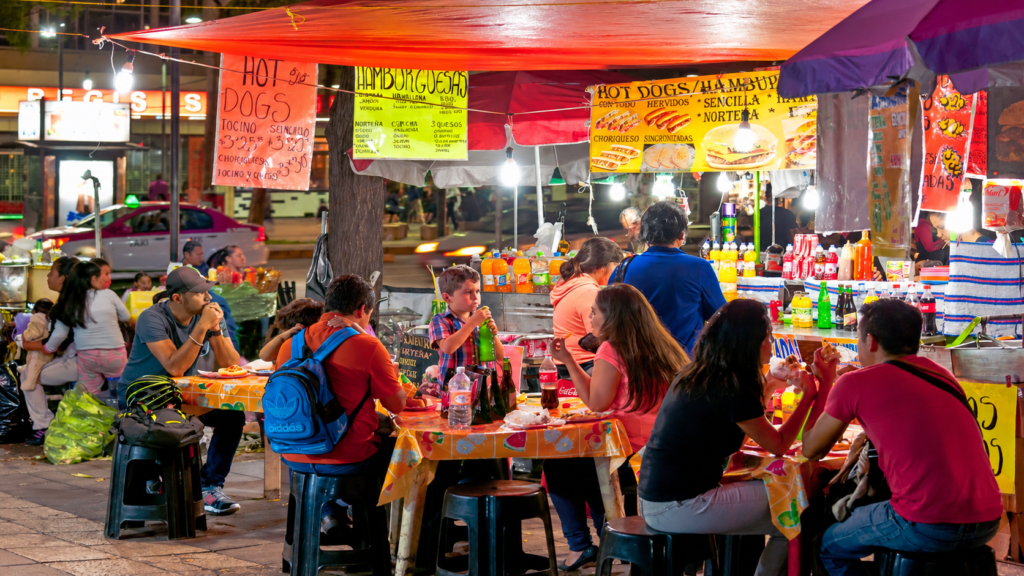
Mexico is one of those countries where food is not simply something you eat between sightseeing stops. It is part of the travel experience itself.
From busy taco stands in Mexico City and smoky grills in northern Mexico to complex moles in Oaxaca, citrus-and-achiote dishes in Yucatán and seafood along the Pacific coast, Mexico food changes dramatically from one region to another.
Traditional Mexican cuisine was inscribed on UNESCO’s Representative List of the Intangible Cultural Heritage of Humanity in 2010. UNESCO describes it as a living cultural system built around ingredients including corn, beans and chiles, along with farming traditions, cooking techniques and knowledge passed between generations. You can learn more through UNESCO’s traditional Mexican cuisine listing.
For travelers, the important thing is not to search for one definitive Mexican meal. Instead, pay attention to where you are. Regional cooking is one of the best ways to understand Mexico.
Mexico Food: What Travelers Should Expect
Mexican cuisine is far more varied than the tacos, burritos and nachos commonly associated with Mexican restaurants outside the country.
Recipes change with geography, climate, agriculture and local history. Corn dominates many traditional dishes in central and southern Mexico, while wheat flour tortillas are common in parts of the north. Coastal regions make extensive use of fish and shellfish, while inland areas may be better known for pork, beef, goat, beans, squash and chile-based sauces.
Markets, family-run restaurants, street stalls, bakeries and neighbourhood fondas can be just as important to the experience as formal restaurants.
You will also encounter enormous variation in chile heat. Mexican food can certainly be spicy, but chile is used for flavour, aroma, colour and complexity as much as for heat.
Corn, Beans and Chiles: Foundations of Mexican Cooking
Many Mexican meals begin with ingredients that have been cultivated in the region for centuries.
Maize and tortillas
Corn is central to traditional Mexican cooking. Tortillas accompany countless meals and also form the foundation of tacos, enchiladas, tostadas, quesadillas and many other dishes.
A traditional process called nixtamalization cooks dried corn with an alkaline substance such as lime before it is washed and ground into masa. UNESCO specifically identifies this process as part of Mexico’s traditional culinary heritage.
Beans
Beans appear throughout the country in different forms, including whole beans, soups and refried beans. Preparations vary by region and household.
Chiles
Fresh, dried, smoked and roasted chiles provide very different flavours. Jalapeño, serrano, poblano, ancho, guajillo, pasilla and habanero are only a few of the varieties travelers may encounter.
Rather than assuming every salsa will be extremely hot, try a small amount first. Heat levels can vary considerably from one salsa to another.
Mexico City and Central Mexico
Mexico City is one of the easiest places to experience a broad cross-section of Mexican cooking. Street stalls, markets, taquerías, bakeries, neighbourhood restaurants and contemporary dining rooms sit side by side.
Tacos al pastor
Tacos al pastor are made with seasoned pork cooked on a vertical spit and sliced directly onto small tortillas. Onion, cilantro and pineapple are common accompaniments, although preparation varies by taquería.
Tlacoyos
Tlacoyos are thick oval-shaped masa cakes traditionally filled with ingredients such as beans, cheese or fava beans. They are commonly cooked on a griddle and topped with salsa, cheese, onions or nopales.
Quesadillas
Quesadillas take many forms throughout Mexico. In Mexico City, do not automatically assume that ordering a quesadilla guarantees cheese; depending on the vendor, you may need to request it specifically.
Tamales
Tamales are found throughout Mexico and vary enormously. Masa is wrapped around a filling and steamed, traditionally in corn husks or, in some regions, banana leaves.
Puebla: Mole, Cemitas and Chiles en Nogada
Puebla has one of Mexico’s most distinctive regional food traditions.
Mole poblano
Mole poblano is a complex sauce combining dried chiles with spices and other ingredients. Chocolate may be included, but it is only one component of a much broader flavour profile.
Mole recipes can contain long ingredient lists and vary significantly between cooks and families.
Cemitas
A cemita poblana is a substantial sandwich made with a distinctive sesame-seed roll. Fillings can include breaded meat, cheese, avocado, chile and papalo, an aromatic herb frequently used in central Mexican cooking.
Chiles en nogada
This Puebla specialty combines a stuffed poblano chile with a walnut-based sauce and pomegranate seeds. It is particularly associated with late summer and Mexico’s Independence season, when key ingredients are available.
Oaxaca: Moles, Tlayudas and Mezcal Culture
Oaxaca is one of Mexico’s most celebrated food destinations, with Indigenous traditions, regional ingredients and cooking techniques that vary across the state’s different communities.
Mole
Oaxaca is famous for several styles of mole rather than a single recipe. Mole negro, coloradito, amarillo and verde are among the versions travelers may encounter.
Each combines chiles, herbs, spices, seeds or other ingredients in different proportions, producing sauces that can range from dark and deeply roasted to bright and herbaceous.
Tlayudas
Tlayudas begin with very large corn tortillas that are cooked until firmer than ordinary table tortillas. They are commonly topped with beans, asiento, cheese and combinations of meat, vegetables and salsa.
Quesillo
Oaxacan quesillo, often called Oaxaca cheese outside the region, is a stretched-curd cheese that separates into long strands and appears in tlayudas, quesadillas and many other dishes.
Chapulines
Roasted or toasted grasshoppers known as chapulines are a traditional food in Oaxaca. They may be seasoned with ingredients such as chile, garlic and lime and eaten alone or added to other dishes.
Chocolate and mezcal are also deeply associated with Oaxaca and are worth exploring alongside the region’s food.
Yucatán Peninsula: Achiote, Citrus and Maya Influences
The food of the Yucatán Peninsula tastes noticeably different from the cooking of central Mexico.
Achiote, sour orange, habanero chile, pumpkin seed and local herbs help create its distinctive character. Yucatán’s official tourism site highlights ingredients including achiote, habanero, oregano, pumpkin seed and citrus as important parts of the state’s gastronomy. You can explore more through Yucatán Travel’s gastronomy guide.
Cochinita pibil
Cochinita pibil is pork seasoned with achiote and citrus, traditionally associated with slow cooking. It is commonly served with pickled red onion and often accompanied by habanero salsa.
Panuchos and salbutes
These popular Yucatecan snacks begin with tortillas but are prepared differently. Panuchos typically contain refried black beans inside the tortilla before frying, while salbutes are puffed fried tortillas topped with ingredients such as turkey or chicken, vegetables and pickled onion.
Sopa de lima
Sopa de lima is an aromatic soup associated with Yucatán, usually combining poultry broth with local citrus and crisp tortilla strips.
If you enjoy regional cooking, Mérida is an excellent place to explore Yucatecan dishes in markets, casual restaurants and more contemporary kitchens.
Jalisco and Western Mexico
Western Mexico has several dishes that have become famous throughout the country.
Birria
Birria is particularly associated with Jalisco. Traditionally prepared with goat in many versions, it is now also widely made with beef and other meats.
The meat is seasoned with chiles and spices and cooked until tender. Depending on the establishment, it may be served as a stew, on a plate or inside tacos with cooking broth on the side.
Torta ahogada
Guadalajara’s torta ahogada is a sandwich built around crusty bread, traditionally filled with pork and partially or completely covered in tomato-based and chile sauces.
Pozole
Pozole is eaten in many parts of Mexico, with regional versions based around hominy and meat. Red, green and white preparations are common, usually accompanied by garnishes such as shredded lettuce or cabbage, radish, onion, lime and chile.
Northern Mexico and the Borderlands
Northern Mexican cooking reflects cattle ranching, wheat cultivation and the region’s dry climate.
Carne asada
Grilled beef is particularly important in states such as Sonora and Nuevo León. A carne asada meal can be as much a social occasion as a specific recipe, with grilled meat accompanied by tortillas, salsa, beans and vegetables.
Flour tortillas
While corn tortillas remain widespread, flour tortillas have a particularly strong tradition across much of northern Mexico. Fresh handmade versions can be very different from packaged tortillas sold outside Mexico.
Cabrito
Roasted young goat is closely associated with Monterrey and Nuevo León. It is traditionally cooked slowly and is one of the region’s better-known meat dishes.
Machaca
Machaca is dried or shredded meat with deep roots in northern Mexico’s preservation traditions. One common breakfast preparation combines it with eggs, tomatoes, onion and chile.
Baja California and Pacific Seafood
Mexico’s long Pacific coastline produces another completely different style of eating.
Fish tacos
Battered fish tacos are especially associated with Baja California. Fresh fish is fried until crisp and served in tortillas with cabbage, sauces, lime and other toppings.
Aguachile
Aguachile is strongly associated with Mexico’s Pacific coast, particularly Sinaloa. Raw or lightly cured shrimp is typically combined with lime, fresh chiles and other ingredients.
Because the seafood may be raw or only briefly cured in citrus, choose restaurants with good food-handling practices.
Ceviche and seafood tostadas
Coastal restaurants and stands frequently serve fish and shellfish as ceviche, cocktails and tostadas. Preparations change as you move from Baja California down the Pacific coast.
The Baja peninsula has also developed an innovative contemporary restaurant scene that combines local seafood and produce with influences from both sides of the Pacific.
Veracruz and Gulf Coast Flavors
Veracruz’s position on the Gulf of Mexico and its long history as a major port have helped shape one of the country’s distinctive regional cuisines.
Pescado a la Veracruzana
Fish prepared Veracruz-style commonly combines tomatoes, olives, capers, herbs and chiles, reflecting both Mexican ingredients and Mediterranean influences introduced during the colonial period.
Seafood
Shrimp, crab, octopus and other seafood appear extensively along the Gulf coast. Preparations range from soups and rice dishes to grilled fish and seafood cocktails.
Veracruz is also an important coffee-growing state, so travelers exploring inland areas should look beyond the coast’s seafood traditions.
Street Food, Markets and Everyday Eating
Some of the most memorable Mexico food experiences happen outside formal restaurants.
Street vendors and markets offer an enormous range of tacos, tamales, tortas, quesadillas, gorditas, sopes, elotes, esquites, fruit and regional snacks.
Tacos
Instead of thinking of tacos as a single dish, consider them a format. Fillings can include pork, beef, goat, seafood, stewed meats, vegetables and countless regional specialties.
Elotes and esquites
Elote is corn on the cob served with combinations of lime, chile, cheese and creamy toppings. Esquites use corn kernels served in a cup with similar seasonings.
Markets
Food markets can be particularly useful for travelers because several regional specialties may be available in one place. Look for stalls that are busy with local customers and where food is being prepared continuously.
When eating street food, favour stalls with high turnover, clean preparation surfaces and ingredients that are kept properly hot or cold.
Desserts and Drinks to Try
Mexico’s food culture extends well beyond savoury dishes.
Churros
Freshly fried churros dusted with sugar are common in many cities and are especially satisfying when served warm with coffee or hot chocolate.
Pan dulce
Mexican bakeries display dozens of varieties of sweet bread. Conchas, named for their shell-like patterned topping, are among the most recognizable.
Paletas
Mexican ice pops come in fruit, milk and cream-based varieties, often featuring flavours such as mango, lime, coconut, strawberry or tamarind.
Agua fresca
Fresh drinks made from fruit, flowers, grains or seeds are common companions to meals. Jamaica, made from hibiscus, horchata and tamarindo are widely available.
Chocolate and coffee
Chocolate has deep historical roots in Mexico, while coffee-growing regions include Chiapas, Veracruz and Oaxaca. Both are worth seeking out in their regional settings rather than only in tourist cafés.
How to Eat Well Around Mexico
The best approach to eating in Mexico is to let geography guide you.
- Mexico City: tacos, tlacoyos, tamales and an enormous range of regional cooking.
- Puebla: mole poblano, cemitas and chiles en nogada.
- Oaxaca: moles, tlayudas, quesillo, chocolate and mezcal.
- Yucatán: cochinita pibil, panuchos, salbutes and sopa de lima.
- Jalisco: birria, tortas ahogadas and pozole.
- Northern Mexico: carne asada, flour tortillas, machaca and cabrito.
- Baja and the Pacific coast: fish tacos, aguachile and fresh seafood.
- Veracruz: Gulf seafood and Veracruz-style fish dishes.
Do not feel that you need to work through a checklist of famous dishes. Often the best meal will be the regional specialty recommended by a market vendor, restaurant server or local resident.
Try street stalls as well as restaurants, visit food markets, taste different salsas carefully and pay attention to dishes that appear repeatedly in the region you are visiting.
Mexico’s culinary traditions are so varied that the same trip can move from tacos cooked over a busy city griddle to slow-cooked regional dishes, fresh seafood, traditional markets and contemporary restaurants.
That regional variety is what makes exploring Mexico food so rewarding. Rather than searching for a single definition of Mexican cuisine, use each destination as an opportunity to discover a different part of it.
For etiquette, festivals and everyday traditions, see our Mexico Culture and Local Customs: What Travelers Should Know.
For beaches, islands and coastal destinations, explore our Mexico Coastlines: Pacific, Caribbean and Gulf Shores.
For broader trip planning, visit our Mexico Travel Guide.
For more practical trip-planning advice, explore our Travel Tips & Resources.