
Colombia rewards travelers who pair a high mountain capital with a green mountain city and the Caribbean coast, and resist the urge to cover the whole country. A first trip works best when you fly between a few bases instead of crossing mountain roads. This 10 day Colombia itinerary spends three days in Bogotá, three in Medellín and four in Cartagena.
You’ll find a day-by-day plan, realistic travel times, booking advice and notes on where to stay. It follows the first-time route suggested in our Colombia travel guide, with the detail you need to plan it. Entry rules, ticket prices, opening hours and government travel advice change, so confirm anything important with the official sources linked below.
10 Day Colombia Itinerary at a Glance
- Days 1–3: Bogotá. The historic center, the Gold Museum, Monserrate and a day trip to the Zipaquirá Salt Cathedral.
- Days 4–6: Medellín. A one-hour flight to a mountain city, with the metro and cable cars, a guided visit to Comuna 13 and a day at Guatapé.
- Days 7–10: Cartagena. A flight to the coast for the walled city, Getsemaní, the San Felipe fortress and a boat day to the islands.
Each stop has a different pace. Bogotá is cool, high and busy. Medellín is mild and green, with a metro that climbs the hillsides. Cartagena is hot, colorful and a little slower. You fly twice, change hotels twice, and finish on the water. If you want to add the Coffee Region, you would need extra days, so it fits better in a longer trip.
Before You Go: Entry Rules and Safety
Citizens of many countries can visit Colombia for tourism without a visa for up to 90 days, according to Canadian travel advice, but rules depend on your nationality. Travelers must also complete the free online Check-Mig form, which Canadian advice says should be filled in within 72 hours to 1 hour before boarding a flight to Colombia. Use only the official Migración Colombia Check-Mig page, because look-alike sites may charge fees. The same advice says an entry fee is payable on arrival, and the amount is updated each year, so check the current rules and your passport validity before you travel.
Read the current Government of Canada travel advice for Colombia before booking. It currently says to exercise a high degree of caution, mainly because of crime, and it warns about scopolamine drugging, express kidnappings from street taxis, fake police officers and robberies linked to dating apps, in Bogotá, Medellín and Cartagena. Use registered taxis or ride-hailing apps, keep drinks in sight, and keep phones and valuables out of view.
Days 1–3: Bogotá
Bogotá sits at about 2,600 meters, so take the first day slowly, drink water, and avoid heavy meals and alcohol until you adjust. The weather can be cool and rainy at any time of year, so pack layers and a light rain jacket.
Day 1: La Candelaria and the Gold Museum
After you arrive, spend the day in La Candelaria, the historic center, around the Plaza de Bolívar. The Gold Museum is the main stop. According to the Gold Museum’s official visitor page, it is open Tuesday to Saturday from 9:00 a.m. to 6:00 p.m. and Sundays and public holidays from 10:00 a.m. to 4:00 p.m., and it is closed on Mondays. Entry is free on Sundays, when it is often crowded, and foreign visitors pay a ticket price on other days. You must get a ticket at the museum even when entry is free. Plan the day around those opening days.
The Botero Museum, which holds work by the Colombian artist Fernando Botero, is free to enter according to several guides, but sources differ on its weekly closing day, so check before you go. Spend the evening nearby, and keep the first night easy.
Day 2: Zipaquirá Salt Cathedral
Zipaquirá is about 50 kilometers north of Bogotá, and its cathedral is built inside a salt mine. Buses leave from the Salitre terminal and take about an hour and a half, while a tourist train runs on weekends and holidays, so check the timetable. The Salt Cathedral’s official site lists it as open daily from 9:00 a.m. to 4:40 p.m. Ticket prices differ between sources, so check the site and consider buying tickets in advance. Return to Bogotá in the afternoon.
Day 3: Monserrate and a Market Morning
Visit the Paloquemao market early in the morning, when it is busiest, to see the fruit, flowers and food stalls, and use a taxi or ride-hailing app to get there. In the afternoon, go up Monserrate, a mountaintop church above the city at roughly 3,100 meters. The official Monserrate site gives daily operating hours and notes that at times only the funicular runs, so check which service is open and buy tickets from the official sellers. Go on a clear day for the view, and be ready for cold air at the top.
Bogotá to Medellín by Air
Flights from Bogotá to Medellín take about an hour and run frequently. By road the trip takes roughly 9 to 12 hours, so flying is the practical choice for a 10-day trip. Medellín’s main airport, José María Córdova, is in Rionegro, about 35 kilometers from the city, and the transfer takes roughly 30 to 45 minutes. The metro does not reach it, so use an official taxi or a transfer arranged with your accommodation. Check your baggage allowance, because low-cost fares may include little luggage.
Days 4–6: Medellín
Medellín is known for its mild climate and mountain setting. The metro and cable cars are the easiest way to see the city, and they work well as a form of sightseeing in themselves.
Day 4: Arrive, the Metro and Plaza Botero
After the transfer, ride the metro into the center and walk around Plaza Botero, with its large sculptures. The official Metro de Medellín schedule lists the main lines as running from 4:30 a.m. to 11:00 p.m. Monday to Saturday, with shorter hours on Sundays and holidays, and the Metrocable lines starting later on Sundays. Check the schedule for your date, and keep your belongings secure on crowded trains.
Day 5: Guatapé and El Peñol
Guatapé is a colorful lakeside town, and El Peñol is a huge granite rock with a staircase of roughly 700 steps to the top. Buses leave from Medellín’s northern bus terminal, which is connected to the metro, and the trip takes about two hours each way. Sources disagree on the entrance fee and closing time, so confirm them on arrival. Go early to avoid crowds, bring water and sun protection, and plan the climb for the cooler part of the day.
Day 6: Comuna 13 and the Botanical Garden
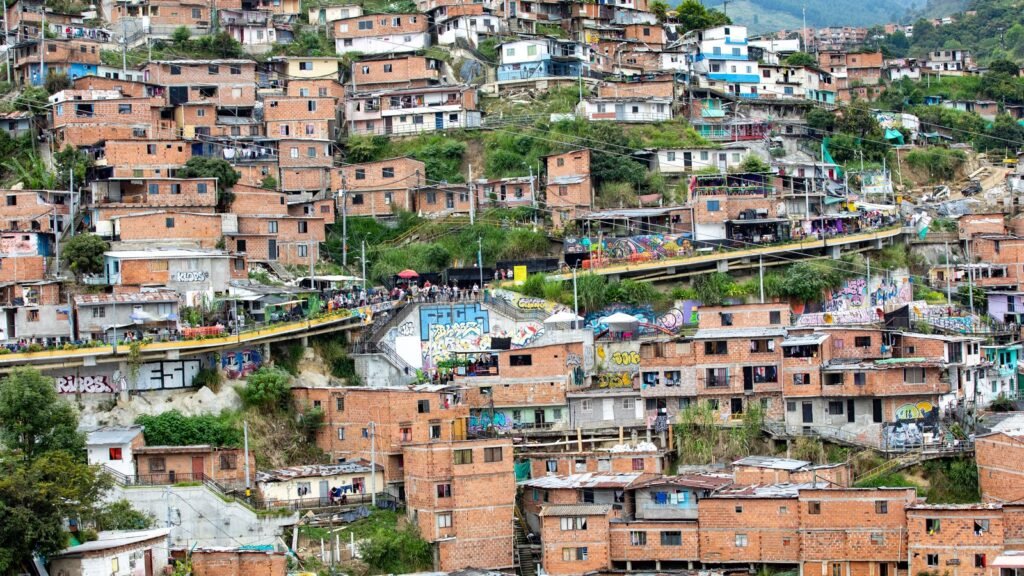
Comuna 13 is a hillside neighborhood known for its murals and outdoor escalators. It is still a residential area, so visit with a local guide, in daylight, and stay on the main paths. Many tours start from a central metro station and include stories about the neighborhood’s recent history. In the afternoon, visit the Botanical Garden or relax in one of the city’s parks. Pack tonight, because tomorrow you fly to the coast.
Medellín to Cartagena by Air
Nonstop flights from Medellín to Cartagena take about an hour and a quarter. Cartagena’s airport is close to the old town, usually about 20 minutes by car, although traffic can make it longer. Use the official taxi rank outside the terminal or a transfer arranged by your hotel, and avoid people who approach you inside the building.
Days 7–10: Cartagena
Cartagena is hot and humid, so plan walking for the early morning and late afternoon, and take a midday break in the shade or the air conditioning. The old walled city and the neighborhood of Getsemaní are close together and easy to explore on foot.
Day 7: Arrive and Walk the Walled City
After you arrive, drop your bags and walk through the walled city, with its colonial streets, plazas and balconies. Walk along parts of the old walls toward sunset, when it is cooler, and have dinner in the old town or nearby Getsemaní.
Day 8: San Felipe Fortress and Getsemaní
Visit the Castillo San Felipe de Barajas early, before the heat builds. The fort’s official page lists it as open from 8 a.m. to 6 p.m., Monday to Sunday, with several ticket rates, so check which one applies to you and consider hiring a guide or an audio guide at the box office. In the afternoon, explore Getsemaní, known for its street art, and stay on the main streets in the evening.
Day 9: A Boat Day to the Rosario Islands
Boats leave from the city’s docks for the Rosario Islands, a protected group of coral islands, and travel sources describe the ride as roughly 40 minutes. Canadian advice warns that unlicensed tour boats that do not meet safety standards have been involved in accidents, including around Cartagena, so book with a licensed operator that provides life jackets. Bring sun protection, cash and a hat, and expect crowds in busy periods.
Day 10: A Slow Final Day and Departure
Keep your last morning relaxed, with a walk around the old town and a late breakfast. Then head to the airport, and leave a generous buffer for traffic and check-in, because delays can happen. If you have a long onward flight, you may connect through Bogotá or another hub, so check your connection times.
Colombia Travel Tips
- Complete Check-Mig. Do it close to your flight, and use only the official government site.
- Take it easy at altitude. Spend the first day in Bogotá resting, drinking water and avoiding heavy meals.
- Use registered transport. Choose official taxi ranks or ride-hailing apps, and avoid street taxis, especially at night.
- Never leave drinks unattended. Be wary of offers from strangers, and keep valuables out of sight.
- Book flights and key tickets early. Domestic flights, the Salt Cathedral and weekend tours can sell out.
Where to Stay on This Colombia Itinerary
Bogotá
La Candelaria puts you near the museums and the old center, while areas such as Chapinero and Usaquén are quieter, with more restaurants. Ask your accommodation about the safest way to get around at night.
Medellín
El Poblado is popular with visitors and has many hotels and restaurants. Laureles is more local and calmer. Staying near a metro station makes sightseeing easier.
Cartagena
Staying in the walled city puts you close to the main sights, though prices are higher. Getsemaní is livelier and often better value. If you prefer a beach resort, compare transport times to the old town.
Best Time for This 10 Day Colombia Itinerary
The Andes are generally driest from about December to February, with a second shorter dry spell in July and August, and the Caribbean coast is typically driest from December to April. The main rainy seasons run roughly from March to June and from September to November, with October and November often the wettest. Late January to March suits this route well, but it is also the busiest and most expensive period, so book early.
Is 10 Days Enough for Bogotá, Medellín and Cartagena?
Ten days is enough for a rewarding first trip, as long as you accept that you are choosing highlights. Three days in Bogotá, three in Medellín and four in Cartagena gives you the capital, a mountain city and the coast without constant packing. If you have extra time, add it to one destination, or add the Coffee Region, instead of adding more transfers.
Want to plan around food, culture or the coast? Our guides to what to eat in Colombia, Colombian culture and local customs and Colombia’s coastlines and islands will help you decide where to spend extra time.
Final Thoughts on This 10 Day Colombia Itinerary
A good Colombia trip isn’t the one that covers the most places. It’s the one that gives each region enough time to feel different. Complete your entry steps, check government advice close to your dates, book your flights early, use registered transport and keep an afternoon free in every stop. For more on choosing regions, seasons and costs, read the full Colombia travel guide, and see the official Colombia tourism site for events and regions.