This Peru travel guide is designed to help you decide where to go, when to visit, and how to build a realistic first-time itinerary.
Peru is one of the most varied countries in South America. A single trip can include a colonial capital on the Pacific coast, Inca ruins high in the Andes, the stone terraces of the Sacred Valley, Amazon rainforest, desert dunes and some of the country’s most famous food. The official Peru tourism site promotes this mix of history, nature and cuisine, and Machu Picchu is the best-known reason to come.
The main planning challenges are altitude, distance, and logistics. Cusco sits at roughly 3,400 meters, mountain roads are slow, and Machu Picchu has its own ticketing system that needs to be organized ahead of time. For a first visit, Lima plus Cusco, the Sacred Valley and Machu Picchu usually creates the best balance, and anything beyond that is better kept for a longer trip.
Is Peru Right for Your Trip?
Peru is a strong choice for travelers who want ancient history, mountain scenery, food, and cultural depth in one trip, and who are happy to plan carefully around altitude, tickets and travel advice.
Lima is the capital and the usual arrival point. It has a historic center, a long cliff-top coastline and one of Latin America’s best food scenes. Cusco was the capital of the Inca empire and is the gateway to the Sacred Valley and Machu Picchu. Beyond that, Arequipa, Lake Titicaca, the Colca Canyon, the Amazon and the north and south coasts offer very different experiences.
Peru may not be the right fit if you want a trip with no safety planning at all. Crime levels are high, strikes and protests are common, and conditions vary a lot between regions. Most first-time travelers visit the well-established tourist areas with sensible precautions, and the sections below explain what that looks like in practice.
Best Time to Visit Peru
Peru has several climate zones, so the best time depends on where you are going. This Peru travel guide looks at the seasons by region.
The Andes (Cusco, the Sacred Valley and Machu Picchu) are generally driest from about May to October, and travel sources describe June to August as the peak, with the clearest skies and the biggest crowds. The rainy season runs roughly from November to March, and Canadian advice says rain in the Andes from November to May can cause flooding, landslides and road or rail disruption. April and May, and September to November, are quieter shoulder months.
The Lima coast is warm and sunny in the southern summer, roughly December to March, while the winter months are often grey and damp, with low cloud that locals call garúa. The northern beaches around Máncora are warmest from about December to March. Whale watching along the north coast is generally described as running from July to October.
Plan around hazards. Canadian advice says El Niño conditions are present and are expected to strengthen during the second half of 2026 and into 2027, which may increase droughts, floods and severe storms. Wildfires are common from June to October, and Peru is seismically active, with several active volcanoes in the south. Check the forecast and local advice close to your dates, and consider travel insurance that covers disruption.
Where to Go in Peru
Lima is a big, busy city on a coastal desert cliff. Spend time in the historic center, with its plazas and colonial buildings, and in the coastal districts of Miraflores and Barranco, which have parks, galleries, restaurants and sea views. Lima is also the easiest place to start eating your way through the country.
Cusco is a high-altitude city of stone streets, Inca walls and colonial churches, and it is the base for most trips to Machu Picchu. Take it slowly for the first day or two, because the altitude can cause headaches and fatigue. Nearby Inca sites such as Sacsayhuamán are easy to visit from the city.
The Sacred Valley lies between Cusco and Machu Picchu and is lower than Cusco, so many travelers find it easier to adjust there. It has markets, terraces and Inca sites such as Pisac and Ollantaytambo, and Ollantaytambo is also a main station for the train to Machu Picchu.
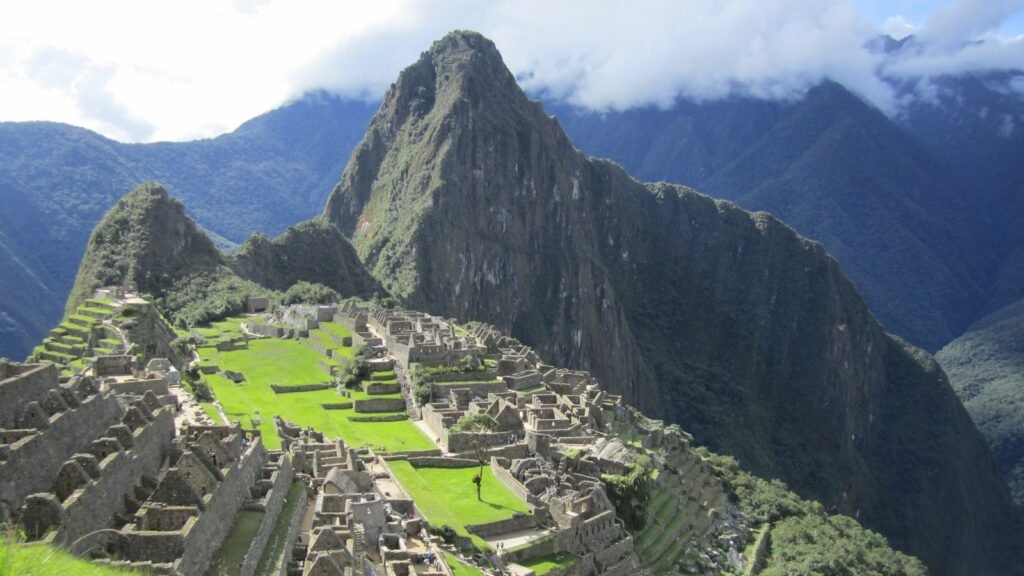
Machu Picchu is the Inca citadel high above the Urubamba River, and it is usually visited by train from Ollantaytambo or Cusco to the town of Aguas Calientes, then by a short bus ride up the hill. Entry is controlled through official tickets, timed entry and fixed visiting routes, so plan this part of the trip first.
Arequipa, Lake Titicaca and the Colca Canyon make up Peru’s southern highlands, with a white-stone colonial city, a high lake and one of the world’s deepest canyons. Canadian advice names Cusco, Puno, Lake Titicaca and the Colca Canyon as areas where altitude can change quickly. These suit travelers with more time.
The Amazon and the coasts are further options. Puerto Maldonado and Iquitos are common gateways to the rainforest, while the south coast has Paracas and the Ballestas Islands, and the north has the beaches around Máncora. Canadian advice also warns that armed thieves have targeted tourist boats on the Amazon River, so use only reputable operators.
Areas to avoid. Canadian advice says to avoid all travel to the VRAEM, the valley of the Apurímac, Ene and Mantaro rivers, and to avoid non-essential travel to the Upper Huallaga River Valley and to areas close to the borders with Colombia and Ecuador. Check the current advice before choosing any route away from the main tourist circuit.
How Many Days Do You Need?
7 days is enough for Lima, Cusco and a quick visit to Machu Picchu, but it is rushed, especially with altitude. 10 days works well for Lima, Cusco, the Sacred Valley and Machu Picchu without feeling too hurried. 14 days lets you add Arequipa, Lake Titicaca or the Colca Canyon, or a few days on the coast or in the Amazon.
Because flights between Lima and Cusco are short, but the mountain stretches are slow, Peru rewards a route with a small number of bases. Adding days to the Cusco area is usually a better use of time than adding more distant stops.
Getting Around Peru
Domestic flights are the best way to cover long distances. Flights from Lima to Cusco take roughly an hour and a quarter to an hour and a half, while the bus takes more than 20 hours. Book early for the best fares and check your baggage allowance on budget airlines. Canadian advice warns that intercity buses carry risks such as speeding, poor maintenance and armed robberies, and recommends avoiding night travel.
Trains to Machu Picchu. PeruRail and Inca Rail run services to Aguas Calientes, the town below Machu Picchu. The ride from Ollantaytambo takes roughly an hour and a half, and from Cusco it takes longer, partly because the road to Ollantaytambo takes about two hours. Canadian advice notes that strikes, demonstrations and derailments can disrupt rail services, so keep some flexibility in your plans.
Taxis and local transport. Canadian advice says licensed taxis in Peru are not metered, and recommends using authorized taxis or reputable apps, confirming the fare in advance and avoiding street hails. Express kidnappings involving fake or gang-linked taxi drivers have been reported. From Lima’s airport to Miraflores, the ride typically takes about 30 to 45 minutes, depending on traffic.
Mountain roads are dangerous, especially at night, so avoid driving after dark and consider hiring a driver instead of renting a car.
Costs and Budgeting
Peru’s currency is the sol (PEN). Costs vary widely between a hostel in Cusco, a boutique hotel in Lima and a guided multi-day trek. Machu Picchu and the train are usually the biggest single costs on a first trip, and prices rise in the June to August peak.
Cash and cards. Cards are widely accepted in hotels and larger restaurants, but cash is common for small purchases, markets and taxis, so carry small notes. Canadian advice warns about counterfeit currency, so change money at banks or authorized exchange houses and use ATMs inside banks or shopping centers.
Tickets to plan for. Machu Picchu tickets are sold online through the official ticket platform, and prices depend on the circuit and route. In Cusco, many visitors buy the Boleto Turístico, a combined ticket for several sites, which is commonly quoted at around 130 soles for foreign visitors, but prices and coverage change, so confirm them locally. Restaurants often add a service charge of about 10 percent, so check the bill before adding a tip.
Food and Dining
Food is a major reason to visit Peru, and the cooking varies with the region.
Ceviche, raw fish cured in citrus with chili and served with sweet potato and corn, is the best-known dish, and UNESCO added Peruvian ceviche practices to its list of intangible cultural heritage in 2023. Other favorites include lomo saltado, a stir-fry that reflects Chinese-Peruvian cooking, ají de gallina, a creamy chicken dish, and Andean specialties such as rocoto relleno in Arequipa. Popular drinks include the pisco sour and the purple corn drink chicha morada.
Eat ceviche earlier in the day at a busy restaurant, choose places with a lot of local customers, and be selective with raw salads and unpeeled fruit if you have a sensitive stomach. Canadian advice also warns that snacks and drinks can be spiked, so never accept food or drinks from strangers.
What to Know Before You Go
Entry requirements. Canadian advice says a passport must be valid for at least six months after arrival, and that visas are not required for tourist stays under 90 days in a 365-day period. Other sources mention longer maximum stays, so confirm the length you are given with the Peruvian immigration authority (Migraciones) and your own government’s advice. Peru uses a digital entry record, and you can check your authorized stay online. Officials may ask for a return or onward ticket, proof of accommodation and proof of funds.
Health. Altitude is the biggest health issue for most visitors. Canadian advice says the risk begins at 2,500 meters, and high-altitude illness can be serious. Rest on arrival in Cusco, drink water and avoid heavy alcohol, and ask a doctor about medication before you go. Dengue is present in some areas, and malaria and yellow fever risks depend on the region, with yellow fever vaccination recommended depending on your itinerary but not required for entry. Check the CDC’s Peru travel health page and see a travel clinic well before you leave.
Safety. Canada’s current advice is to exercise a high degree of caution because of high levels of crime, social conflict and strikes. It says a state of emergency is in effect in Lima, Callao and other provinces, and warns about petty crime in Lima, Cusco, Arequipa and Puno. Protests and strikes can disrupt transport at short notice. Read the full Government of Canada travel advice for Peru before you book, and avoid ayahuasca and similar ceremonies, which the advice describes as unregulated and linked to serious illness and deaths.
Machu Picchu rules. The official Machu Picchu site lists strict conduct rules, including a limit on bag size (40 by 35 by 20 centimeters), no food, no walking sticks, umbrellas or tripods, no drones, and no heels or hard-soled shoes. Check the official site and ticket platform for the current circuits, visiting hours and entry rules before you book.
Practical details. Spanish is the main language, and English is less widely spoken outside tourism businesses. Many sources give the electricity as 220 volts with Type A and Type C sockets, so check your devices and bring an adapter if needed.
Suggested First-Time Peru Itinerary
For travelers with around 10 days, Lima, Cusco, the Sacred Valley and Machu Picchu create a practical first-time route that combines food, Inca history and mountain scenery. For a full day-by-day plan, see our 10 day Peru itinerary.
Days 1–2: Lima. Arrive, explore the historic center and the coastal districts of Miraflores and Barranco, and try ceviche.
Days 3–8: Cusco, the Sacred Valley and Machu Picchu. Fly to Cusco and take the first days slowly, then visit the Inca sites around the Sacred Valley and spend a night near Machu Picchu so you can visit with a timed ticket.
Days 9–10: back to Lima. Fly back to Lima for a last day and your departure.
If you have 14 days, add Arequipa and the Colca Canyon, or the coast, rather than adding more mountain transfers. With only 7 days, focus on Cusco and Machu Picchu and skip the rest.
The best Peru itinerary is not the one that covers the most destinations. It is the one that gives you enough time to adjust to the altitude and to experience the contrast between the coast, the Andes and the Inca heartland.
Peru Travel FAQ
Do I need a visa to visit Peru?
Canadian travel advice says visas are not required for tourist stays under 90 days in a 365-day period, but the rules depend on your nationality. Confirm them with Peru’s immigration authority and your own government before you book.
What is the best time to visit Peru?
The Andes, including Cusco and Machu Picchu, are generally driest from about May to October, with June to August the busiest months. The Lima coast is sunniest from roughly December to March.
How many days do you need in Peru?
Ten days is enough for Lima, Cusco, the Sacred Valley and Machu Picchu without rushing. Seven days works for Cusco and Machu Picchu alone, and fourteen days lets you add Arequipa or the coast.
Is Peru safe for tourists?
Canada’s advice is to exercise a high degree of caution because of crime, social conflict and strikes. Most visitors stay in established tourist areas, use authorized taxis and keep valuables out of sight. Read the full advisory before you go.
Do I need to book Machu Picchu in advance?
Yes. Entry is controlled by timed tickets sold through the official ticket platform, so book your ticket, your train and your hotel in Aguas Calientes before you finalize the rest of the trip.
Final Thoughts on This Peru Travel Guide
Peru offers enough variety that a first trip should be treated as an introduction rather than an attempt to see the whole country.
For a first visit, focus on Lima and the Cusco region, book Machu Picchu and your trains early, allow time for the altitude and check official advice close to your travel dates. Arequipa, Lake Titicaca, the Amazon and the coasts can fill a longer trip.
Use this Peru travel guide as a starting point, then adjust the route to match your time, interests and comfort level with planning.
If you’re comparing destinations in Latin America, you may also want to read our Colombia travel guide and Mexico travel guide.
Explore more destination guides on TravelingInformed.