
This Colombia travel guide is designed to help you decide where to go, when to visit, and how to plan a realistic first trip.
Colombia is the only country in South America with coastlines on both the Caribbean Sea and the Pacific Ocean, and it packs high Andean cities, coffee-growing mountains, colonial ports, rainforest, deserts, and a rich food and music culture into one trip. Colombia’s official Colombia tourism site highlights destinations such as Cartagena, Bogotá, and San Andrés Island, but the country is much bigger and more varied than most first-time visitors expect.
The main planning challenges are altitude, distance, and safety. Bogotá sits at about 2,600 meters, mountain roads make overland travel slow, and conditions vary a lot between regions. The good news is that most first-time visitors stick to a small set of well-traveled areas, where tourism infrastructure is strong and domestic flights are short. For a first visit, choosing two or three bases, such as Bogotá, Medellín, and Cartagena, usually creates the best balance.
Is Colombia Right for Your Trip?
Colombia is a strong choice for travelers who want coffee, food, music, colonial architecture, mountain scenery, and Caribbean beaches in the same trip, and who are comfortable doing a little extra planning.
Bogotá is the high-altitude capital, with a historic center, major museums, and a fast-growing food scene. Medellín is a mountain city known for its mild climate, its metro and cable-car system, and its neighborhoods that have changed enormously in recent decades. Cartagena is a walled colonial port on the Caribbean coast, famous for its old town, forts, and warm, humid weather. Beyond those three, the Coffee Region, the Santa Marta and Tayrona area, and islands such as San Andrés offer very different experiences.
Colombia may not be the right fit if you want a trip with no safety planning at all. Crime levels are high in some areas, parts of the country are not suitable for visitors, and travel advice from governments is cautious. Visiting well-known areas with sensible precautions is what most travelers do, and the sections below explain what that looks like in practice.
Best Time to Visit Colombia
Colombia sits near the equator, so altitude matters more than the calendar. Bogotá and Medellín are cool to mild all year, while Cartagena and the Caribbean coast are hot and humid. What changes through the year is mostly the rain, which is why this Colombia travel guide looks at seasons by region.
The Andes (Bogotá, Medellín, and the Coffee Region) are generally driest from about December to February, with a second, shorter dry spell in July and August. The main rainy seasons run roughly from March to June and from September to November, and October and November are often the wettest. Canadian travel advice warns that heavy rain in those periods can cause flooding and mudslides, so build flexibility into any plans for mountain roads and trails.
The Caribbean coast, including Cartagena and Santa Marta, is typically driest from December to April, with heavier rain beginning around May. San Andrés and Providencia usually stay dry until about May. Hurricane season runs from June to November, and Canadian advice lists it as a seasonal risk, so check forecasts if you are heading to San Andrés or Providencia in those months.
Plan around closures and holidays. Tayrona National Park has had scheduled closures of roughly two weeks several times a year. In 2026 these were February 1–15, June 1–15, and October 19 to November 2, under a resolution from Colombia’s national parks authority. Closure dates can change, so check before booking anything near the park. Colombia also has many public holidays that create long weekends, when beaches, roads, and flights get busy and prices rise, and big events such as the Barranquilla Carnival in February or early March, Holy Week, and Christmas draw crowds. For a balanced trip, late January to March suits the Andes and the coast, while June and July are good for fewer crowds in the cities.
Where to Go in Colombia
Bogotá is usually the arrival point. Spend time in La Candelaria, the old center, and visit the Gold Museum, which is one of the country’s best-known museums. Many visitors also take a day trip to the Zipaquirá Salt Cathedral, built inside a salt mine north of the city. Take the first day slowly, because the altitude can cause headaches and fatigue.
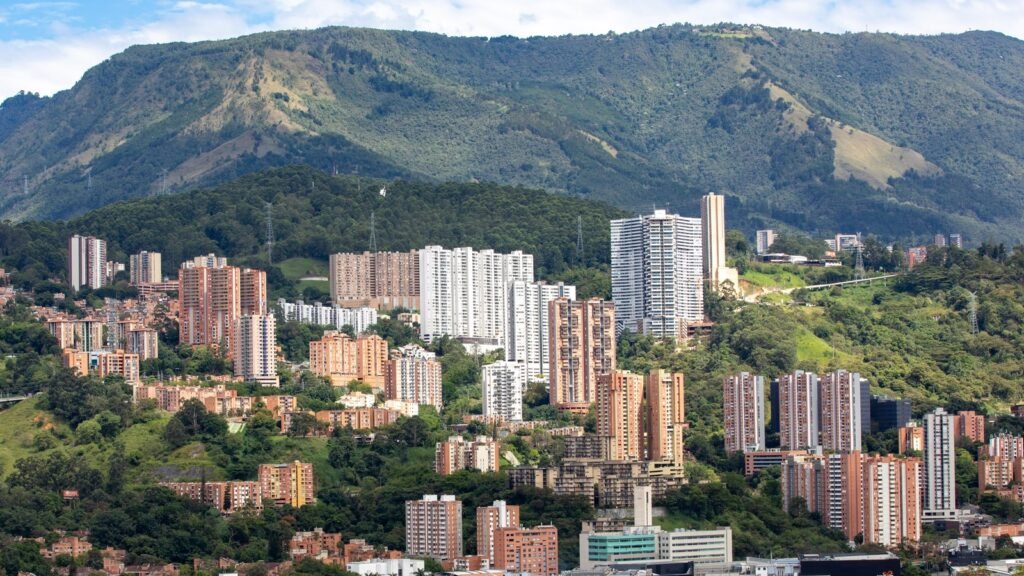
Medellín is a green, mountain-ringed city with a mild climate. Popular activities include riding the metro and cable cars, visiting the Botanical Garden and Plaza Botero, and taking a guided walk in Comuna 13, a neighborhood known for its street art and community-led tours. The nearby town of Guatapé and its huge rock, El Peñol, make an easy day trip. The city’s flower festival takes place each August.
Cartagena is the classic Caribbean stop. The UNESCO-listed walled city has colorful colonial streets, plazas, and the San Felipe de Barajas fortress, and nearby Getsemaní adds a more local, lively atmosphere. Expect heat and humidity, and plan walking for the early morning and evening. Boat trips to the Rosario Islands are a popular day out.
The Coffee Region, known in Spanish as the Eje Cafetero, is a landscape of coffee farms, green hills, and small towns. UNESCO recognizes the Coffee Cultural Landscape of Colombia, and towns such as Salento serve as bases for farm visits and the tall wax palms of the Cocora Valley. There is no airport in Salento, so most visitors fly into Pereira or Armenia, each about an hour away by bus.
Santa Marta, Tayrona, and the Sierra Nevada make up the northern coastal mountain area, with beaches, jungle trails, and the multi-day Ciudad Perdida trek. The trek can only be done with a small number of authorized tour operators, and independent hiking is not allowed. Check the closure calendar and vaccination advice before planning.
San Andrés and Providencia are Caribbean islands off Colombia’s coast, reached by air, and are known for clear water and a different, island culture. Canadian advice currently lists only normal security precautions for these islands. Cali, known for salsa, can also be visited, although it sits in a region where many surrounding areas are subject to advisories, so check current guidance before going.
Areas most visitors should skip. Several border regions and remote departments are subject to strong government warnings, including parts of Cauca, Norte de Santander, Arauca, and Chocó, and areas close to the Venezuelan, Ecuadorian, and Panamanian borders. See the safety section below and your own government’s advice before choosing a route.
How Many Days Do You Need?
7 days is enough for two bases, such as Bogotá plus Cartagena, or Medellín plus Cartagena, with one flight between them. 10 days works well for Bogotá, Medellín, and Cartagena without feeling rushed. 14 days lets you add the Coffee Region and the Santa Marta and Tayrona area, or a few days on San Andrés.
Because mountain roads are slow and flights between major cities are short, Colombia rewards a route built around flying between a few bases instead of covering long distances by road. Adding days to one destination is usually a better use of time than adding another transfer.
Getting Around Colombia
Domestic flights are the best way to cover long distances. Flights from Bogotá to Medellín take about an hour, and Medellín to Cartagena takes roughly an hour and a quarter. By road, the same Bogotá to Medellín journey is often 9 to 12 hours, depending on traffic and weather, so most visitors fly. Book early for the best fares and check your baggage allowance, because budget fares often include very little luggage.
Airport transfers are straightforward but vary by city. Medellín’s main airport, José María Córdova, is in the town of Rionegro, about 35 kilometers and roughly 30 to 45 minutes from the city, and the metro does not reach it. Cartagena’s airport is close to the old town, usually around 20 minutes by car. Use official airport taxi ranks or a transfer arranged through your accommodation, and avoid people who approach you inside the terminal.
Taxis and apps. Canadian advice warns about express kidnappings and assaults involving unlicensed street taxis, and recommends reputable taxi services or ride-sharing apps. Ride-hailing apps operate in Colombian cities, although their legal status has been debated, and registered taxi apps are also common. Government advice is cautious about public transportation in general, mainly because of theft on buses, so keep valuables out of sight if you use it. Many visitors still ride the Medellín Metro and Bogotá’s TransMilenio, which need a rechargeable card.
Driving and overland travel. Official advice recommends avoiding night driving and secondary roads, and strikes or protests can close major routes, including the main road to Tayrona. For the Coffee Region, there is no direct bus from Bogotá to Salento, so overland travel takes roughly 9 to 13 hours with a transfer, and flying into Pereira or Armenia is easier.
Costs and Budgeting
Colombia uses the Colombian peso (COP). Exchange rates move, so check a current rate rather than relying on a number in any guide. Costs vary widely between a hostel in Medellín, a boutique hotel in Cartagena’s walled city, and a guided multi-day trek, and prices rise sharply during holiday weekends and the December to March peak.
Cash and cards. Cards are widely accepted in hotels, chain restaurants, and larger tour operators in the main tourist areas, while street food, small shops, and taxis are usually cash. ATMs are common in cities and rare in small villages, and using machines inside banks or shopping centers is safer than street ATMs. Carry small bills for tips and small purchases.
Tipping. Many sit-down restaurants add a voluntary 10 percent service charge (propina) to the bill, which you can ask to have removed if service was poor. Tipping taxi drivers is not customary, and rounding up is common.
Fees to plan for. Canadian advice states that an entry fee is payable on arrival, that it is updated annually, and that some travelers are exempt, for example those going to San Andrés, Providencia, and Santa Catalina. Confirm the current amount and exemptions with the official Migración Colombia Check-Mig page before you travel. National park fees, such as those for Tayrona, are set each year by the park authority.
Food and Dining
Colombian food is regional, and eating your way through the country is a highlight. Look for a few signature dishes rather than a single national cuisine.
In the Andes, try ajiaco, a Bogotá chicken and potato soup, and bandeja paisa, the hearty platter from the Medellín region with beans, rice, meat, plantain, and egg. Arepas (grilled corn cakes), empanadas, and tamales appear everywhere, and hot chocolate is often served with cheese. On the Caribbean coast, expect fried or grilled fish, coconut rice, and plenty of seafood. Fresh fruit juices made with fruits such as lulo, passion fruit, and soursop are excellent and worth trying.
Coffee deserves its own mention. A small black coffee called a tinto is a daily habit, and visiting a coffee farm in the Coffee Region is an easy way to learn how it is grown and processed. Tap water in Bogotá is officially potable and many locals drink it, though it can taste of chlorine, and water quality can depend on the building. If you have a sensitive stomach, drink filtered or bottled water, especially in smaller towns.
What to Know Before You Go
Entry requirements. Citizens of many countries, including Canada, the United States, the United Kingdom, and EU countries, can enter Colombia for tourism without a visa. Canadian advice says tourist stays are allowed for up to 90 days, with extensions possible up to 180 days per calendar year. Your passport should be valid for your whole stay, and some airlines are stricter than the rule, so check with your airline. Rules depend on your nationality, so confirm yours with the official Migración Colombia Check-Mig page and your local Colombian embassy.
Check-Mig. Canadian advice says travelers must complete a free online immigration form called Check-Mig, within 72 hours to 1 hour before boarding a flight to Colombia or entering by land, sea, or river. Use only the official Colombian government site, because look-alike sites may charge fees, and check with your airline whether it will ask for the confirmation at check-in. Airlines may also ask to see proof of onward travel.
Health. Altitude is a real consideration in Bogotá, so rest on arrival, drink water, and avoid heavy alcohol on the first day. Dengue, Zika, and chikungunya are present, so use insect repellent. Yellow fever is a risk in parts of the country, so vaccination is recommended depending on your itinerary, and proof of vaccination is required only for travelers arriving from certain countries (Canadian advice names Angola, Brazil, the Democratic Republic of the Congo, and Uganda). Check the CDC’s Colombia travel health page and speak to a travel clinic well before you go. Medical care quality varies, private clinics often require payment upfront, and travel insurance that covers medical evacuation is strongly advised.
Safety. Canada’s current advice is to exercise a high degree of caution, mainly because of crime, with regional warnings. The U.S. State Department’s Colombia advisory also lists regional restrictions, and advisory levels change, so check your own government’s current advice. Common risks include scopolamine drugging (never leave drinks or food unattended or accept them from strangers), express kidnappings from street taxis, card skimming, fake police, and dating-app robberies targeting foreigners. Locals often say “no dar papaya,” meaning don’t make yourself an easy target, so avoid displaying phones and jewelry, stay in busy areas at night, and use registered taxis or apps. Protests can become violent and should be avoided.
Earthquakes and natural hazards. Colombia is seismically active. According to Canadian travel advice, a magnitude 7.4 earthquake struck near San José de Palmar in Chocó on August 10, 2026, and damage was reported in several cities, including Bogotá, Cali, Manizales, and Pereira. Check the latest Government of Canada travel advice for Colombia for current conditions and any disruption to your route.
Practical details. Spanish is the main language, and English is less widely spoken outside tourism businesses, so basic Spanish helps. Electricity is 110 volts at 60 hertz, with Type A and Type B plugs, and most phone and laptop chargers work with a simple plug adapter. Colombia uses the UTC−5 time zone all year.
Suggested First-Time Colombia Itinerary
For travelers with around 10 days, Bogotá, Medellín, and Cartagena create a practical first-time route that combines history, mountain scenery, coffee culture, and the Caribbean coast. For a full day-by-day plan, see our 10 day Colombia itinerary.
Days 1–3: Bogotá. Arrive, take it easy at altitude, then explore La Candelaria, the Gold Museum, and a viewpoint over the city. Add the Zipaquirá Salt Cathedral if you have time.
Days 4–6: Medellín. Fly to Medellín for the metro and cable cars, Comuna 13, the Botanical Garden, and a day trip to Guatapé.
Days 7–10: Cartagena. Fly to the coast for the walled city, Getsemaní, the San Felipe fortress, and a boat trip to the Rosario Islands.
If you have 14 days, add the Coffee Region between Medellín and the coast, or a few days around Santa Marta and Tayrona, checking the closure calendar first. With only 7 days, focus on two bases and skip the rest rather than adding more transfers.
The best Colombia itinerary is not the one that covers the most destinations. It is the one that gives you enough time to experience the contrast between the Andes, the coffee hills, and the Caribbean coast.
Colombia Travel FAQ
Do I need a visa to visit Colombia?
Citizens of many countries, including Canada, the United States, the United Kingdom and EU countries, can visit for tourism without a visa. Canadian advice says tourist stays are allowed for up to 90 days, with extensions possible up to 180 days per calendar year. Rules depend on your nationality, so confirm yours before you travel.
What is Check-Mig and do I need to complete it?
Check-Mig is a free online immigration form. Canadian advice says travelers must complete it between 72 hours and 1 hour before boarding a flight to Colombia or crossing a land, sea or river border. Use only the official Colombian government site, because look-alike sites may charge fees.
What is the best time to visit Colombia?
Altitude matters more than the calendar. The Andes, including Bogotá and Medellín, are generally driest from about December to February, with a shorter dry spell in July and August. The Caribbean coast, including Cartagena, is typically driest from December to April.
How many days do you need in Colombia?
Ten days works well for Bogotá, Medellín and Cartagena without feeling rushed. Seven days is enough for two bases, and fourteen days lets you add the Coffee Region, the Santa Marta and Tayrona area, or a few days on San Andrés.
Is Colombia safe for tourists?
Canada’s advice is to exercise a high degree of caution, mainly because of crime, with regional warnings. Most visitors stick to well-traveled areas, use registered taxis or ride-hailing apps, keep phones and jewelry out of sight and never leave drinks unattended. Read the full advisory before you go.
Final Thoughts on This Colombia Travel Guide
Colombia offers enough variety that a first trip should be treated as an introduction rather than an attempt to see the whole country.
For a first visit, focus on two or three well-established destinations, fly between them, and check official advice close to your travel dates. Bogotá adds history and altitude, Medellín adds mountain-city energy, Cartagena adds the Caribbean, and the Coffee Region and the north coast can fill a longer trip.
Use this Colombia travel guide as a starting point, then adjust the route to match your time, interests, and comfort level with planning.
If you’re comparing destinations in Latin America, you may also want to read our Mexico travel guide.
Explore more destination guides on TravelingInformed.