
This Vietnam travel guide is designed to help you decide where to go, when to visit, and how to build a realistic first-time itinerary.
Vietnam combines busy cities, historic old quarters, imperial monuments, limestone landscapes, rice terraces, beaches, river life, markets, and one of the most distinctive food cultures in Asia. Hanoi and Ho Chi Minh City are the main gateways, while Ha Long Bay, Ninh Binh, Hue, Hoi An, Da Nang, and the Mekong Delta can create very different trips.
The main planning challenge is distance. Vietnam stretches roughly 1,650 kilometres from north to south, and its northern, central, and southern regions often have different weather at the same time of year. Trying to cover the entire country in a short trip can turn a vacation into a series of airports and long transfers.
For a first visit, Hanoi plus central Vietnam, with Ho Chi Minh City added if you have two weeks, usually creates a strong balance. Vietnam’s official tourism organization highlights the country’s cities, heritage sites, natural landscapes, coastline, and regional food.
Is Vietnam Right for Your Trip?
Vietnam is a strong choice for travelers who want a combination of food, history, culture, dramatic scenery, beaches, cities, and good value for money.
Hanoi offers the Old Quarter, lakes, temples, French-colonial architecture, museums, street food, and coffee culture. It is also the natural base for Ha Long Bay and Ninh Binh, two of the country’s best-known landscapes.
Central Vietnam provides a very different experience. Hue was the imperial capital of the Nguyen dynasty, Hoi An is known for its preserved trading-port old town and tailors, and Da Nang adds a modern city with long beaches and easy flight connections.
Ho Chi Minh City brings a faster, more commercial energy, with markets, museums, rooftop bars, and some of the country’s most varied dining. It is also the gateway to the Mekong Delta, where rivers, canals, orchards, and floating markets shape daily life.
For most first-time visitors, Hanoi + central Vietnam + Ho Chi Minh City provides enough variety without trying to cover every region.
Best Time to Visit Vietnam
Because Vietnam is so long, there is no single best month for the whole country. The north, centre, and south follow different seasonal patterns, which is why this Vietnam travel guide looks at the weather region by region.
Northern Vietnam, including Hanoi, Ha Long Bay, Ninh Binh, and Sapa, is generally most comfortable from October to April. December to February can feel surprisingly cool and damp, especially in the mountains, while May to September is hot, humid, and rainier.
Central Vietnam, including Hue, Hoi An, and Da Nang, is generally drier and sunnier from about February to August. Heavy rain and flooding are more likely from September or October through December, and the Government of Canada notes that the central rainy season can bring flooding.
Southern Vietnam, including Ho Chi Minh City, the Mekong Delta, and Phu Quoc, has a dry season from roughly December to April and a rainy season from around May to November, when afternoon downpours are common but often short.
Typhoon season runs from roughly June to December, so travelers should watch forecasts when visiting coastal areas during that period.
For a classic first trip combining Hanoi, central Vietnam, and Ho Chi Minh City, roughly February to April is generally the easiest period to plan around, because conditions are reasonable in all three regions.
Where to Go in Vietnam
Vietnam is easier to plan when you choose destinations that provide genuinely different experiences.
Hanoi is the natural starting point in the north. It combines the Old Quarter, Hoan Kiem Lake, temples, museums, street food, coffee shops, and a strong sense of everyday city life.
Ha Long Bay is famous for thousands of limestone islands and karst formations rising from the water, and it is part of a UNESCO World Heritage site. Overnight cruises are popular, although day trips are possible from Hanoi.
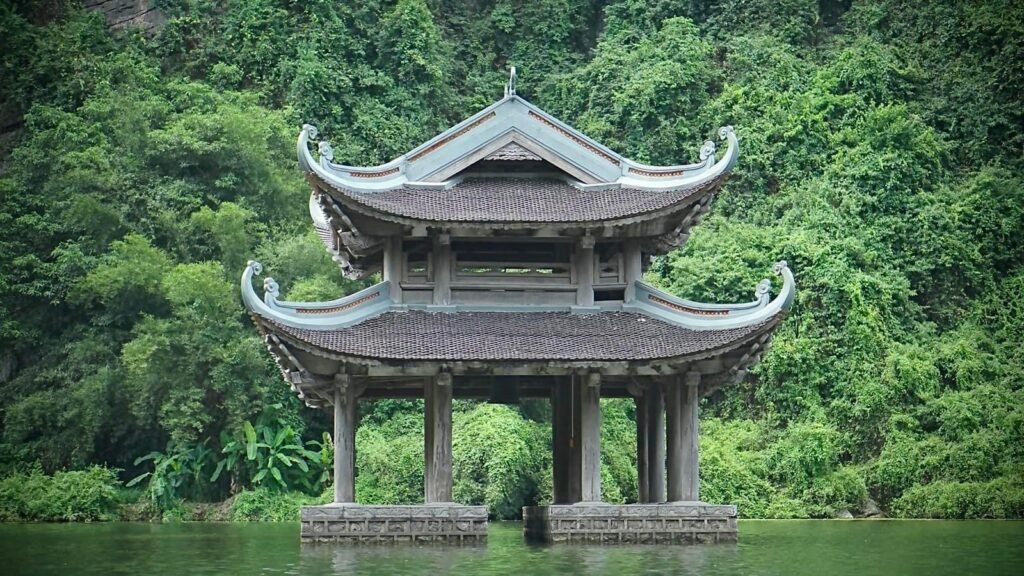
Ninh Binh offers similar limestone scenery on land, with rivers, rice fields, caves, and pagodas. The Trang An landscape complex is also UNESCO-listed and works well as a day trip or a quieter overnight stay.
Hue suits travelers interested in history, with the imperial citadel, royal tombs, pagodas, and the Perfume River.
Hoi An is one of the most popular stops in the country, known for its UNESCO-listed old town, lanterns, riverside setting, tailors, food, and nearby beaches.
Da Nang works well as a base for beaches, the Marble Mountains, and the scenic Hai Van Pass, and its airport makes central Vietnam easy to reach.
Ho Chi Minh City is the main gateway in the south, with markets, museums, colonial landmarks, nightlife, and access to the Cu Chi Tunnels and the Mekong Delta.
Travelers wanting mountains can add Sapa, while those looking for island time can consider Phu Quoc.
For most first trips, Hanoi + Ha Long Bay or Ninh Binh + Hoi An + Ho Chi Minh City creates a strong introduction.
How Many Days Do You Need?
Vietnam rewards having enough time to slow down because even with frequent domestic flights, moving between the north, centre, and south still takes time.
A practical starting point is:
- 7 days: Hanoi + Ha Long Bay or Ninh Binh, or central Vietnam on its own
- 10 days: Hanoi + Ha Long Bay or Ninh Binh + Hoi An and Da Nang
- 14 days: Hanoi + Ha Long Bay or Ninh Binh + Hue + Hoi An + Ho Chi Minh City and the Mekong Delta
A 14-day trip is enough to experience the north, centre, and south without changing hotels every day or two.
For a first visit, avoid trying to combine Hanoi, Sapa, Ha Long Bay, Ninh Binh, Hue, Hoi An, Nha Trang, Dalat, Ho Chi Minh City, the Mekong Delta, and Phu Quoc in one short trip.
The goal is not to see the entire country. It is to give yourself enough time to experience northern Vietnam, the historic centre, and the energy of the south.
Getting Around Vietnam
Vietnam offers a mix of domestic flights, trains, buses, boats, taxis, and ride-hailing apps, and the best combination depends on your itinerary.
For long distances, domestic flights are usually the fastest option. Hanoi, Da Nang, and Ho Chi Minh City are well connected, and flying between them can save a full day compared with overland travel.
The north–south railway is slower but can be part of the experience. The stretch between Hue and Da Nang, which follows the coast and the Hai Van Pass area, is particularly scenic, and overnight trains are a classic option for some routes.
Sleeper buses are widely used and inexpensive, but they are less comfortable than trains or flights for longer journeys.
In cities, ride-hailing apps such as Grab make it easy to get around with clear pricing. Hanoi and Ho Chi Minh City have urban rail lines, but their coverage is still limited, so most visitors combine walking, ride-hailing, and taxis.
Motorbikes are everywhere in Vietnam, but renting one is not a good idea for most visitors. The Government of Canada describes road safety as poor and notes that a valid Vietnamese licence is required for motorbikes of 50 cc or more. Many travel insurance policies also exclude unlicensed riding.
For most first trips, the simplest approach is ride-hailing within cities, domestic flights between regions, and private transfers or organized tours for places such as Ha Long Bay and Ninh Binh.
Costs and Budgeting
Vietnam can accommodate a broad range of budgets, and many travelers find that it offers excellent value. Costs still vary significantly by destination, season, accommodation style, transportation, and dining choices.
A practical way to control spending is to focus on three areas:
- Accommodation: cities and towns offer everything from simple guesthouses to luxury hotels, while Ha Long Bay cruises and beach resorts can raise costs quickly.
- Transportation: domestic flights save time, while trains and buses can be cheaper when your schedule allows.
- Meals: street food, markets, and casual local restaurants make it possible to eat very well without relying on expensive restaurants.
Travelers should also budget separately for Ha Long Bay cruises, guided tours, attraction admissions, airport transfers, tailoring in Hoi An, and domestic flights booked close to travel dates.
The local currency is the Vietnamese dong (VND). Cards are widely accepted in hotels, malls, and many restaurants in larger cities, but cash remains useful for markets, street food, and smaller businesses. The large denominations are easy to confuse at first, so it helps to check notes carefully before paying.
We have deliberately left out a fixed “Vietnam costs ₫X per day” figure. Hanoi, Hoi An, Ho Chi Minh City, island resorts, and luxury cruises can produce dramatically different budgets.
Food and Dining
Food is one of the strongest reasons to travel around Vietnam because cuisine changes noticeably from north to south.
Vietnam’s official tourism site highlights the country’s regional dishes and the many places to eat, from street stalls and markets to modern restaurants.
Hanoi is closely associated with pho and bun cha, while central Vietnam is known for bold, often spicier dishes such as bun bo Hue, cao lau, and mi Quang. Southern cooking tends to be sweeter and herb-heavy, with dishes such as com tam, banh xeo, and fresh spring rolls, and the Mekong Delta adds tropical fruit and river fish.
A few practical habits can improve the experience:
- Look for regional specialties rather than ordering the same familiar dishes everywhere.
- Try markets, street-food stalls, and busy local restaurants where food is cooked fresh.
- Make time for Vietnamese coffee, from iced coffee with condensed milk to Hanoi’s egg coffee.
- Be particularly careful about allergies, because fish sauce, peanuts, and shrimp paste are common and are not always obvious.
The Government of Canada also recommends food and water precautions and warns against unregulated alcohol, which has caused methanol poisoning.
Vietnamese cuisine goes far beyond pho and banh mi. Noodle soups, grilled meats, rice dishes, fresh herbs, seafood, regional specialties, desserts, and coffee all form part of the experience.
What to Know Before You Go
A little preparation can make a first trip to Vietnam much easier, and these are the points from this Vietnam travel guide worth checking before you book.
Entry requirements: Canadian citizens traveling on a regular passport currently need a visa for tourism. Canadians can apply online for an electronic visa (e-visa) that is valid for up to 90 days, with single- or multiple-entry options, through Vietnam’s official e-visa portal. Your passport must be valid for at least six months beyond your planned departure, and you must enter through the port of entry listed on your approval. Entry rules can change, so travelers should verify current requirements before departure.
Use the official e-visa site. Many unofficial websites offer to process Vietnamese visas for an extra fee. Apply through the official Immigration Department portal unless you knowingly choose an agent.
Be aware of current travel advisories. As of October 2026, the Government of Canada advises travelers to take normal security precautions in Vietnam, the lowest of its four advisory levels, while noting petty crime such as bag snatching in busy areas, poor road safety and weather-related hazards. Travelers should check the advisory again close to departure because conditions can change.
Plan around Tet. Tet, the Lunar New Year, is Vietnam’s most important holiday and usually falls in late January or February. It is a fascinating time to visit, but transportation fills up, prices rise, and many businesses close for several days.
Respect local customs and laws. Modest clothing is appropriate at temples and pagodas. Vietnam also has strict laws, including severe drug penalties and a ban on e-cigarettes and vaping products.
Protect your health. Dengue is present in Vietnam, so use insect repellent, and speak with a health professional about recommended vaccines before you travel. Travel insurance is essential because medical care varies outside the largest cities.
The practical lesson is simple: Vietnam is rewarding and relatively easy to travel through once you understand the e-visa process, regional weather, transportation, and local customs.
Suggested First-Time Vietnam Itinerary
For travelers with around 14 days, this Vietnam travel guide recommends Hanoi, central Vietnam, and Ho Chi Minh City as a practical first-time route.
Days 1–4: Hanoi and Ha Long Bay or Ninh Binh
Begin in Hanoi and spend a few days exploring the Old Quarter, Hoan Kiem Lake, temples, museums, street food, and coffee shops. Add an overnight Ha Long Bay cruise or a day in Ninh Binh for limestone scenery.
Days 5–6: Hue
Fly to Hue for the imperial citadel, royal tombs, pagodas, and the Perfume River. Hue is quieter than Hanoi and adds historical depth to the trip.
Days 7–10: Hoi An and Da Nang
Travel south by road or train via the Hai Van Pass area and spend several days in Hoi An. Explore the old town, food, tailors, and nearby beaches, with Da Nang close by for the Marble Mountains and more coastline.
Days 11–14: Ho Chi Minh City and the Mekong Delta
Fly to Ho Chi Minh City for markets, museums, food, and nightlife, then add a day trip or overnight stay in the Mekong Delta.
If you have only 10 days, focus on Hanoi, Ha Long Bay or Ninh Binh, and Hoi An, and save the south for another trip rather than adding more transfers. For a full day-by-day plan, see our 10 day Vietnam itinerary.
The best Vietnam itinerary is not the one that covers the most places. It is the one that gives you enough time to experience the differences between the north, the historic centre, and the south.
Vietnam Travel FAQ
Do I need a visa to visit Vietnam?
Canadians need a visa for tourism. Canada’s advice says an e-visa is available for regular Canadian passports, valid for up to 90 days with single or multiple entry, and it must be used at the port of entry listed on your approval. Your passport should be valid for at least six months beyond your planned departure. Apply only through Vietnam’s official e-visa portal, because many unofficial sites charge extra fees, and check the rules for your own nationality.
What is the best time to visit Vietnam?
It depends on the region, because the country is long. The north, including Hanoi and Ha Long Bay, is generally most comfortable from October to April, the central coast around Hoi An is drier from about February to August, and the south around Ho Chi Minh City is driest from December to April. For a trip covering all three, February to April is the easiest period, and typhoon season runs roughly from June to December.
How many days do you need in Vietnam?
Ten days works for Hanoi, Ha Long Bay or Ninh Binh, and Hoi An and Da Nang. Fourteen days lets you cover the north, centre and south, adding Hue, Ho Chi Minh City and the Mekong Delta. Seven days is enough for Hanoi plus Ha Long Bay or Ninh Binh, or for central Vietnam on its own.
Is Vietnam safe for tourists?
Canada’s current advice is to take normal security precautions. Pickpocketing and bag snatching are common in big cities and tourist areas, roads are poorly maintained, and Canada advises against riding motorcycles. Typhoons and monsoon flooding can occur, tainted alcohol has caused deaths, and e-cigarettes are illegal. Read the full advisory before you go.
When is Tet and how does it affect travel?
Tet, the Lunar New Year, is Vietnam’s most important holiday and usually falls in late January or February. It is a fascinating time to visit, but transportation fills up, prices rise, and many businesses close for several days.
Final Thoughts on This Vietnam Travel Guide
Vietnam offers enough variety that a first trip should be treated as an introduction rather than an attempt to see the entire country.
For a first visit, focus on Hanoi and one or two regions that provide something genuinely different. Hue and Hoi An add history and atmosphere, Ha Long Bay and Ninh Binh offer unforgettable landscapes, and Ho Chi Minh City and the Mekong Delta show a very different side of the country.
Use this Vietnam travel guide as a starting point, then adjust the route to match your time, interests, and travel style.
If you’re comparing Asian destinations, you may also want to read our Thailand travel guide, Japan travel guide, and South Korea travel guide.
Explore more destination guides on TravelingInformed.