
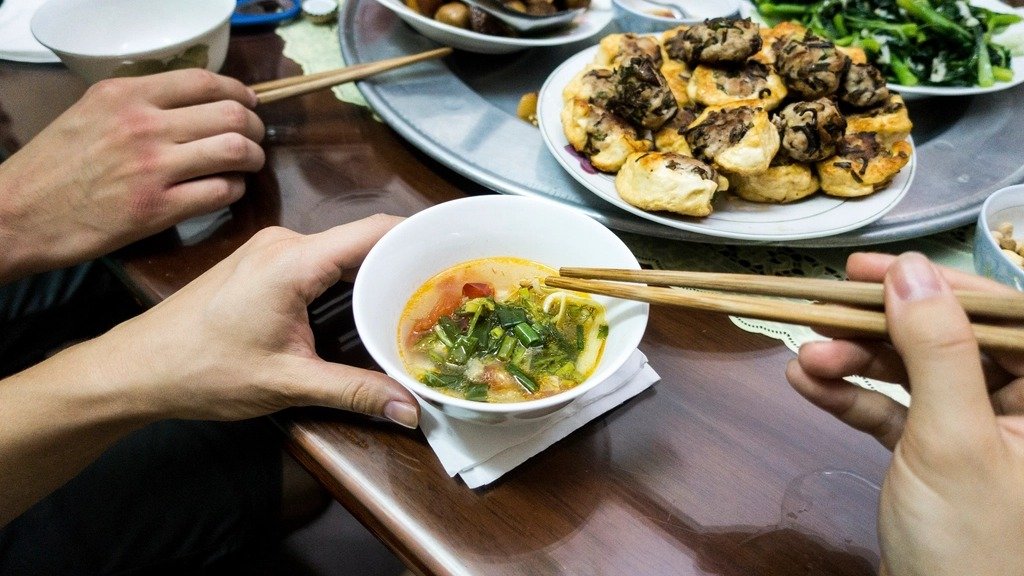
Knowing what to eat in Vietnam becomes much more interesting once you look beyond the two dishes most people already know. Pho and banh mi deserve their reputations, but they are only a small part of a cuisine built on fresh herbs, rice, noodles, grilled meats, seafood, fish sauce and carefully balanced flavours.
Food changes noticeably from the north to the centre and the south. Northern cooking tends to be subtle and savoury, central Vietnam is known for bold, spicier dishes shaped by its imperial past, and southern food is often sweeter, richer and generous with herbs and tropical produce.
Some of the most memorable meals in Vietnam come from a street stall with plastic stools, a family-run noodle shop, a busy market or a simple rice eatery. Understanding the regions, the street-food culture and a few local habits will help you eat far more widely than the usual tourist menu.
What to Eat in Vietnam: Start with the Regions
The easiest way to think about what to eat in Vietnam is to divide the country into three culinary regions: the north around Hanoi, the centre around Hue and Hoi An, and the south around Ho Chi Minh City and the Mekong Delta.
The same dish can also change from one region to another. A bowl of noodle soup, a crispy pancake or a plate of spring rolls may be named, seasoned and served differently depending on where you order it.
Rather than trying to find the “best” version of every famous dish, look for what each region does best and order it there. Vietnam’s official tourism site is also a useful source for regional food ideas.
Hanoi and Northern Vietnam
Northern Vietnam is often considered the home of some of the country’s most classic dishes. Flavours tend to be clean and savoury, with less sugar and chili than in other regions.
Pho
Pho is a noodle soup made with flat rice noodles and a long-simmered broth, usually with beef (pho bo) or chicken (pho ga). Hanoi-style pho is often simpler than the versions found abroad, with a clear broth and fewer garnishes. It is traditionally eaten for breakfast, although many shops serve it all day.
Bun Cha
Bun cha combines grilled pork patties and sliced pork with rice vermicelli, fresh herbs and a sweet-and-sour dipping sauce. It is one of Hanoi’s signature lunches and is best eaten at a busy local shop where the meat is grilled over charcoal.
Cha Ca
Cha ca is a Hanoi specialty of turmeric-marinated fish fried at the table with plenty of dill and spring onions, then served with rice noodles, peanuts and herbs. It is a good dish to share.
Banh Cuon
Banh cuon are delicate steamed rice rolls filled with minced pork and wood ear mushrooms, topped with fried shallots and served with a light dipping sauce. They are a popular breakfast and are often made fresh in front of you.
Xoi
Xoi is sticky rice served with toppings such as mung bean, fried shallots, shredded chicken, pork or eggs. It is an inexpensive, filling breakfast that is often sold from small stalls or baskets in the morning.
Hue and Central Vietnam
Central Vietnam is known for bold flavours, more chili and a long tradition of refined dishes linked to Hue’s history as the imperial capital.
Bun Bo Hue
Bun bo Hue is a rich, spicy beef noodle soup flavoured with lemongrass and shrimp paste, served with thick round rice noodles. It is one of the most satisfying soups in the country and is quite different from pho.
Banh Beo and Hue Rice Cakes
Hue is famous for small steamed rice cakes such as banh beo, often topped with dried shrimp and crispy pork skin. Several types are usually ordered together, which makes them a good way to sample the local cooking.
Com Hen
Com hen is a Hue dish of rice topped with baby clams, herbs, peanuts, crispy pork skin and a little chili and broth. It is a humble local favourite with a lot of texture and flavour.
Cao Lau
Cao lau is a Hoi An noodle dish with chewy noodles, slices of pork, fresh greens and crunchy croutons, served with only a little broth. It is closely associated with the town and is worth trying there.
Mi Quang
Mi Quang comes from Quang Nam province, which includes Hoi An. It features wide turmeric-tinted noodles, a small amount of rich broth, meat or shrimp, peanuts, herbs and a crispy rice cracker.
Com Ga
Hoi An-style chicken rice, or com ga, pairs rice cooked in chicken broth and turmeric with shredded chicken, herbs and a tangy dressing. It is simple, inexpensive and very popular.
Ho Chi Minh City and Southern Vietnam
Southern cooking tends to be sweeter and more abundant, with plenty of fresh herbs, coconut and tropical produce.
Com Tam
Com tam, or broken rice, is a classic Ho Chi Minh City meal. It is usually served with grilled pork, a slice of steamed egg-and-pork cake, pickled vegetables and fish sauce. Many locals eat it for breakfast or lunch.
Banh Xeo
Banh xeo is a crispy turmeric pancake filled with shrimp, pork and bean sprouts. You break off pieces, wrap them in lettuce and herbs, and dip them in sauce. Southern versions are often large and very crisp.
Hu Tieu
Hu tieu is a southern noodle soup with clear broth and a mix of pork, seafood or offal. It can be served with broth or “dry” with the soup on the side.
Mekong Delta Specialties
The Mekong Delta adds river fish, tropical fruit and coconut-based cooking. Ca kho to, fish caramelized in a clay pot, is a classic home-style dish, and the region’s markets are some of the best places to try fresh fruit.
Street Food, Markets and Rice Eateries
Street food is central to everyday life in Vietnam, and it is often the best answer to the question of what to eat in Vietnam. Many stalls specialize in a single dish, which is often a good sign that they make it well.
Street Stalls
Look for busy stalls with a steady turnover of local customers. Prices are often posted or easy to confirm before ordering, and sitting on low plastic stools is part of the experience.
Markets
Markets such as Ben Thanh in Ho Chi Minh City, Dong Ba in Hue and Hoi An’s central market have food sections where you can try several regional dishes in one place.
Com Binh Dan
Com binh dan eateries display a selection of cooked dishes, such as braised pork, stir-fried greens, tofu and soups, which you choose to eat with rice. They are an easy way to try everyday home-style cooking.
Vietnamese Dishes You Will See Across the Country
Banh Mi
Banh mi is a crisp baguette filled with ingredients such as pork, pâté, pickled vegetables, herbs and chili. It reflects the country’s French colonial history and is now found almost everywhere, with regional variations.
Fresh and Fried Spring Rolls
Goi cuon are fresh rice-paper rolls filled with shrimp, pork, herbs and noodles. Fried spring rolls are called nem ran in the north and cha gio in the south.
Bun Thit Nuong
Bun thit nuong is a bowl of rice vermicelli topped with grilled pork, herbs, pickled vegetables and peanuts, dressed with fish sauce. It is a refreshing option in hot weather.
Bun Rieu
Bun rieu is a tangy noodle soup made with a tomato-based broth and crab paste, often served with tofu, herbs and shrimp paste on the side. It is found in many parts of the country and is a good alternative when you want something different from pho.
Lau
Lau, or hotpot, is a social meal where meat, seafood, vegetables and noodles are cooked at the table in a simmering broth. It is popular in the evenings and is best shared with a group.
Rice, Herbs and the Vietnamese Table
Rice and rice noodles form the base of most meals. Many dishes come with a generous plate of fresh herbs, lettuce and bean sprouts that you add to your bowl or use for wrapping.
Fish sauce is the backbone of Vietnamese seasoning, and the dipping sauce nuoc cham, made with fish sauce, lime, sugar, garlic and chili, appears on many tables. Chopsticks and a spoon are the usual utensils.
Shared meals are common, with several dishes placed in the middle of the table and eaten with rice.
Fruit, Desserts and Drinks
Fruit
Vietnam’s markets offer dragon fruit, mango, rambutan, mangosteen, longan, jackfruit and, in season, durian. The Mekong Delta is particularly known for its orchards.
Che
Che is a broad family of sweet desserts and drinks made with beans, jelly, coconut milk, fruit and tapioca. It is served hot or cold depending on the type and the season.
Coffee and Other Drinks
Vietnam has a strong coffee culture. Try ca phe sua da, iced coffee with sweetened condensed milk, and Hanoi’s egg coffee, made with a whipped egg-yolk topping. Fresh sugarcane juice, fruit smoothies and iced tea are also widely available.
How to Order Like a Local
Many small eateries serve only one or two dishes, so ordering can be as simple as pointing, smiling and holding up fingers for the number of portions. Menus are often written on the wall or on a sign out front.
A few Vietnamese words help: mot (one), hai (two), khong cay (not spicy) and tinh tien (the bill, please). Payment is usually made at the end of the meal, and in casual places you may pay the person cooking at the front.
Do not be surprised if wet towels or small snacks appear on the table. They may be added to the bill, so leave them unopened if you do not want them.
Practical Dining Tips for Vietnam
Choose Busy Vendors
High turnover usually means fresher food. A stall that is busy with local customers is often a better choice than an empty one with an English menu.
Follow Food and Water Precautions
The Government of Canada recommends food and water precautions in Vietnam. Drink bottled or treated water, choose food that is freshly cooked and hot, and avoid unregulated alcohol, which has caused methanol poisoning.
Mind Your Allergies
Fish sauce, shrimp paste and peanuts are common and are not always visible. Travelers with allergies should carry a written note in Vietnamese explaining what they cannot eat.
Vegetarian and Vegan Travelers
Vegetarian food is easier to find than many visitors expect. Look for restaurants signed com chay, which often follow Buddhist vegetarian traditions. Ask about fish sauce, which is used in many dishes that otherwise contain no meat.
Spice Is Usually Added at the Table
Most dishes are not extremely spicy on their own. Chili, lime and sauces are usually provided so you can adjust the heat yourself, although central Vietnamese dishes are often spicier from the start.
Experience Vietnam Through Its Food
Eating your way through Vietnam is one of the best ways to understand the country. The differences between a bowl of pho in Hanoi, bun bo Hue in the centre and com tam in Ho Chi Minh City tell a story about geography, history and local life.
Deciding what to eat in Vietnam is easier when you follow the regions, choose busy stalls, try a few dishes you have never heard of and leave room for coffee and dessert.
For broader trip planning, see our Vietnam Travel Guide: What to Know Before You Go.
You can also explore more regional cuisine through our Food travel guides.