
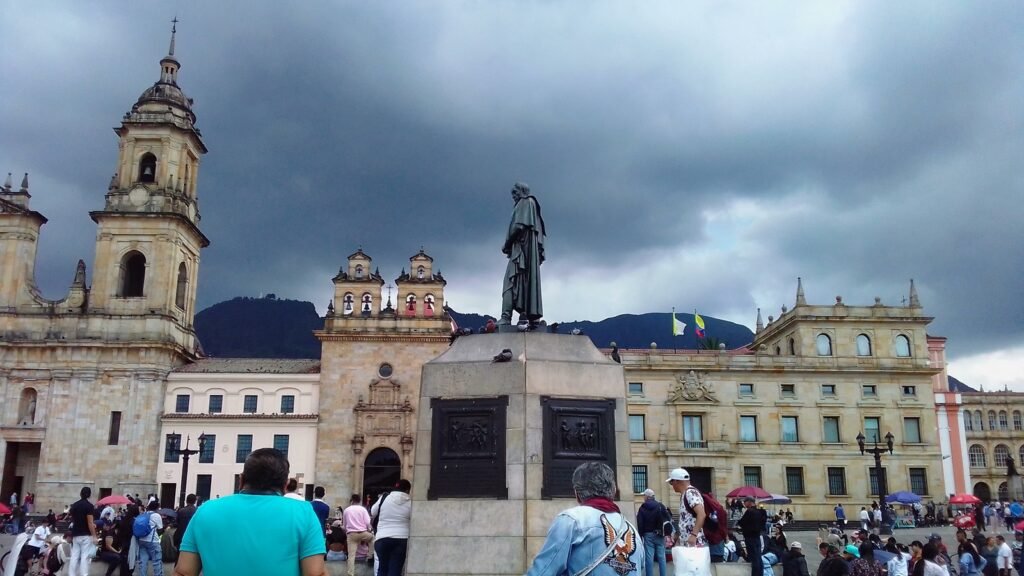
Understanding Colombia culture and local customs makes a trip easier and more rewarding. Colombians are widely described as warm, polite and welcoming, and a few small habits, such as greeting people properly and using formal address, go a long way.
Colombia is also a country of strong regional identities. The mountain cities, the Caribbean coast, the Pacific coast, the coffee region, the plains and the Amazon each have their own accents, music, food and humor, and indigenous and Afro-Colombian communities shape much of the country’s heritage. Travelers who arrive expecting a single culture often find the differences between regions among the most interesting parts of the visit.
This guide covers greetings, manners, family life, festivals, music, indigenous and Afro-Colombian traditions, and the cultural sensitivities worth keeping in mind. It works best alongside our Colombia travel guide, which covers routes, seasons and entry rules, and our guide to what to eat in Colombia.
Colombia Culture and Local Customs: Understanding the Basics
The most useful starting point is that Colombian culture is regional, social and relationship-driven. People in Bogotá and the Andes are often described as more formal and reserved, while people on the Caribbean coast are known for being louder, more relaxed and more openly expressive. Medellín and the surrounding Antioquia region have their own strong local pride.
Spanish is the main language, and English is less widely spoken outside tourism businesses. Even a few polite phrases are appreciated, and effort matters more than perfect grammar.
Greetings and Everyday Courtesy
Greetings matter. When you enter a shop, a small restaurant or a taxi, say “buenos días,” “buenas tardes” or “buenas noches” first, and say “por favor” and “gracias” generously. Skipping the greeting can come across as rude, even if your request is perfectly polite.
Handshakes and cheek touches. Men usually shake hands when meeting and leaving. Between women, or between a man and a woman, a light cheek-to-cheek touch with a soft kiss sound is common, although practice varies, so follow the other person’s lead. When you join a group, it is polite to greet people one by one.
Formal and informal address. Spanish has both a formal “usted” and an informal “tú.” With strangers, older people and people in positions of authority, use “usted” until you are invited to switch. In some areas you may also hear “sumercé,” a warm, old-fashioned form of address, especially in Bogotá and the nearby highlands. Titles such as “doctor” or “profesor” are often used for people with professional roles.
A Few Useful Spanish Expressions
Buenos días (good morning), por favor (please), gracias (thank you), con permiso (excuse me, when passing), ¿cuánto cuesta? (how much does it cost?), la cuenta, por favor (the bill, please) and no, gracias (no, thank you) cover most everyday situations.
Time, Dress and Social Habits
Time. Punctuality depends on the setting. Be on time for tours, flights, business meetings and booked activities, but expect social events to start later than planned. A relaxed approach to time is normal, and patience is part of the experience.
Dress. People in Bogotá and Medellín often dress smartly, so smart-casual clothing is a safe choice in the cities, especially for restaurants and nightlife. Beach clothing belongs at the beach and the pool. Bogotá is cool and rainy for much of the year, so pack layers.
Visiting a home. If you are invited to someone’s home, it is thoughtful to bring a small gift, such as chocolates, coffee or flowers, and to accept at least a small portion of the food you are offered. Refusing everything can feel unfriendly.
Conversation. Family, food, football, music, your journey and what you think of the country are all welcome topics. Politics, the armed conflict and drug trafficking are sensitive subjects, so let local people raise them first, and avoid joking about them. Tours and souvenirs that glamorize the drug trade may be offensive to people who lived through that period.
Family, Faith and Community
Family is central to life in Colombia, and weekends and holidays are often spent with relatives. Public holidays are frequent and often create long weekends, when roads, beaches and buses get busy. Catholic traditions shape many festivals, especially around Holy Week, and many towns have a main plaza with a church at its center.
When you visit a church, dress neatly, keep your voice low and do not photograph worshippers or services without asking.
Music, Dance and Everyday Rhythms
Music is everywhere in Colombia. Vallenato, an accordion-led style from the Caribbean region, and marimba music from the Pacific coast are both recognized by UNESCO, and cumbia and salsa have their own homes in the Caribbean coast and Cali. See the UNESCO’s list of Colombian intangible cultural heritage for a full list of recognized traditions.
Cali, in particular, is known as a salsa city, and salsa clubs and dance schools welcome beginners. Dance classes are a fun way to meet people and are easy to arrange through a hotel or hostel.
Festivals and Major Celebrations
Carnival of Barranquilla
The Carnival of Barranquilla is held over the four days before Lent, usually in February or early March. UNESCO added it to its Representative List of the Intangible Cultural Heritage of Humanity in 2008, and it blends music, dance and costume traditions from different parts of Colombia.
Carnaval de Negros y Blancos, Pasto
This carnival in the southwestern city of Pasto takes place in early January, and UNESCO recognized it in 2009. Dates can shift, so check the organizers’ schedule before booking, and note that Pasto sits in a region where government advice for surrounding areas can differ from the city itself.
Holy Week in Popayán
The Holy Week processions in Popayán are also on UNESCO’s list, in 2009. In 2027, Good Friday falls on March 26. Popayán lies in the Cauca department, which Canadian advice lists as a region to avoid, with Popayán itself an exception that still carries a warning to avoid non-essential travel, so check current advice carefully before planning a visit.
Feria de las Flores, Medellín
Medellín’s flower fair takes place each August, and its main parade features silleteros, who carry flower arrangements on their backs. The 2026 fair ran from July 31 to August 9, and the 2027 dates should be confirmed with the city.
Petronio Álvarez Festival, Cali
This festival in Cali, held in August, celebrates music, food and culture from Colombia’s Pacific coast. It is a good introduction to Afro-Colombian traditions without traveling to the Pacific itself.
Indigenous Peoples and Their Heritage
Colombia is home to many indigenous peoples, and their traditions are central to the country’s cultural identity. In the Sierra Nevada de Santa Marta, the Arhuaco, Kankuamo, Kogui and Wiwa peoples consider the mountains sacred, and UNESCO added their ancestral system of knowledge to its Representative List in 2022. In La Guajira, the Wayuu are the largest group, known for their weaving, including the colorful mochila bags, and for their traditional justice system, which UNESCO recognized in 2010.
Visit with respect. Indigenous territories are not tourist attractions. Visit only through a guide or community arrangement that the local people have approved, follow the community’s rules about photography and where you may go, and buy crafts directly from makers where possible. Hiring local guides who know the area is also the practical choice in remote areas such as La Guajira, where infrastructure is limited and conditions change.
Afro-Colombian Culture
Afro-Colombian culture is strongest on the Pacific coast and in parts of the Caribbean coast. The Pacific region, including Chocó, Valle del Cauca, Cauca and Nariño, has the country’s largest Afro-Colombian population, and its music, such as currulao and chirimía, and its cooking are distinctive.
San Basilio de Palenque, near Cartagena, is a community founded by people who escaped slavery, and UNESCO recognized its cultural space in 2008. If you visit, go with a local guide or a community-run tour, because the community has its own traditions and language.
Coffee Culture and Street Life
Coffee is part of daily life. A small black coffee called a tinto is the default order, and cafés fill with people in the morning and afternoon. In the Coffee Region, farm tours are a good way to learn how the crop shapes local life.
Street life is lively but varies by city. Markets, street vendors and plazas are central to social life, so be patient, carry small bills, and ask for prices in advance, as the Canadian government warns of occasional tourist overcharging.
Safety, Common Sense and Respectful Travel
Colombians often use the phrase “no dar papaya,” which means not making yourself an easy target. In practice, this means keeping phones and jewelry out of sight, staying in busy areas at night, using registered taxis or ride-hailing apps, and never leaving drinks unattended. The Government of Canada travel advice for Colombia also warns about express kidnappings, scopolamine, fake police officers and robberies linked to dating apps, so read it before you go.
Women travelers report harassment, particularly in tourist areas, and the same advice recommends caution. Ayahuasca and similar “cleansing” ceremonies are advised against because of serious harm, including deaths, so choose other ways to experience traditional culture.
Markets, Money and Tipping
Cards are widely accepted in hotels, chain restaurants and larger tour operators, but cash is common for taxis, small shops and street food. A voluntary service charge of about 10 percent is often added to restaurant bills, and you can ask to remove it if service was poor. Tipping taxi drivers is not expected, but rounding up the fare is common.
Practical Cultural Etiquette for Travelers
Greet first. Say hello before you ask for anything. Use usted with strangers and older people. Ask before photographing people, especially indigenous community members and children. Dress for the setting: smarter in the cities, relaxed at the beach. Be flexible with time in social situations but punctual for tours and transport. Avoid sensitive topics such as the conflict and the drug trade unless a local person raises them. Follow current advice: government guidance changes, so check it before each part of your trip.
Experience Colombia Culture Beyond the Major Attractions
The best way to understand Colombia is to spend time in local places: a lunch counter, a market, a Sunday plaza, a dance class or a coffee farm. The official Colombia tourism site is a good starting point for events and regions, and our Colombia travel guide explains how to put these places into a trip.
You can also browse more articles in our Culture category.