
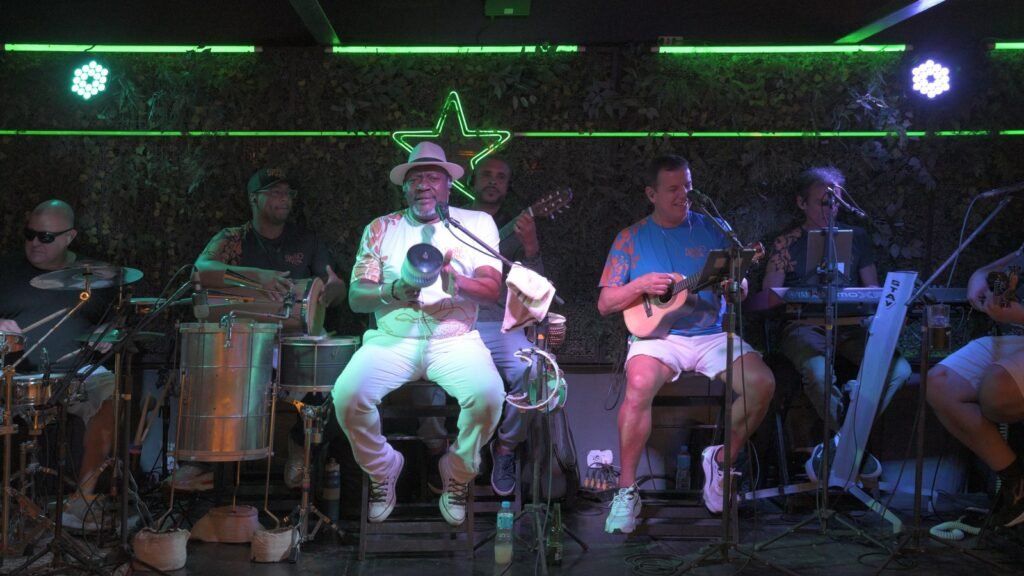
Understanding Brazil culture and local customs makes a trip easier and more rewarding. Brazilians are generally described as warm, informal and sociable, and a few small habits, such as greeting people properly and asking before taking photos, go a long way.
Brazil culture is also very varied. Indigenous peoples, Portuguese colonizers, enslaved Africans and later immigrants from Europe, the Middle East and Asia all shaped the country, and the result is visible in food, music, religion and festivals. Portuguese is the national language, and many Indigenous languages are still spoken.
This guide covers greetings, manners, religion, festivals, music, Indigenous traditions and the cultural sensitivities worth keeping in mind. It works best alongside our Brazil travel guide, which covers routes, seasons and entry rules, and our guide to what to eat in Brazil.
Brazil Culture and Local Customs: Understanding the Basics
The most useful starting point is that Brazil culture is regional and mixed. Rio has a beach-and-samba image, Salvador is the heart of Afro-Brazilian traditions, the south has strong gaúcho cattle-country traditions, and the Amazon has its own peoples and ways of life.
Portuguese, not Spanish, is the main language, and English is more common in tourism businesses than elsewhere. A few polite phrases are appreciated, and effort matters more than perfect grammar.
Greetings and Everyday Courtesy
Greetings are warm and physical. Men often shake hands, while women, and friends of any gender, may greet with a kiss on the cheek, with the number of kisses varying by region. Follow the other person’s lead, and say hello and goodbye when you enter or leave a shop, restaurant or taxi.
A Few Useful Portuguese Expressions
Bom dia (good morning), por favor (please), obrigado or obrigada (thank you, said by a man or a woman), com licença (excuse me), quanto custa? (how much does it cost?), a conta, por favor (the bill, please) and tudo bem? (how are you?) cover most everyday situations.
Dress, Time and Social Habits
Dress. Beachwear belongs on the beach, so bring a cover-up and shoes for restaurants, shops and the street. Smart-casual clothing is a safe choice for restaurants in the big cities, and churches expect modest dress.
Time. Be on time for flights, tours and timed tickets. In social situations, expect a more relaxed approach to punctuality, and do not be surprised if a dinner starts later than planned.
Conversation. Football, music, food and your impressions of Brazil are welcome topics. Politics and religion can be sensitive, so let local people raise them first, and avoid political demonstrations, which Canadian advice says can turn violent.
Photography and Respect for People
Always ask before photographing people, especially in Indigenous communities and at religious ceremonies. Be careful when using a phone in the street, because phone theft is common in big cities, and keep valuables out of sight when taking photos in busy places.
Faith and Community
Brazil has large Catholic and Evangelical communities, along with Afro-Brazilian religions such as Candomblé and Umbanda that developed from African traditions. In Salvador you will see people wearing colorful ribbons from the Bonfim church and baianas in white dresses. Visit churches quietly, dress modestly, and do not photograph services or ceremonies without permission. Do not treat religious ceremonies as tourist shows, and attend only through a reputable invitation or organized visit.
Festivals and Major Celebrations
Brazil has many festivals, and several of its traditions are recognized by UNESCO. See the UNESCO’s list of Brazilian intangible cultural heritage for the full list, and check dates close to your trip, because they can shift.
Carnival and Frevo in Recife
Carnival is the best-known celebration, held in the days before Ash Wednesday, usually in February or early March. Rio is famous for its Sambadrome parades and street parties, Salvador for its music-filled street Carnival, and Recife for frevo, the fast, acrobatic dance recognized by UNESCO in 2012. Crowds are large and pickpocketing and mass robberies are a risk, so travel light and book far ahead.
Círio de Nazaré, Belém
The Círio de Nazaré is a huge religious procession in Belém, in the Amazon region, that honors the Virgin of Nazareth, and UNESCO recognized it in 2013. It takes place in October and draws very large crowds.
Bumba-meu-boi and the June Festivals
The Bumba-meu-boi of Maranhão, a theatrical folk tradition built around the story of a bull, was added to UNESCO’s Representative List in 2019. Across the Northeast, the June festivals known as Festas Juninas bring bonfires, folk dancing and traditional food.
Music, Dance and Capoeira
Brazil culture is full of music: samba, bossa nova, forró, MPB and many regional styles. UNESCO recognizes the samba de roda of the Recôncavo of Bahia, inscribed in 2008, and the capoeira circle, inscribed in 2014. Capoeira combines martial arts, dance and music, and you can watch roda performances in Salvador and other cities.
Watch a performance, take a class or visit a live music night with a reputable operator. Check the schedule in advance, because many shows run only on certain nights.
Indigenous Peoples and Responsible Visits
Brazil is home to many Indigenous peoples. UNESCO recognizes the oral and graphic expressions of the Wajapi, inscribed in 2008, and the Yaokwa ritual of the Enawene Nawe, inscribed in 2011 on its list of traditions in need of urgent safeguarding. Community visits are not tourist attractions, and entry to Indigenous lands generally requires permission, so go only through a reputable, authorized operator, follow the community’s rules and buy crafts directly from makers.
Football and Everyday Life
Football is part of Brazil culture, and you will see games on screens and fields everywhere. Matches at big stadiums can be exciting, but crowds can be intense, so consider going with a guide or organized tour and follow local advice on which supporters’ sections to avoid.
Safety, Common Sense and Respectful Travel
The Government of Canada travel advice for Brazil says to exercise a high degree of caution because of high crime and regular gang-related violence in urban areas. It advises not to resist an attack, to avoid going out after dark in risky areas, and to avoid favelas, which it says are not safe even with a local guide.
It also warns about drink spiking, unofficial taxis and online romance scams, and it says never to carry packages for other people, because drug penalties are severe. Same-sex relations are legal, but Canadian advice notes that violence against 2SLGBTQI+ people occurs, and that public displays of affection are more accepted in large cities than elsewhere.
Markets, Money and Tipping
Cards are common in cities, but cash is useful at markets, beach stalls and small shops. Many restaurants add a service charge of about 10 percent, which is usually optional, and tipping guides, drivers and porters is customary. Use ATMs in banks or other secure places, cover your PIN and consider turning off tap-to-pay, as Canadian advice recommends.
Practical Cultural Etiquette for Travelers
Greet first. Say hello and goodbye in shops and small businesses. Ask before photographing people and religious ceremonies. Dress for the setting, with beachwear only at the beach. Be on time for tours and flights. Avoid sensitive topics such as politics unless a local person raises them. Check current advice before you travel, because conditions change.
Experience Brazil Culture Beyond the Major Attractions
The best way to understand Brazil culture is to spend time in local places: a neighborhood bakery, a street market, a samba night or a capoeira roda. The official Visit Brasil tourism site is a good starting point for events and regions, and our Brazil travel guide explains how to put these places into a trip.
You can also browse more articles in our Culture category.