
Australia culture is a mix of relaxed everyday manners, a strong outdoor and sporting life, a long tradition of migration and the living cultures of Aboriginal and Torres Strait Islander peoples, which Tourism Australia describes as the oldest on Earth.
This guide explains the customs, etiquette and laws that matter most to visitors. It works alongside our Australia travel guide, which covers planning, and our guide to what to eat in Australia. Customs vary between people, places and communities, so treat this as a starting point rather than a rulebook.
Australia Culture and Local Customs: Understanding the Basics
Tourism Australia describes Australians as laid-back, friendly and outdoorsy, with a strong sporting culture and what it calls a rich multiculturalism shaped by Aboriginal and Torres Strait Islander peoples and settlers from around the world.
For visitors, that usually means informal manners, plenty of small talk, a humorous and understated style and a lot of time spent outside. You do not need to learn special rules to be welcome. A friendly, respectful attitude, patience and a willingness to listen go a long way.
Aboriginal and Torres Strait Islander Cultures
Tourism Australia recognises custodianship of culture and Country for more than 65,000 years. Cultures and languages differ between communities, so avoid treating them as one. The terms Aboriginal and Torres Strait Islander peoples, or First Nations peoples, are widely used, and it is respectful to follow the words that the people or guide you are with use.
The best way to learn is to join an experience led by Aboriginal or Torres Strait Islander people. Tourism Australia lists examples including cultural tours in Sydney, an Indigenous-guided trail near Cairns and tours in Kakadu and Uluṟu-Kata Tjuṯa National Parks.
At Uluṟu, the Aṉangu are the traditional landowners, and Parks Australia asks visitors to use the word Aṉangu rather than other terms. It also asks visitors to listen carefully and learn about Tjukurpa, the law, stories and spirituality that belong to the land. The Uluṟu climb closed permanently on 26 October 2019, and climbing is a breach of Australian law.
Greetings and Everyday Courtesy
Tourism Australia says Australians often greet strangers, even service staff, with “g’day” or “how ya going?” A friendly smile is a good start, and “no worries” is a common reply to thanks and apologies. Tourism Australia describes mateship as central, summed up in the idea that a stranger is just a friend you have not met yet.
Australians tend to be direct but polite, and humour is often dry and self-mocking. Queuing is common in shops, at bus stops and at bars, so wait your turn.
Slang, Humour and Directness
Everyday Australian English has plenty of slang, which can confuse visitors at first. Tourism Australia’s guide to everyday Aussie things mentions an “avo” (avocado), an “esky” (cool box), a “cossie” (swimming costume) and a “yarn” (a chat). Ask if you are unsure what a word means, because people usually enjoy explaining.
Humour is a social tool. Tourism Australia gives examples such as the Nude Solstice Swim at the Dark Mofo festival in Hobart and dry river bed racing at the Henley on Todd Regatta in Alice Springs. Teasing is often friendly, but follow the other person’s lead.
Beach, Outdoor and Sport Culture
Tourism Australia says Australians spend much of their free time outdoors, from ocean swims and beach picnics to casual games of cricket on the sand. Beaches are social spaces, and many cities have ocean pools and surf clubs.
Sport is a major passion. Cricket, rugby, Australian Rules football, soccer and tennis draw big crowds, and people gather in pubs to watch games. Tourism Australia suggests an Australian Football League match followed by the post-match pub as a way to join in.
On the beach, follow the lifeguards’ instructions and swim between the red and yellow flags. Canadian advice says riptides are common and several drownings occur each year, so never swim at an unpatrolled beach if you can avoid it.
Dining, Tipping and Pubs
Meals are casual in most places, and pubs are central to social life. Tourism Australia says hotels and restaurants do not add service charges and that tipping is always your choice, adding that at upmarket restaurants about 10 per cent is common for good service.
Tourism Australia says friends often drop in unannounced, so invitations tend to be informal. If you are invited to someone’s home, a small gift is a thoughtful touch, and it is polite to follow your host’s lead. For more on what to order, read our Australia food guide.
Festivals and Public Holidays
Public holidays can close banks, offices and some shops, and Tourism Australia advises booking interstate flights, tours and accommodation well in advance around them. National days include Australia Day on 26 January and Anzac Day on 25 April. Some Australians, including many Aboriginal and Torres Strait Islander people, mark 26 January differently, so be thoughtful when you discuss it.
Anzac Day is a solemn day of remembrance, with dawn services and marches, and it is respectful to keep noise down near ceremonies. Victoria also holds a public holiday for Melbourne Cup Day on the first Tuesday in November, and Tourism Australia lists Tuesday 3 November in 2026. Sydney’s New Year’s Eve fireworks over the harbour have run since 1976, according to Tourism Australia, and Christmas is a summer holiday, often spent at the beach.
Heritage Sites
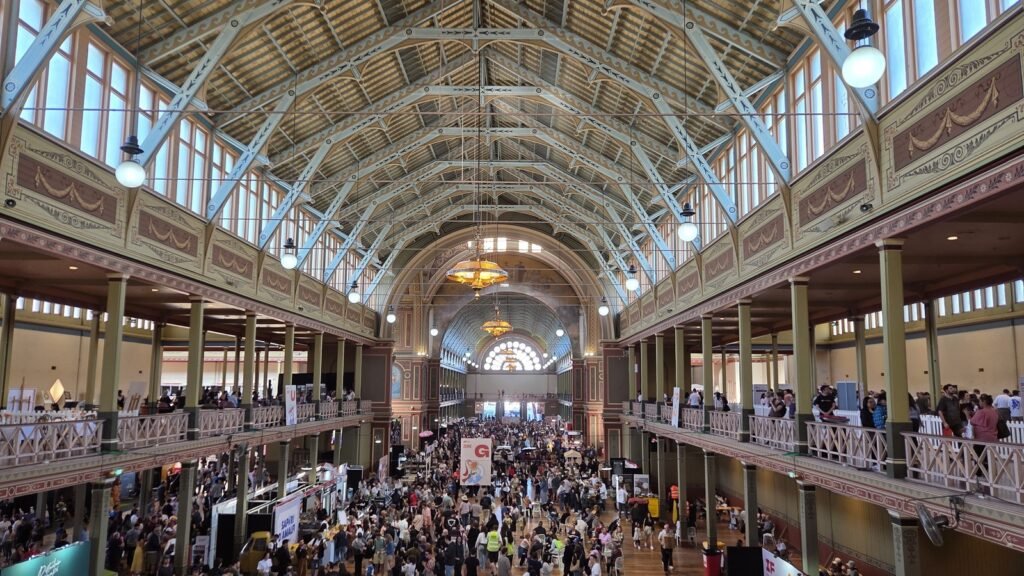
UNESCO lists 21 World Heritage properties in Australia, including cultural sites such as the Sydney Opera House, the Australian Convict Sites, the Royal Exhibition Building and Carlton Gardens, the Budj Bim Cultural Landscape and Murujuga Cultural Landscape.
Several natural sites are also cultural landscapes. UNESCO says Kakadu National Park has been home to Aboriginal people for more than 50,000 years, with rock art that spans thousands of years. The Tasmanian Wilderness is a cultural landscape for Tasmanian Aboriginal people, who have lived there for about 40,000 years. At these places, follow the park’s signs and rules.
Laws and Safety
You must follow local laws. Canadian advice says penalties for possessing, using or trafficking illegal drugs are severe and include lengthy jail sentences and heavy fines. Australia also has strict quarantine rules, and visitors who do not declare food, plants or animal products can face fines. Our Australia travel guide explains the Incoming Passenger Card.
Traffic drives on the left. Permits are required to travel on Aboriginal land, so check before you go. Canadian advice says Australia is a place to take normal security precautions, with petty crime mostly in larger cities, and that the emergency number is 000. Read the full Government of Canada travel advice before you travel.
Practical Cultural Etiquette for Travelers
- Respect Country and Elders. Many events begin with an acknowledgement of the Traditional Owners, so listen quietly.
- Ask before photographing people. Parks Australia asks visitors to ask permission before photographing Aṉangu and not to photograph restricted areas, including sacred sites, ceremonial sites, burial grounds and people’s homes.
- Stay on marked tracks. Parks Australia asks visitors not to climb onto rock formations or boulders, so you do not enter sacred areas.
- Be sun-smart and wildlife-aware. Do not feed or disturb wildlife, and follow signs.
- Buy art ethically. Tourism Australia links to advice on buying First Nations art ethically, so ask who made it and whether the artist is paid.
- Be flexible with plans. Distances are long, services in remote areas are scarce and weather can change quickly.
Experience Australia Culture Beyond the Sights
The best way to understand Australia culture is to slow down. Join a tour led by Aboriginal or Torres Strait Islander guides, eat where locals eat, spend time at a beach or a park, and ask questions with curiosity and respect.
Use this guide as a starting point, then read our Australia travel guide, our 10 day Australia itinerary and our guide to Australia coastlines to turn ideas into a plan.