
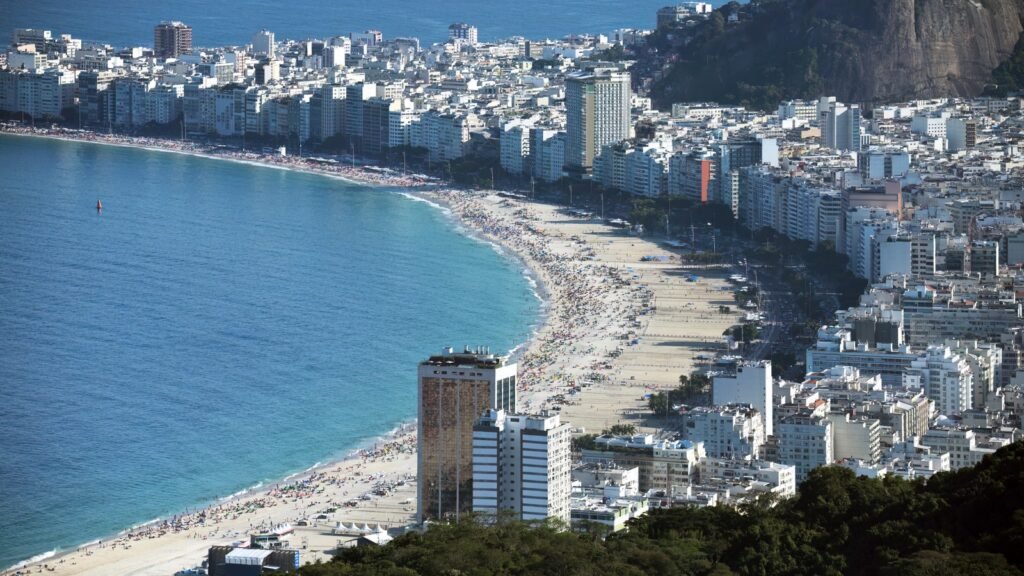
Brazil coastlines are among the country’s greatest attractions. The Atlantic coast stretches for thousands of kilometers, from the tropical beaches of the Northeast to the surf towns of the south, and it includes city beaches, island paradises, dunes and reef pools.
The coast is not one place. Rio’s beaches sit in the middle of a big city, Bahia has long sandy beaches and turtle nesting grounds, the Northeast has warm, shallow water and dunes, and the far south has cooler water and surf. Weather, safety and access vary a lot, and some stretches need extra care.
This guide explains the main Brazil coastlines, how the seasons affect them, and what to know before you go. It works best alongside our Brazil travel guide, which covers routes, seasons and entry rules.
Brazil Coastlines: Where to Start
For most first-time visitors, Rio is the easiest coast to experience, because the city’s beaches are part of the trip. Paraty and Ilha Grande suit travelers who want green mountains and islands, Bahia suits those who want beaches with culture, the Northeast suits a dedicated beach holiday, and Fernando de Noronha suits travelers with a bigger budget and a love of marine life.
The coast you choose depends on the time of year, how many days you have and whether you want a short add-on or a dedicated beach trip.
Rio and the Southeast Coast
Rio’s Beaches
Copacabana and Ipanema are the best-known beaches, with Arpoador, between them, famous for sunset. Leblon is quieter and more upscale, and beaches farther out such as Prainha and Grumari feel less urban. The water is cooler than in the tropics, and the beaches are social spaces with food and drink vendors.
Canadian advice says robberies can occur anywhere in Rio, including popular areas such as Copacabana beach, and that mass robberies known as arrastões can happen at beaches day or night. Take only what you need, leave jewelry at the hotel and keep your phone out of sight.
Paraty and Ilha Grande
Paraty is a colonial town on the coast between Rio and São Paulo, and with nearby Ilha Grande it forms a UNESCO World Heritage site listed in 2019. Ilha Grande is a car-free island with forest trails and beaches, reached by boat, and it is a good place for hiking and swimming. Check boat schedules and weather in advance.
Búzios and Arraial do Cabo
Búzios is a peninsula with many beaches, and Arraial do Cabo is known for its clear water and snorkeling. Both are popular weekend trips from Rio, so expect crowds in summer and on holidays.
Bahia: Salvador and the Coast
Salvador has city beaches and the Farol da Barra lighthouse, which is a popular sunset spot. Outside the city, Praia do Forte is known for the Tamar project, which protects sea turtles, and the car-free island of Morro de São Paulo is reached by boat. Farther south, Trancoso and Itacaré offer long beaches, surf and a relaxed atmosphere.
Whale watching in Bahia is generally described as running from about July to November, but check with local operators for current seasons.
The Northeast Coast
The Northeast has some of Brazil’s most tropical coast. Porto de Galinhas and Maragogi are known for natural reef pools that can be explored at low tide, Jericoacoara in Ceará has dunes and kitesurfing, and Lençóis Maranhenses has freshwater lagoons between white sand dunes, usually fullest in the months after the rainy season, roughly June to September.
Safety note. Canadian advice says to watch for sharks, especially near Recife, and that some beaches are unsupervised. Do not walk on coral in reef pools, choose a reputable operator for any buggy or boat trip, and check conditions before you swim.
Fernando de Noronha
Fernando de Noronha is a remote Atlantic archipelago and a UNESCO World Heritage site, known for its clear water, snorkeling, diving and dolphins. Visitors pay a daily environmental preservation fee, which a 2026 report puts at about 106 reais per day, and flights are usually from Recife or Natal, so check the island administration’s site for current rules before you book.
The South: Florianópolis and Santa Catarina
Florianópolis, on Santa Catarina Island, has dozens of beaches, from calm bays to surf breaks, and the best weather is generally from about December to March. The water is cooler than in the Northeast. Southern right whales are generally described as visiting the Santa Catarina coast from about July to November.
Weather and the Best Coast for Your Travel Dates
The best time for Brazil coastlines depends on the region, because the rainy seasons differ. Canadian advice says the rainy season runs from about October to April in the south and southeast and about April to July in the northeast, and that heat and humidity are most severe from December to March. The Northeast beaches are generally best from about September to March, and the south is best in the southern summer.
Canadian advice also says El Niño conditions are present and expected to strengthen through 2027, which may increase floods and severe storms, so keep your plans flexible and consider travel insurance.
Swimming, Surfing and Beach Safety
Safety on Brazil coastlines comes down to currents, crime and sun. Canadian advice says riptides are common, some beaches are unsupervised and urban beaches are often polluted. Obey warning flags, swim where lifeguards are present, avoid swimming after heavy rain at urban beaches and never swim after drinking alcohol.
Drink spiking is reported at public beaches, so never leave drinks unattended and order from reputable vendors. Use sun protection, drink plenty of water and plan beach time outside the hottest hours.
Responsible Coastal Travel
Many Brazil coastlines include protected habitats. Keep your distance from turtles and marine life, take your rubbish with you, avoid single-use plastic and follow the rules in protected areas. Choose tour operators that follow wildlife guidelines.
Getting to the Coast
Rio, Salvador, Recife, Fortaleza, Natal and Florianópolis all have major airports. Paraty is reached by road from Rio or São Paulo, and tour companies serve the route, so ask your operator for current journey times. Use official taxis or reputable ride-hailing apps, as Canadian advice recommends, and avoid unofficial rides.
Choosing the Right Brazil Coast
Choose Rio for an easy coastal stop on a city trip. Choose Paraty and Ilha Grande for forest, islands and a quieter pace. Choose Bahia for beaches combined with culture. Choose the Northeast for warm water and reef pools. Choose Fernando de Noronha for marine life. Choose Florianópolis for surf and variety.
Adding the Coast to a Brazil Itinerary
A practical first-time route covers Rio, Iguaçu Falls and Salvador. If you have extra days, add Paraty and Ilha Grande for a quiet coastal stop, or a Northeast beach town for a beach finish. The coast works best as a separate chapter at the end of a trip, so you are not rushing between cities and beaches.
Experience Brazil Beyond the Beach
Brazil’s coasts are only part of the story. Pair beach time with the country’s food and culture: read our guides to what to eat in Brazil and Brazil culture and local customs, and see the official Visit Brasil tourism site for regions and events. Our Brazil travel guide explains how to fit these places into a trip.
You can also browse more articles in our Coastlines category.