
Knowing what to eat in Peru is one of the best reasons to visit. Peruvian food has a worldwide reputation, and ceviche is only the beginning: the country’s cooking draws on the Pacific coast, the Andes, the Amazon, and the Chinese and other communities that settled in its cities.
Food changes a lot with geography. The coast is built around fresh fish and citrus, the Andes lean on potatoes, corn and slow-cooked dishes, and the Amazon has its own river fish and tropical fruit. Lima is the easiest place to taste many styles in a short time, while Cusco and Arequipa show off highland specialties.
Some of the best meals come from a busy lunch spot, a market stall or a family-run restaurant. This guide explains the main dishes by region, what to drink, how to order, and a few practical food tips. It works best alongside our Peru travel guide, which covers routes, seasons and entry rules.
What to Eat in Peru: Start with the Regions
The easiest way to think about what to eat in Peru is to divide the country into three areas: the coast, the Andes and the Amazon. Lima and the coast are known for seafood and creative cooking, the highlands for hearty dishes made with potatoes, corn and meat, and the Amazon for river fish and tropical fruit.
Rather than trying to find the single best version of every dish, order what the local menu is proudest of. A cevichería on the coast will do a better ceviche than a restaurant in the mountains, and a highland restaurant will do a better rocoto relleno than a place in the capital.
Lima and the Coast
Ceviche
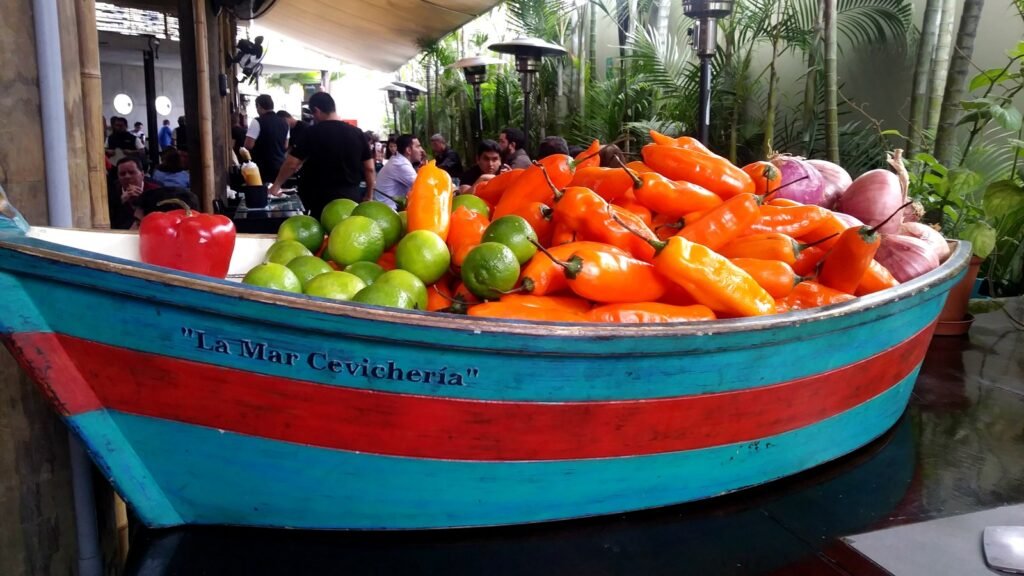
Ceviche is Peru’s most famous dish. It is raw white fish cured in lime juice with chili and red onion, usually served with sweet potato and a type of large-kernelled Andean corn. UNESCO added the preparation and consumption practices of Peruvian ceviche to its list of intangible cultural heritage in 2023.
Locals usually eat ceviche at lunchtime rather than in the evening, because it is made with very fresh fish. Choose a busy cevichería with a lot of local customers, and ask what was caught that day.
Lomo Saltado
Lomo saltado is a stir-fry of beef, onions and tomatoes, often served with rice and fries. It reflects Chinese-Peruvian cooking, which grew from the Chinese workers who arrived in Peru in the nineteenth century, and it is a good example of how Peruvian food blends traditions.
Ají de Gallina and Causa
Ají de gallina is shredded chicken in a creamy sauce made with yellow chili, walnuts, cheese and bread soaked in milk. Causa is a cold layered dish of seasoned potato with a filling such as chicken or seafood. Both are common on traditional menus in Lima.
Anticuchos and Street Snacks
Anticuchos are grilled skewers, traditionally made with beef heart, and they are a street-food staple. Choose busy stalls where the food is cooked in front of you and served hot.
Cusco, Arequipa and the Andes
Highland cooking is built around potatoes, corn and hearty stews, and Peru grows a very wide range of potatoes. Dishes here are warming, which suits the cold nights at altitude.
Rocoto Relleno
Rocoto relleno is a hot pepper stuffed with meat, cheese and spices and baked, and it is associated with Arequipa. It can be spicy, so ask how hot it is before you order.
Cuy and Pachamanca
Cuy, or guinea pig, is a traditional Andean dish served roasted or fried at special occasions and in tourist restaurants in the highlands. Pachamanca is a traditional method of cooking meat and vegetables on hot stones in an earth oven, and it is usually served at celebrations and on weekends. Try either only at a reputable restaurant.
Peruvian-Chinese Food (Chifa)
Chifa restaurants serve Chinese-Peruvian food and are found across Peru, from Lima’s Chinatown to small towns. Dishes combine Chinese techniques with Peruvian ingredients, and lomo saltado is the best-known example. Portions are often generous, so they work well for sharing.
The Amazon
Amazon cooking centers on river fish, plantains, yuca and tropical fruit, and many of the best meals are served at lodges. If you travel to the rainforest, use reputable operators, because Canadian advice warns that armed thieves have targeted tourist boats on the Amazon River.
Desserts, Drinks and Coffee
Pisco sour is Peru’s national cocktail, made with pisco, lime juice and egg white. Chicha morada is a sweet non-alcoholic drink made from purple corn, and Inca Kola is a bright yellow soft drink you will see everywhere. Popular desserts include suspiro limeño, a sweet custard dessert, mazamorra morada, a purple corn pudding, and picarones, fried rings of dough served with syrup.
Coffee and cacao are grown in parts of Peru, and cafés in Lima, Cusco and other tourist areas serve them. Remember that alcohol hits harder at altitude, so go carefully on your first days in Cusco.
How to Order and Where to Eat
Restaurants in Peru commonly add a service charge of about 10 percent, so check the bill before adding a tip. Many places offer a fixed-price lunch menu that is good value, and the main meal of the day is often lunch. Cities such as Lima have everything from market stalls to high-end restaurants, so you can eat well at most budgets.
Ask for the price before you order at street stalls, carry small notes, and try markets in the morning, when they are busiest.
Practical Dining Tips for Peru
Choose Busy Places
A busy stall or restaurant with fast turnover is usually safer than an empty one, especially for seafood. Canadian advice lists travellers’ diarrhea among the health risks, so be selective with raw salads and unpeeled fruit if you have a sensitive stomach.
Water
Many travelers choose bottled or filtered water in Peru, especially outside the big cities. Ask your hotel about the local water, and be cautious with ice in drinks.
Watch Your Food and Drink
The Government of Canada travel advice for Peru warns that snacks, drinks, gum and cigarettes may be spiked, which can lead to assault or robbery. Never accept food or drinks from strangers, and do not leave your drink unattended in bars.
Altitude and Eating
At altitude, many people find heavy meals and alcohol uncomfortable. On your first day in Cusco, eat lightly, drink plenty of water and take it easy.
Vegetarian and Vegan Travelers
Peruvian cooking features a lot of meat and fish, so vegetarians need to plan. Lima and Cusco have more vegetarian options than small towns, and potatoes, corn, quinoa, fruit and soups are often meat-free, although it is worth asking how they are made.
Allergies
If you have a food allergy, learn the Spanish words for your allergen and write them down. Seafood, nuts and dairy appear in many everyday dishes.
Experience Peru Through Its Food
The best way to eat in Peru is to match your meals to where you are. Start with ceviche in Lima, try a highland specialty in Cusco or Arequipa, and finish with a pisco sour. For planning help, the official Peru tourism site is a good starting point, and our Peru travel guide explains how to put these places into a trip.
For more on the traditions behind the food, read our guide to Peru culture and local customs. You can also browse more articles in our Food category.