
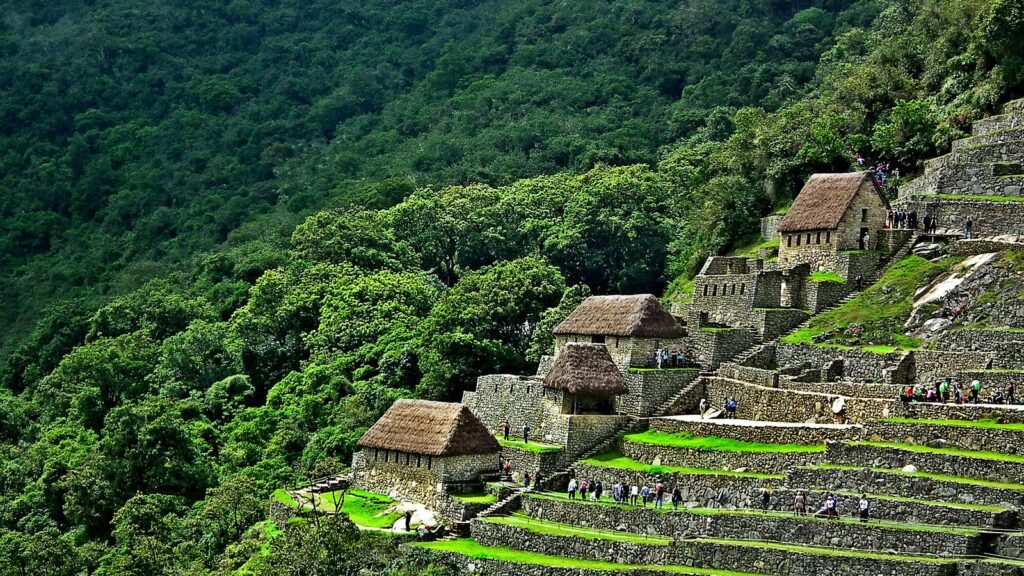
Peru rewards travelers who build a trip around a few well-chosen bases and give themselves time to adjust to the altitude. A first trip works best when you pair the coast with the Inca heartland and resist the urge to cover the whole country. This 10 day Peru itinerary spends two days in Lima, six in and around Cusco, including the Sacred Valley and Machu Picchu, and two on the way back out through Lima.
You’ll find a day-by-day plan, realistic travel times, booking advice and notes on where to stay. It follows the first-time route suggested in our Peru travel guide, with the detail you need to plan it. Entry rules, ticket rules, train schedules, prices and government travel advice change, so confirm anything important with the official sources linked below.
10 Day Peru Itinerary at a Glance
- Days 1–2: Lima. The historic center, the coastal districts of Miraflores and Barranco, and your first ceviche.
- Days 3–5: Cusco and the Sacred Valley. A short flight to the Inca capital, a slow first day at altitude, then Inca sites in and around the Sacred Valley.
- Days 6–7: Machu Picchu. A train to Aguas Calientes, a night below the citadel and a timed visit the next morning.
- Days 8–10: Cusco and Lima. A relaxed day in Cusco, then a flight back to Lima and your departure.
Each stop has a different pace. Lima is big, damp or sunny depending on the season, and full of food. Cusco is high, historic and compact. Machu Picchu is the highlight, but it needs the most planning. You fly twice, take the train twice, and change hotels four times. If you want to add Arequipa or the coast, you would need extra days.
Before You Go: Entry Rules and Safety
Canadian travel advice says a passport must be valid for at least six months after arrival, and that visas are not required for tourist stays under 90 days in a 365-day period, but rules depend on your nationality. Peru uses a digital entry record, and officials may ask for a return or onward ticket, proof of accommodation and proof of funds. Check the current rules with the Peruvian immigration authority (Migraciones) and your own government.
Read the full Government of Canada travel advice for Peru before booking. It currently says to exercise a high degree of caution, mainly because of high levels of crime, social conflict and strikes, and notes that a state of emergency is in effect in Lima and Callao. It also warns about express kidnappings involving taxis, so use authorized taxis or reputable apps, confirm the fare first and avoid street hails.
Book Machu Picchu First
Machu Picchu is the part of this trip that needs the most advance planning. Tickets are sold online through the official ticket platform, and the official Machu Picchu site says entry follows three circuits that group ten visiting routes, in place since 1 June 2024, with some routes available only in the high season. See the official circuits page for the current list.
Entry is controlled by ticket, route and time, and tickets for peak months can sell out, so book your ticket, your train and your hotel in Aguas Calientes before you finalize the rest of the trip. Use the same passport details on your ticket that you will carry on the day, and check the official platform for the current rules on entry times, daily limits and guides.
Days 1–2: Lima
Lima is Peru’s capital and the usual arrival point. It sits on coastal cliffs, so the weather is often grey and damp in winter and sunnier from roughly December to March. Use authorized taxis or reputable apps, as Canadian advice recommends, and expect the ride from the airport to Miraflores to take about 30 to 45 minutes, depending on traffic.
Day 1: Arrive and Walk Miraflores
After you arrive, drop your bags and walk along the cliff-top parks and sea views of Miraflores, then have an early dinner. Keep the first day easy, and carry only what you need, because petty crime is a concern in Lima.
Day 2: The Historic Center, Barranco and Ceviche
Spend the morning in the historic center, with its plazas and colonial buildings, then have lunch at a busy cevichería, since ceviche is traditionally eaten at lunchtime. In the afternoon, explore the artistic district of Barranco and walk along the coast. Pack tonight, because tomorrow you fly to the mountains.
Lima to Cusco by Air
Flights from Lima to Cusco take roughly an hour and a quarter to an hour and a half, and the bus takes more than 20 hours, so flying is the practical choice. Book early for the best fares, and check your baggage allowance, because low-cost fares may include very little luggage. Cusco’s airport sits at around 3,300 meters or higher, so you will feel the altitude as soon as you land.
Days 3–5: Cusco and the Sacred Valley
Canadian advice says the risk of altitude illness begins at about 2,500 meters and can be serious. Take the first day gently, drink water, avoid heavy meals and alcohol, and talk to a doctor before the trip if you have health concerns.
Day 3: Arrive and Rest in Cusco
After the short transfer into the city, rest and take a slow walk around the historic center and the Plaza de Armas. Eat lightly, and go to bed early.
Day 4: Cusco’s Inca Sites
Spend the day on Cusco’s Inca and colonial landmarks, including the city center and the Inca sites on the hills above it, such as Sacsayhuamán. Many visitors buy the Boleto Turístico, a combined ticket for several sites, which is commonly quoted at around 130 soles for foreign visitors, but prices and coverage vary by source, so confirm them locally and bring your passport.
Day 5: The Sacred Valley
The Sacred Valley is lower than Cusco, which many travelers find easier on the body. Visit Inca sites such as Pisac and Ollantaytambo and the market towns along the way, using a reputable driver or guide. Stay the night in the valley, ideally in Ollantaytambo, so you are close to the train station for tomorrow.
To Machu Picchu by Train
PeruRail and Inca Rail run trains to Aguas Calientes, the small town at the foot of Machu Picchu. From Ollantaytambo the ride takes roughly an hour and a half, and travel sources describe the road from Cusco to Ollantaytambo as taking about two hours. PeruRail also operates trains from Poroy, a short taxi ride from Cusco.
Canadian advice warns that strikes, demonstrations and derailments can disrupt rail services, so keep some flexibility, avoid very tight connections, and have a backup plan if you have a flight the day after your return.
Days 6–7: Machu Picchu
Day 6: Ollantaytambo to Aguas Calientes
Take the morning train to Aguas Calientes, check in and spend a relaxed afternoon. Pick up any bus tickets you need, and go to bed early. Aguas Calientes is a small town built around the railway, so expect it to be busy and a little touristy.
Day 7: Machu Picchu and Back to Cusco
Take the shuttle bus up to the citadel, which travel sources describe as taking about half an hour, or walk up if you are fit and have time, which takes roughly one and a half to two hours. The official conduct rules include a limit on bag size (40 by 35 by 20 centimeters), no food, no walking sticks, umbrellas or tripods, no drones, and no heels or hard-soled shoes. Follow your assigned route, stay on the marked paths, and allow time for photos.
After your visit, take the afternoon train back to Ollantaytambo or Cusco, depending on your ticket. Do not plan anything demanding for the evening, because it is a long day.
Days 8–10: Cusco and Lima
Day 8: A Relaxed Day in Cusco
Use this day for what you missed or want to repeat: a local market, a cooking class, museums, or simply a long lunch. Cusco has many cafes and restaurants, and it is a good day to buy crafts directly from makers.
Day 9: Fly Back to Lima
Take a morning flight back to Lima. Keep your schedule light, since weather and strikes can occasionally disrupt flights and roads in the mountains, and allow extra time in case of delays. Spend the evening in Barranco or Miraflores with a farewell dinner.
Day 10: A Slow Final Day and Departure
Keep your last morning relaxed, with a walk along the coast and a late breakfast. Then head to the airport, and leave a generous buffer for traffic and check-in.
Peru Travel Tips
- Book Machu Picchu first. Tickets, trains and Aguas Calientes hotels need to match your dates.
- Respect the altitude. Rest on arrival in Cusco, drink water and avoid alcohol and heavy meals at first.
- Use authorized transport. Choose authorized taxis or reputable apps, confirm fares first and avoid night travel by road.
- Keep valuables out of sight. Petty crime is common in Lima, Cusco, Arequipa and Puno.
- Allow flexibility. Strikes, protests and weather can disrupt trains, roads and flights.
Where to Stay on This Peru Itinerary
Lima
Miraflores and Barranco are popular with visitors, with restaurants, parks and sea views, and they are generally easier for first-time travelers than other districts. Ask your hotel about the safest way to get around at night.
Cusco
Staying near the Plaza de Armas or the San Blas neighborhood puts you within walking distance of the sights. Ask your hotel about heating, since nights can be cold at this altitude.
Sacred Valley and Aguas Calientes
Ollantaytambo is convenient for the train. In Aguas Calientes, choose a hotel close to the station or the bus stop so you can make an early start.
Best Time for This 10 Day Peru Itinerary
The Andes are generally driest from about May to October, with June to August the peak, so those months give the clearest views but the biggest crowds. The rainy season runs roughly from November to March, and Canadian advice warns of flooding, landslides and disruption to roads and rail from November to May. Shoulder months such as April, May and September can be a good balance, but check the forecast and local advice close to your dates, and consider travel insurance.
Is 10 Days Enough for Lima, Cusco and Machu Picchu?
Ten days is enough for a rewarding first trip, as long as you accept that you are choosing highlights. Two days in Lima, six in the Cusco region and two on the way out gives you the coast and the Inca heartland without rushing the altitude. If you have extra days, add them to the Cusco region, or add Arequipa and the Colca Canyon, instead of adding more transfers.
Want to plan around food, culture or the coast? Our guides to what to eat in Peru, Peruvian culture and local customs and Peru’s coastlines and beaches will help you decide where to spend extra time.
Final Thoughts on This 10 Day Peru Itinerary
A good Peru trip isn’t the one that covers the most places. It’s the one that gives you time to adjust to the altitude and to enjoy each region. Complete your entry steps, book Machu Picchu and your trains early, check government advice close to your dates, use authorized transport and keep an afternoon free in each stop. For more on choosing regions, seasons and costs, read the full Peru travel guide, and see the official Peru tourism site for events and regions.