
Australia is large, so a first trip works best when it uses a few bases and two domestic flights. This 10 day Australia itinerary spends three nights in Sydney, three in Cairns for the Great Barrier Reef and the rainforest, and three in Melbourne, with a day trip from Melbourne on the second-last day.
You’ll find a day-by-day plan, realistic transfer notes, booking advice and notes on where to stay. It follows the first-time route suggested in our Australia travel guide, with the detail you need to plan it. Flight times, tour schedules, opening hours and government advice change, so confirm anything important with the official sources linked below.
10 Day Australia Itinerary at a Glance
- Day 1: Arrive in Sydney. Transfer, rest and a short harbour walk.
- Day 2: Central Sydney. The Opera House, the Harbour Bridge and a ferry ride.
- Day 3: Blue Mountains or beaches. One day trip, chosen to suit the weather.
- Day 4: Fly to Cairns. A flight north and an easy evening.
- Day 5: The Great Barrier Reef. A full-day boat trip.
- Day 6: Daintree and the rainforest. A day in the Wet Tropics.
- Day 7: Fly to Melbourne. A flight south and an evening in the laneways.
- Day 8: Melbourne. Galleries, coffee and the city by tram.
- Day 9: Great Ocean Road. A long day trip from Melbourne.
- Day 10: Departure.
Each stop in this 10 day Australia itinerary has a different mood. Sydney is harbour and beaches, Cairns is reef and rainforest, and Melbourne is laneways, coffee and culture. You take two domestic flights, so treat them as part of the plan. If you want to add Uluru or Tasmania, you would need extra days.
Before You Go: Entry Rules and Safety
Before you follow this 10 day Australia itinerary, check your entry requirements. Canadian travel advice says Canadians do not need a tourist visa but do need an electronic travel authority (ETA), that you should travel on the passport you used to apply and that your passport must be valid on the day of entry. Tourism Australia says an ETA allows multiple visits for up to a year, with stays of up to three months each time.
Other passports have different rules, so check our visa requirements guide. The Department of Home Affairs suggests that you do not make travel arrangements until your ETA is granted.
Read the full Government of Canada travel advice for Australia before booking. It says to take normal security precautions, notes that petty crime and vehicle break-ins occur and warns about dangerous coastal waters. Buy travel insurance with medical evacuation, since payment is expected at the time of service.
Book the Key Sights First
To keep this 10 day Australia itinerary on schedule, book these first:
- International flights. An open-jaw ticket, into Sydney and out of Melbourne, avoids backtracking. Flying across the Pacific crosses the International Date Line, so you will land one or two calendar days after you leave, depending on your departure time.
- Domestic flights. You need Sydney to Cairns and Cairns to Melbourne. Tourism Australia says advance booking can bring good fares. Check baggage allowances with each airline.
- The reef trip. Book the Great Barrier Reef day trip for Day 5, and ask whether it provides stinger suits, equipment and a medical declaration form.
- The rainforest day. Book a guided Daintree day for Day 6, ideally with a tour led by Aboriginal guides. Tourism Australia lists an Indigenous-guided trail near Cairns.
- The Great Ocean Road tour. Book it for Day 9, or decide whether to hire a car.
- Accommodation. Book early if you travel from December to February, the busiest and most expensive time, according to Tourism Australia.
Day 1: Arrival in Sydney
Because of the date line, Day 1 is the first day you are on the ground, not the day you left home. Sydney Kingsford Smith Airport is 9 kilometres from the city. After you check in, keep the day light: walk along the harbour, have an early dinner and sleep.
Day 2: Central Sydney
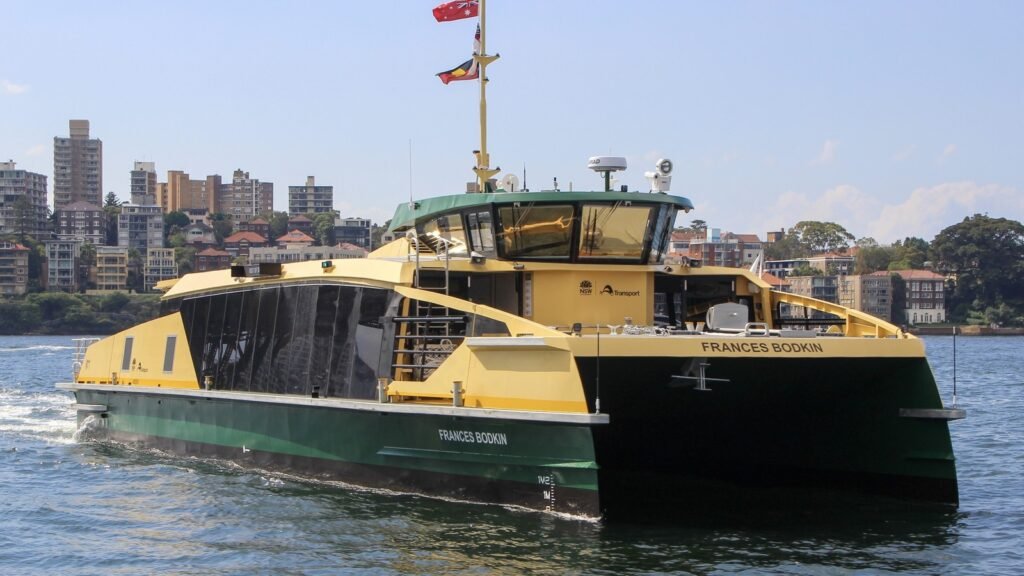
The Sydney Opera House is World Heritage listed, and Tourism Australia highlights it together with the Harbour Bridge. Take a tour or just walk around the building, then board one of the harbour ferries from Circular Quay, which Tourism Australia calls an iconic way to explore the harbour.
Leave time for a long lunch, and spend the evening on the waterfront. Wear sunscreen and a hat, since Tourism Australia says UV levels are high all year.
Day 3: Blue Mountains or Beaches
Choose one. The Greater Blue Mountains Area is inland from Sydney, covers 1.03 million hectares and includes cliffs of up to 300 metres, slot canyons and waterfalls. Tourism Australia calls it a day trip beyond the city, so check train or tour times.
If the weather is poor or you want a rest, spend the day at a beach instead. Tourism Australia names Bondi and Manly, and the ferry to Manly leaves from Circular Quay. Swim between the red and yellow flags.
Day 4: Fly to Cairns
Tourism Australia gives the Sydney to Cairns flight as about three hours. Leave early so you have an afternoon to settle in. Cairns is a gateway for the Great Barrier Reef and the rainforest, and it is a laid-back base for the next three nights.
Queensland does not use daylight saving, so during the Sydney daylight-saving period Cairns is an hour behind Sydney. Check your phone and your tour times.
Day 5: The Great Barrier Reef
Plan a full-day boat trip. The Great Barrier Reef covers 348,000 square kilometres, according to UNESCO, so choose a tour that suits your comfort level and swimming ability.
Tourism Australia says snorkellers and divers must wear full-body wetsuits in stinger season, and Queensland’s government says marine stingers are present in tropical waters all year with higher risk from November to May. Use reef-friendly sunscreen of SPF30 or higher, follow the crew’s instructions and do not touch or stand on coral. If you get seasick, take your usual remedy before the boat leaves.
Day 6: Daintree and the Rainforest
Spend today in the Wet Tropics of Queensland, which UNESCO says stretches for about 450 kilometres along the northeast coast and holds relicts of the ancient Gondwanan forest. Choose a guided tour so that you can learn about the plants, wildlife and Aboriginal connections to the land.
Crocodiles live in northern Queensland. Queensland’s government says to swim only in designated safe areas and to obey warning signs, and that there may be crocodiles even where there is no sign. Wear insect repellent and light clothing, since Canadian advice lists dengue as a risk.
Day 7: Fly to Melbourne
Fly south to Melbourne. Check schedules and baggage rules with your airline, because direct and connecting options vary by day. Melbourne Airport is 22 kilometres from the city, according to Tourism Australia.
Spend the evening in the laneways. Tourism Australia highlights Hosier Lane for street art and hidden cafés, and Melbourne is known for coffee and dining.
Day 8: Melbourne
Start with a coffee, then visit the National Gallery of Victoria, which Tourism Australia lists among the city’s galleries. The Royal Exhibition Building and Carlton Gardens are also on UNESCO’s World Heritage List.
Tourism Australia says Melbourne has a free City Circle tram line with historical commentary, which is an easy way to see the central city. If a match is on, an Australian Rules football game is a classic way to spend an evening.
Day 9: Great Ocean Road
The Great Ocean Road is the classic day trip from Melbourne, and Tourism Australia lists the drive from Torquay to Nelson at about six hours. A day tour covers a lot of ground, so decide whether you want a long day on a coach, a hire car or a shorter alternative such as the Yarra Valley or Phillip Island, which Tourism Australia also lists near Melbourne.
If you drive, remember that traffic drives on the left, hire an automatic car if you are not used to it and avoid driving when tired. Read our Australia coastlines guide for more on the coast and water safety.
Day 10: Departure
Allow plenty of time for the airport. Melbourne Airport is about 22 kilometres from the city. Before you shop or pack, check the rules on goods you cannot take out or must declare, and if you bought goods, ask about the Tourist Refund Scheme, which is processed at the airport on departure.
Australia Travel Tips
- Sun. Use SPF30 or higher, a hat and sunglasses, and take extra care from 10 am to 3 pm.
- Biosecurity. Complete the Incoming Passenger Card and declare food, plants and animal products. Do not pack snacks from home without checking the rules.
- Water. Swim at patrolled beaches between the flags and never swim alone or at night.
- Time zones. New South Wales and Victoria use daylight saving from the first Sunday in October to the first Sunday in April, and Queensland does not.
- Money. The currency is the Australian dollar, and tipping is your choice. See our money and budgeting guide.
- Packing. Pack layers, sun protection and a swimsuit. See our packing guide.
Where to Stay on This Itinerary
In Sydney, choose a base near Circular Quay or a train station, which makes ferries and day trips easy. In Cairns, stay near the waterfront and ask where your reef operator departs. In Melbourne, a base in or near the central city lets you use the free City Circle tram.
Book early in peak season, and read our accommodation guide for how to compare options.
Best Time for This 10 Day Australia Itinerary
The north and the south want different seasons. Tourism Australia says the tropical north’s dry season runs from about May to October, while September to November and March to May are good shoulder seasons in the south. That makes May, September and October a good compromise for this 10 day Australia itinerary.
December to February is the busiest and most expensive period, and the north is in its wet season, with cyclone and stinger risk, from about November to April. Check forecasts before you book.
Is 10 Days Enough for Australia?
Tourism Australia says six to 10 days is often enough to get a good taste of Australia, and recommends choosing the east or west coast. Ten days on the east coast covers the highlights but leaves little slack.
With seven days, drop Melbourne or the rainforest day. With 14 days, add Uluru, which Tourism Australia says is three to three and a half hours by direct flight from Sydney or Melbourne, or Tasmania, which is just over an hour’s flight from Melbourne.
Final Thoughts on This 10 Day Australia Itinerary
The best Australia itinerary is not the one that covers the most ground. It is the one that leaves enough time for the flights, the reef day and the evenings in a city you enjoy.
Apply for your ETA early, book the reef trip and domestic flights first, and read the current government advice. Use this 10 day Australia itinerary as a starting point, then adjust it to your dates and interests. For more help, see our Australia travel guide and how to plan a better trip.