
Argentine food is one of the main reasons to visit. Meals revolve around grilled beef, bread, cheese, pasta, pastries and dulce de leche, and the north, Patagonia and wine country add their own specialties. This guide to what to eat in Argentina explains the dishes you will see most often, the regional foods worth looking for and the practical details that make eating easier.
It focuses on dishes a first-time visitor is likely to meet in Buenos Aires, Iguazú, Patagonia and the main tourist routes. Menus, prices and opening hours vary, so use this guide as a starting point and ask staff if you are unsure about an ingredient.
What to Eat in Argentina: Start with the Basics
Argentina’s food reflects its mix of local and immigrant traditions. Buenos Aires’ official tourism site says Italian influence is strong in the city, and that pizza is typically deep, spongy and shared. The national tourism site adds that cheese goes into many dishes, including pizza, medialunas, milanesa napolitana and empanadas.
A good first checklist is an asado, a few empanadas, a milanesa, something with dulce de leche, a medialuna with coffee and a glass of Malbec. Meals are social and slow, so ordering a few dishes for the table is an easy way to taste more.
The Asado Ritual
The official tourism site describes the asado as a social ceremony built around grilled meat, usually beef, served with a tomato and lettuce salad. It is often a Sunday gathering that can last many hours.
A traditional asado follows an order:
- Picada. A platter of cold cuts, cheeses and bread served before the meal.
- Choripán. A chorizo sandwich, usually the first item off the grill.
- Achuras. Offal such as morcilla (blood sausage), chinchulín and molleja (sweetbreads). Skip them if they do not appeal, but know that they are part of the tradition.
- Cuts of beef. The tourism site names asado (short ribs), vacío (flank steak), entraña (skirt steak) and bife de chorizo (strip loin).
- Sides. Salads, grilled vegetables and potatoes, plus chimichurri, a sauce of parsley, oregano, garlic, vinegar, chili and oil.
Grilled provoleta cheese is also a common starter. The grill master is called the asador, and when the last bite is eaten guests traditionally say “un aplauso para el asador”. Restaurants called parrillas serve the same food without the long afternoon. Menus often describe how a steak is cooked in Spanish, so ask the server what “jugoso”, “a punto” and “bien cocido” mean in practice.
Everyday Dishes
These are the dishes to know first when you are deciding what to eat in Argentina.
Empanadas
Empanadas are small filled pastries, baked or fried. The national tourism site says every province has its own version. The northern Salta style has chopped beef, potatoes, green onion and spices and is baked in a clay oven, while the Tucumán style has chopped meat, white onion, hard-boiled egg and cumin in a thicker crust. In Buenos Aires you will also find ham and cheese, chicken and vegetable fillings.
Milanesa
Milanesa is thin breaded meat, baked or fried, and the tourism site compares it to a schnitzel. It is a common lunch dish, and a milanesa napolitana adds cheese on top.
Choripán
Choripán is a grilled sausage in a crusty bun, topped with chimichurri. The tourism site notes that TasteAtlas ranked it first in the street food category in 2023. It is cheap, filling and found at street stalls and at the start of an asado.
Pizza and Pasta
Italian influence shows up in pizza and pasta. Buenos Aires’ official tourism site lists styles such as pizza a la piedra (stone-baked), al molde (deep-pan) and pizza cooked on the parrilla grill.
Locro
Locro is a thick stew of corn, squash, beans and meats, and the tourism site says it is often topped with a spicy sauce. Buenos Aires’ tourism site says it is usually eaten in winter, and it is associated with patriotic holidays.
Regional Specialties
The north (Salta, Jujuy and Tucumán). The tourism site names humita, fresh corn mixed with squash, onion and cheese and steamed in corn husks, and tamales, which it says Simoca in Tucumán is known for. Calapurca is a soup-stew from the Jujuy Puna, and llama appears on some menus. Quesillo, a fresh stringy cheese, comes with sugarcane syrup, and the vigilante pairs cheese with a jam made from cayote, an Andean fruit.
Patagonia and Tierra del Fuego. The official Ushuaia page lists Fuegian lamb, spider crab, toothfish and trout among the local foods to try.
Mendoza. Mendoza is known for wine, and the tourism site says more than 300 wineries welcome visitors. Many offer tastings with food pairings, and some wineries have restaurants.
Sweets and Pastries
Sweets are a big part of what to eat in Argentina, and the tourism site lists nine must-try treats:
- Dulce de leche. A milk-and-sugar confection eaten on its own or used in desserts.
- Alfajores. Two cookies filled with dulce de leche and often coated in chocolate. Santa Fe, Tucumán and Córdoba each have their own version.
- Facturas. A group of pastries that includes medialunas, often eaten with mate or coffee. The page says medialunas come in a sweet butter version and a salty version made with beef fat.
- Vigilante. Fresh cheese topped with quince paste or sweet potato jam.
- Mixed flan. Flan served with dulce de leche and cream.
- Pastelitos. Crispy pastries filled with quince paste or sweet potato jam, traditionally eaten on 25 May.
- Panqueques. Thin pancakes, most often filled with dulce de leche.
- Torta frita. A fried round of dough, typical of the Río de la Plata area.
- Chocotorta. A chilled cake of chocolate cookies, dulce de leche and cheese spread.
Ice cream shops, called heladerías, are common in Buenos Aires, from large chains to small independent producers.
Drinks: Mate, Wine and Fernet
Mate is an infusion of yerba mate, drunk from a gourd through a metal straw called a bombilla. The national tourism site describes it as a ritual of friendship and shared stories, and in a group everyone drinks from the same gourd. Our Argentina culture guide explains the etiquette.
Wine. Malbec is the signature red, and the tourism site calls Luján de Cuyo in Mendoza the land of the best Malbecs in the world. In the north, Cafayate in Salta is known for Torrontés, a white wine.
Fernet with cola. The asado page notes that this popular drink began in Córdoba.
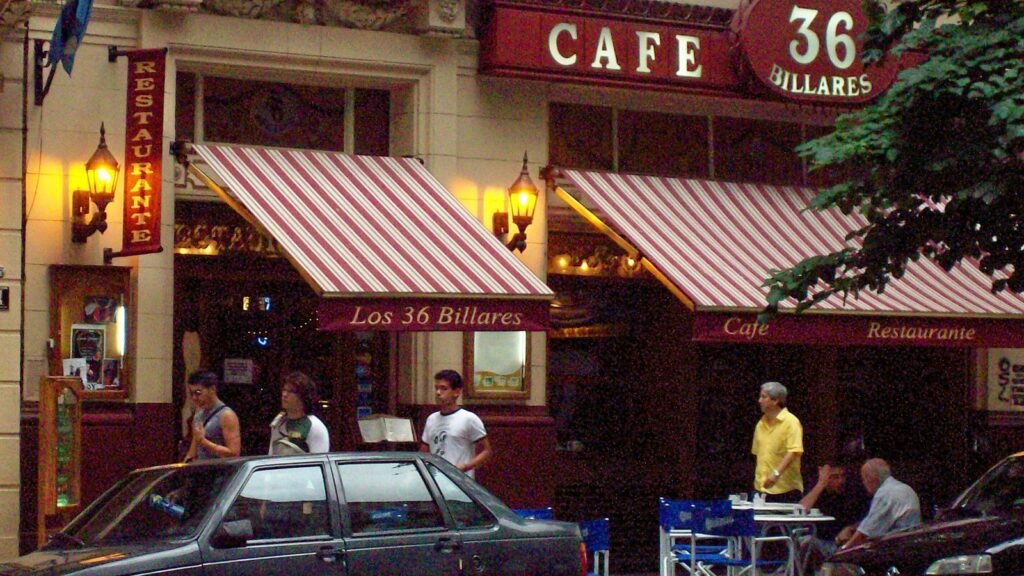
Coffee. Cafés serve a café cortado with medialunas for breakfast, and historic cafés in Buenos Aires are worth a stop for the atmosphere.
A Typical Day of Eating in Argentina
Breakfast is light, often coffee and a medialuna. Buenos Aires’ tourism site says restaurants usually serve lunch, close and reopen for dinner, and cafés serve merienda, a late-afternoon snack of coffee and cake. Dinner runs from about 8 pm to after midnight, with prime time from 9:30 pm.
A simple plan is a medialuna breakfast, an empanada or milanesa lunch, merienda with an alfajor, and a long dinner. If you want to eat earlier, look for cafés and casual spots that serve food through the afternoon.
Practical Dining Tips for Argentina
A few local habits make it easier to decide what to eat in Argentina and when to eat it.
Dinner Times and Booking
Porteños eat late, and the official site says you may be the only diner before 9 pm. Book ahead at popular restaurants, especially on weekends.
Tipping and the Cubierto
Tipping is not required by law, but the national tourism site says it is a deeply rooted custom, usually 10% of the bill. You can leave cash, add it to a card payment when asked, or send it by bank transfer using the venue’s alias. Some restaurants add a separate table charge called a cubierto, so check your bill.
Food Safety
The CDC advises choosing safe food and drinks, washing your hands often and treating water when needed. Canadian advice lists travelers’ diarrhea among the health risks, so eat at busy places and ask your accommodation whether tap water is considered safe. The CDC also reports increased leptospirosis cases and advises avoiding floodwater and untreated freshwater.
Allergies
Cheese, wheat flour, eggs and nuts appear in many dishes and pastries. Tell staff clearly about allergies, and consider carrying a card that explains them in Spanish.
Vegetarian and Vegan Travelers
Argentine menus lean heavily on meat, but vegetarians can eat well. The asado page lists grilled vegetables, eggs and salads as sides, and empanadas often come with vegetable fillings. In the north, humita and quesillo are meat-free options. Ask whether stews and fillings contain meat or beef fat.
Money and Bills
Foreign cards are accepted in the main cities, but Canadian advice says cash withdrawals from foreign accounts have low limits and can carry substantial charges. Carry some cash for tips, markets and smaller places.
Experience Argentina Through Its Food
The best way to learn what to eat in Argentina is to build meals around the places you visit. Order empanadas in the north, lamb or seafood in the south, Malbec in Mendoza and a long asado in Buenos Aires.
For wider planning, read our Argentina travel guide, see how food fits into our 10 day Argentina itinerary, and compare dishes with our guides to what to eat in Brazil and what to eat in Peru.