
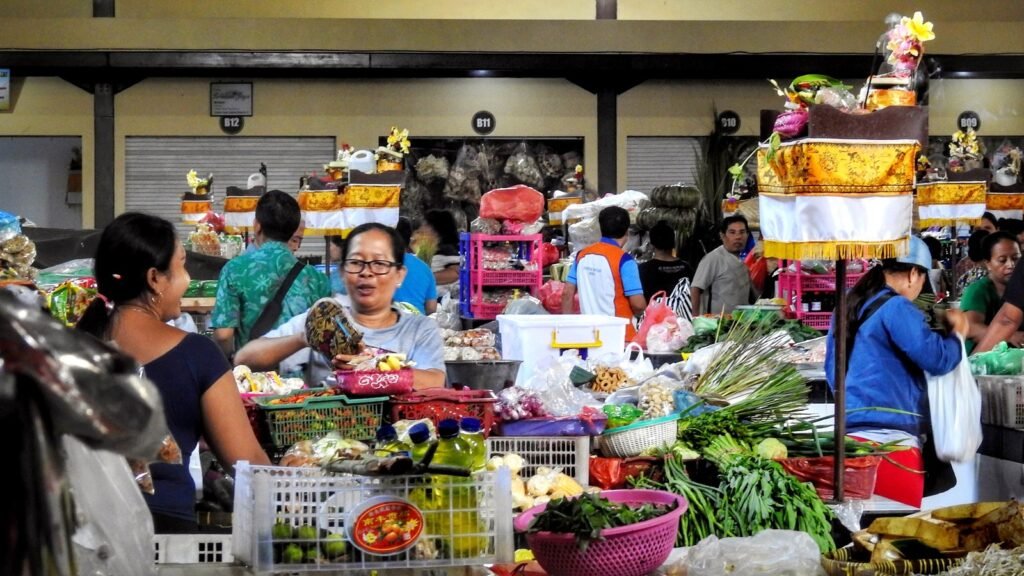
Indonesian food is one of the main reasons to visit. Meals are built around rice, chili, coconut and peanut sauce, and every island adds its own twist. This guide to what to eat in Indonesia explains the dishes you will see most often, the regional specialties worth looking for and the practical details that make eating easier and safer.
It focuses on dishes a first-time visitor is likely to meet in Bali, Java and the major tourist areas. Menus, prices and food safety conditions vary, so use this guide as a starting point and ask staff if you are unsure about an ingredient.
What to Eat in Indonesia: Start with the Basics
The official tourism site lists five national dishes: nasi goreng, sate, soto, rendang and gado-gado. You can find all five almost everywhere, from roadside stalls and family restaurants to hotel dining rooms, and they make a good first checklist.
Most meals come with rice, which is the center of the plate. Side dishes, sambal chili paste and crackers are shared, so ordering a few dishes for the table is an easy way to taste more.
Everyday Dishes
These are the dishes to know first when you are deciding what to eat in Indonesia.
Nasi Goreng
Nasi goreng is Indonesian fried rice. The tourism site says it is leftover rice fried with sweet soy sauce and spices, often served with an egg and cucumber. It is sold at street stalls and in luxury hotels and is common at breakfast as well as dinner, which makes it an easy dish to start with.
Sate
Sate is marinated meat grilled on skewers over charcoal and served with peanut sauce. The tourism site notes regional versions such as sate ayam (chicken) in Java and sate lilit in Bali. If you avoid certain meats, ask what the skewers contain before you order.
Soto
Soto is a soup, usually with a turmeric and lemongrass broth, noodles, bean sprouts and cabbage. Regional versions differ. Soto Betawi, from Jakarta, is a thicker soup made with coconut milk and beef or offal, topped with crispy emping crackers, according to the tourism site.
Gado-Gado
Gado-gado means “mixture.” It is steamed vegetables with tofu or tempeh in a peanut sauce, and it is one of the easiest dishes for vegetarians. Tell staff if you have a peanut allergy, because peanut sauce appears in many Indonesian dishes.
Rendang
Rendang is a slow-cooked dish from the Minangkabau people of West Sumatra. The tourism site describes beef or lamb simmered in chili and coconut milk until the sauce is thick and almost dry. The site also notes that rendang and nasi goreng have been named among the world’s best foods in CNN lists, although rankings change from year to year.
Regional Specialties
Indonesia has many regional cuisines. A few you may meet on a first trip:
- Bali. Nasi campur Bali is steamed rice served with several side dishes, such as sate lilit and ayam betutu, seasoned with a spice paste called basa genep, according to the tourism site.
- Jakarta (Betawi). Soto Betawi and ketoprak, a vegetarian street dish of rice cake, tofu and vermicelli with peanut sauce, are local favorites. Sop kaki kambing, a goat leg soup, is also associated with Betawi cooking.
- West Java (Sundanese). Batagor is fried fish and tofu dumplings served with peanut sauce.
- Central Java. Tongseng is a curry-like stew of lamb, mutton or beef with coconut milk and spices.
- West Sumatra (Padang). Sate Padang is grilled beef served with a thick spiced sauce and ketupat, which are rice cakes boiled in woven coconut leaves.
Regional dishes are one of the best parts of deciding what to eat in Indonesia, and a good reason to eat somewhere different in every place you stay.
Street Food and Snacks
Street food is a big part of what to eat in Indonesia, and simple dishes are often the most memorable:
- Bakso. A meatball soup, usually beef, served with noodles and vegetables.
- Mie ayam. Wheat noodles topped with diced chicken, seasoned with oil, soy sauce and garlic.
- Bubur. Savory chicken porridge (bubur ayam) for breakfast, and sweet versions such as bubur sumsum for dessert.
- Ketupat sayur. Rice cakes in a coconut milk vegetable stew.
- Martabak. A savory egg-filled pancake, or a thick sweet pancake with toppings such as chocolate or cheese.
If you are new to street food, start with busy stalls where food is cooked fresh and served hot, and avoid anything that looks like it has been sitting out.
Drinks and Jamu
Bottled or purified water is the safe default. Our Indonesia travel guide covers health advice in more detail.
Jamu is Indonesia’s traditional herbal drink. UNESCO added Jamu wellness culture to its Representative List of the Intangible Cultural Heritage of Humanity in 2023, and you may see jamu sold by street vendors or in cafes. Treat it as a cultural experience rather than a medicine, and ask what is in it if you have allergies or take medication. UNESCO’s list also shows a 2026 nomination for the “Culture of Tempe,” which is not yet inscribed.
Alcohol is not banned nationwide except in Aceh, according to the official tourism site, and the legal drinking age is 21. Drinking is prohibited in many public places, such as places of worship, workplaces and schools. Canadian advice warns that drinks may be spiked and that methanol-tainted alcohol has killed people, so buy from licensed venues, avoid homemade spirits and never leave your drink unattended.
A Typical Day of Eating in Indonesia
- Breakfast: bubur ayam, nasi goreng or fruit and coffee at your hotel.
- Lunch: a plate of nasi campur or a bowl of soto or bakso at a local eatery.
- Snack: martabak or fried snacks from a street stall in the evening.
- Dinner: sate or a shared meal of rice, vegetables and one or two main dishes.
Ordering a few dishes to share lets you try more in a single meal. Plan for hot weather by drinking water regularly.
Practical Dining Tips for Indonesia
A few practical habits make it easier to enjoy what to eat in Indonesia safely.
Food Safety
The CDC recommends typhoid vaccination for most travelers to Indonesia and says safe food and water habits still matter. Choose food that is freshly cooked and served hot, peel fruit yourself, and avoid ice if you are unsure where it came from. Canadian advice also lists typhoid and travelers’ diarrhea as risks. If you become ill, seek medical advice, and make sure your insurance covers medical care.
Allergies
Peanut sauce is common, and shrimp paste, fish sauce and nuts appear in many sauces and sambals. Learn the Indonesian words for your allergy and ask staff to check ingredients.
Vegetarian and Vegan Travelers
Gado-gado, tempeh and tofu dishes, vegetable curries and rice dishes with vegetables are widely available. Many sauces contain fish or shrimp paste, so ask if you want to avoid them.
Pork and Halal Food
Indonesia has a large Muslim population, so many restaurants serve halal food and may not serve pork. Pork is easier to find in places such as Bali, where traditional dishes are different. If you avoid pork or want halal food, ask before you order.
Ramadan
Canadian advice says Ramadan in 2027 is expected to begin around 7 February and asks visitors to be discreet about eating, drinking and smoking in public between sunrise and sunset. Some daytime eateries may be closed or screened, so check opening hours.
Money and Bills
Carry some cash for small eateries and markets, since cards are less widely accepted outside major cities and tourist areas. Bali’s official Do and Don’t list asks visitors not to haggle too aggressively. None of the official sources we checked sets out tipping rules, so check whether a service charge is already on your bill.
Experience Indonesia Through Its Food
Eating in Indonesia is a way to understand the country. The same ingredients, rice, chili and coconut, become very different dishes from Sumatra to Bali, and a shared meal is often the best introduction.
Use this guide to what to eat in Indonesia as a starting point, try a few unfamiliar dishes and ask locals what they recommend. For more on the places behind the food, read our Indonesia culture guide and 10 day Indonesia itinerary.
If you’re comparing food destinations in Asia, you may also want to read our guides to what to eat in Thailand and what to eat in Vietnam.