
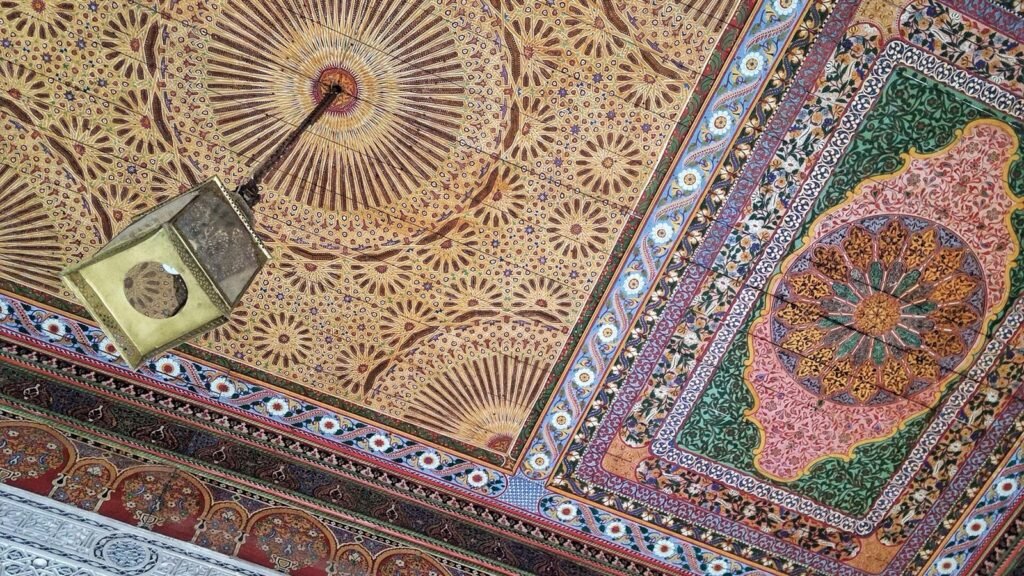
Morocco culture blends Amazigh, Arab, Islamic and French influences, and visitors feel it at once in the call to prayer, the hospitality, the markets and the way daily life is arranged around family, faith and shared meals. For travelers, the result is a country that is warm and welcoming and also has laws and customs that are stricter than many visitors expect.
This guide to Morocco culture and local customs covers greetings and language, hospitality, dress and behavior, Ramadan, the souks, the laws travelers most often meet, women and solo travel, and heritage sites. We use official sources where we found them, mainly the Government of Canada, the British government and the Moroccan National Tourist Office. Where we could not find an official source, we say so and mark the advice as our own view.
Morocco Culture and Local Customs: Understanding the Basics
Canadian advice says Islamic practices and beliefs are adhered to in Morocco’s customs, laws and regulations, and advises visitors to dress conservatively, behave discreetly and respect religious and social traditions to avoid offending local sensitivities. The FCDO says Morocco’s laws and customs are very different from those in the UK and reflect the fact that Morocco is an Islamic country.
The tourist board describes a land of hospitality where being invited for tea is a common way to get to know people. In our view, the most useful habit is simple: be polite, be patient, dress modestly and ask before you photograph or enter anywhere that looks private or religious.
Greetings, Language and Hospitality
The tourist board says Morocco has two official languages, Arabic and Amazigh, whose alphabet is Tifinagh, and that French is spoken and understood by almost all Moroccans. It adds that Spanish is widely spoken in the northern and southern regions, and that the everyday spoken language is Darija, a mix of Arabic, Amazigh, French and Spanish. English is common in tourist businesses in our view, but not everywhere.
Learning a few words is appreciated. The tourist board lists “salam” for hello, “chokran” for thank you, “smahli” for excuse me, “marhba” for welcome and “beslama” for goodbye. A handshake and a greeting before asking a question are normal. Between men and women who do not know each other, a handshake is not always offered, so it is polite to wait for the other person to extend a hand. We did not find an official source on this point, so treat it as general guidance.
The tourist board says that when you are invited, you are served tea, and that it is hard to decline. In our view, accepting at least one glass is polite and a good way to meet people.
Dress and Behavior
Dress is one of the first things visitors notice. Canada advises conservative dress, and the FCDO suggests that women consider loose-fitting clothing that covers the arms, legs and chest. In our view, the same advice makes life easier for men, with long trousers and shirts with sleeves in medinas and when visiting religious or rural areas. Beachwear belongs on the beach.
Public displays of affection are frowned upon according to Canada, and the FCDO advises avoiding showing affection in public, particularly near religious sites and in tourist areas. Keep voices down in residential lanes and be patient in queues.
Ramadan and Holidays
Ramadan is the holy month in which many Muslims fast from sunrise to sunset. Canadian advice says that in 2027 it is expected to begin on or around 7 February, and the FCDO says it begins in February 2027. Canada says visitors should not drink, eat or smoke in public between sunrise and sunset. The FCDO adds that swearing and chewing gum in public in the daytime may cause offence, that hotels and restaurants serving food during fasting hours may separate you from Muslim guests with screens and that driving can be erratic around dusk, when people are heading home.
Check opening hours for shops and restaurants, expect tiredness in the late afternoon and be patient. Many visitors find the evenings, when the fast is broken and the streets fill, a memorable time to be in Morocco. We did not read an official calendar of other holidays, so check dates with your hotel before planning around them.
Souks, Bargaining and Guides
The souk is where much of Moroccan commerce still happens, and bargaining is expected for goods such as ceramics, leather, carpets and metalwork. Start well below the first price, stay friendly and be ready to walk away. The tourist board lists Darija phrases for shopping, including “bch’hal afak” for how much is this and “ghali bezaf” for that is too expensive. A price agreed in a friendly way is a price agreed, so only bargain for things you actually want.
The FCDO says people posing as official tourist guides often harass tourists in medinas, and advises using a guide who has an official badge and permission from the local authority. Canada says to hire only official guides recommended by hotels, travel agencies or local tourist authorities. Say no politely to unofficial offers of directions, and agree any guide’s fee before you start.
Hammams and Daily Life
The public hammam is a traditional part of daily life, and many hotels and riads offer a version for visitors. We did not find an official source on hammam etiquette, so ask your hotel about what to wear and what to expect. Friday is the main day of prayer, and Smartraveller advises taking care around Friday prayers when demonstrations are possible. Many families eat couscous together on Fridays, according to the tourist board.
Laws Travelers Should Know
Canada and the FCDO describe several laws that surprise visitors.
- Alcohol. Drinking alcohol outside licensed bars, hotels and restaurants is prohibited, and the FCDO says drinking in the street can lead to arrest.
- Drugs. Canada says penalties for possession, use or trafficking are strict, and the FCDO says Morocco has a zero-tolerance approach, including for cannabis, with long jail sentences and heavy fines.
- Religion. Canada says unauthorized importation of Bibles or other non-Islamic religious material is prohibited except for personal use, and that religious preaching is forbidden. The FCDO says attempting to convert a Muslim to another faith is illegal and can bring fines or up to three years in prison, and that public criticism of Islam can bring heavy fines and up to two years in prison.
- Relationships. Canada says extramarital sexual relations are illegal, though foreigners are almost always exempt from having to prove they are married to share a hotel room. The FCDO says using dating apps may break laws on sexual relations outside marriage.
- Same-sex relations. Canada says Moroccan law prohibits sexual acts between people of the same sex and advises 2SLGBTQI+ travelers to consider the risks carefully, and the FCDO says same-sex sexual relations are illegal and that showing affection in public can lead to prosecution.
- The monarchy. Canada says the person of the King is inviolable and respect is due to him, and that people are expected to avoid any criticism of the monarchy.
- Photography and drones. Do not photograph military or security installations, and the FCDO says to ask permission before photographing people, especially children. Canada says drones and surveillance equipment are prohibited and will be confiscated.
Women and Solo Travel
Canadian advice says women traveling alone may be subject to certain forms of harassment and verbal abuse, and it adds that women and girls can be harassed when wearing swimsuits and suggests tourist beaches instead of public ones. The FCDO says women may receive unwanted attention, especially when traveling alone. In our view, conservative clothing, a confident, brief response to unwanted comments, licensed taxis after dark and a well-located hotel make a real difference. Canada also advises against hiking alone in remote mountain regions.
Heritage Sites
UNESCO lists nine World Heritage properties in Morocco, all cultural: the Medina of Fez (1981), the Medina of Marrakesh (1985), the Ksar of Ait-Ben-Haddou (1987), the Historic City of Meknes (1996), the Archaeological Site of Volubilis (1997), the Medina of Tetouan (1997), the Medina of Essaouira (2001), the Portuguese City of Mazagan (El Jadida) (2004) and Rabat, Modern Capital and Historic City: a Shared Heritage (2012).
UNESCO’s intangible heritage page for Morocco also lists living traditions, including, according to our search of UNESCO’s lists, the cultural space of the Jemaa el-Fna square in Marrakech, argan practices, Gnawa music and couscous. Many of these sites are living neighborhoods, so the rules on dress, noise and photography apply directly.
Tipping and Guides
We did not find an official source on tipping. In our view, small tips of a few dirhams for porters and café service, about 10 percent in restaurants where service is not included and a larger tip for a full-day guide or driver are typical. Carry small notes, since change can be hard to find. Our travel budgeting guide covers how to plan cash.
Practical Cultural Etiquette for Travelers
Greet people before asking for help, ask permission before taking photos of people, use your right hand for eating and passing things, and remove your shoes when entering a home or if you are asked to. If you are invited to a home, a small gift such as pastries, sweets or fruit is welcome. Our guide to what to eat in Morocco explains the dishes you are likely to be offered.
Morocco Culture FAQ
What local customs should I know about in Morocco?
Canada says Islamic practices and beliefs are followed in Morocco’s customs and laws, and advises dressing conservatively, behaving discreetly and respecting religious and social traditions. Public displays of affection are frowned upon, drinking alcohol outside licensed venues is prohibited, and respect for the King is expected. In our view, polite greetings, patience and accepting a glass of mint tea go a long way.
Is alcohol legal in Morocco?
Canada and the FCDO say alcohol is available in licensed bars, hotels, restaurants and stores, but that drinking in the street or anywhere unlicensed is illegal and can lead to arrest. The FCDO also warns about deaths and serious illness from drinks containing methanol, so drink only in licensed venues.
What are the rules during Ramadan for visitors?
Canada says visitors should not eat, drink or smoke in public between sunrise and sunset during Ramadan, which it expects to begin around 7 February 2027. The FCDO adds that some hotels and restaurants serve food behind screens and that opening hours change. Many visitors enjoy the evenings, and it helps to book ahead for the sunset meal.
Is Morocco safe for women traveling alone?
Canadian advice says women traveling alone may face harassment and verbal abuse, and the FCDO says women may receive unwanted attention, especially when alone. In our view, conservative clothing, licensed taxis after dark, a central place to stay and a calm, brief response to comments help. Canada also advises against hiking alone in remote mountain regions.
Experience Morocco Culture Beyond the Sights
The best way to experience Morocco culture is to slow down. Accept a glass of mint tea, learn a few words of Darija, visit a hammam, and spend time in the quieter lanes of a medina, away from the busiest squares. Follow the laws on alcohol, dress and photography, avoid demonstrations and travel with licensed guides.
For more planning, read our Morocco travel guide, our 10 day Morocco itinerary and our guide to Morocco coastlines.