
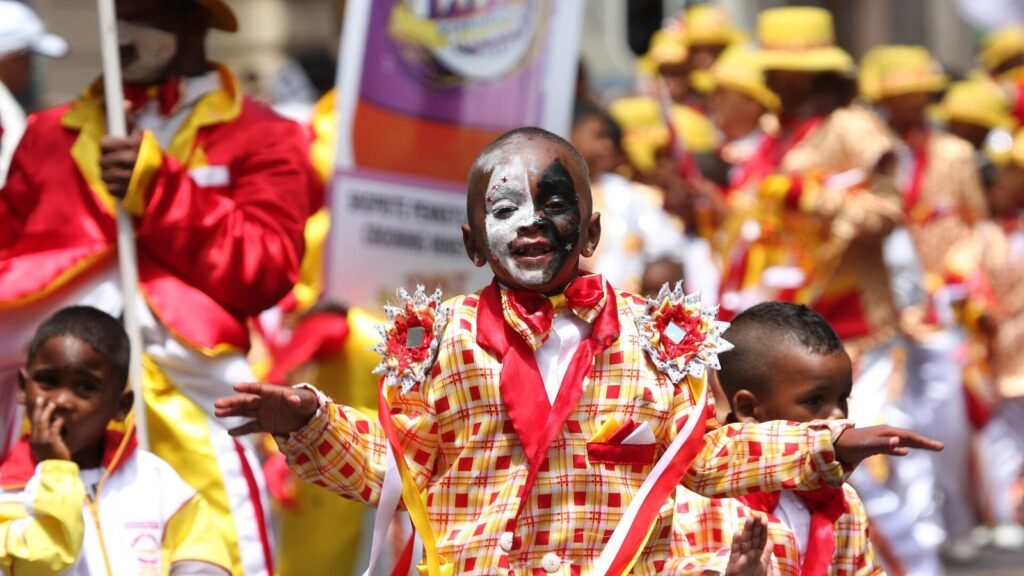
South Africa culture is one of the most layered you will meet as a traveler. Indigenous African peoples, Dutch, British, Malay and Indian communities, and decades of struggle against apartheid have shaped the languages, food, music and public memory that visitors see today. This guide explains the basics of South Africa culture and local customs, the heritage sites worth knowing, and the laws and etiquette that matter for a respectful trip, using official sources where we found them.
The South African government estimates a mid-2024 population of about 63 million people, according to gov.za, with the largest share living in Gauteng, the province around Johannesburg and Pretoria, followed by KwaZulu-Natal. Customs vary by region, community and generation, so treat what follows as a starting point and watch what the people around you do.
South Africa Culture: Understanding the Basics
South Africa is often called the “Rainbow Nation,” a phrase that points to its mix of communities. In our view, the most useful way to understand it is through language, history and place: the Zulu and Xhosa heartlands in the east and southeast, the Cape’s Dutch and Malay heritage in the southwest, Indian communities in and around Durban, and the diverse city of Johannesburg.
The country has 11 official languages, including English, Afrikaans, isiZulu and isiXhosa, and English is widely used in tourism and business. We did not read the government’s languages page for this guide, so check it if you need exact details. Learning a greeting in the local language is appreciated almost everywhere.
Greetings, Language and Everyday Manners
Greetings matter. A handshake and a friendly “hello, how are you?” before any request are normal in shops, taxis and guesthouses, and rushing straight to a question can seem abrupt. In some communities, a longer greeting or a respectful tone toward elders is expected. In our view, a few words such as “sawubona” (isiZulu), “molo” (isiXhosa) and “dankie” (Afrikaans for thank you) go a long way, though locals do not expect perfect pronunciation.
Tipping is customary in restaurants and for guides, rangers and drivers, but we did not find an official source on amounts. Ask your hotel or lodge what is usual, and carry small notes.
History and Heritage Sites
Many travelers come to South Africa to understand its history, and several of the country’s World Heritage properties tell that story. UNESCO lists 12 properties in South Africa on its state-party page, seven cultural, four natural and one mixed.
Robben Island. UNESCO says the island was used between the 17th and 20th centuries as a prison, a hospital for socially unacceptable groups and a military base, and that its late 20th-century buildings, including the maximum security prison for political prisoners, witness the triumph of democracy and freedom over oppression and racism. Visits are run by the Robben Island Museum, and tours are usually booked in advance.
Human Rights, Liberation and Reconciliation: Nelson Mandela Legacy Sites. UNESCO inscribed this property in 2024. We did not read UNESCO’s description for this guide, so check its page before planning a visit to any of the sites.
Mapungubwe Cultural Landscape. UNESCO says Mapungubwe, on South Africa’s northern border, developed into the largest kingdom in the sub-continent before it was abandoned in the 14th century. Its remains give a picture of social and political development over about 400 years.
The Maloti-Drakensberg Park. UNESCO describes the park as renowned for its landscape and its rock paintings made by the San people over a period of 4,000 years. Many paintings are in remote areas, so use a registered guide.
Early humanity sites. UNESCO lists the Fossil Hominid Sites of South Africa and, since 2024, The Emergence of Modern Human Behaviour: The Pleistocene Occupation Sites of South Africa, which point to the country’s deep human history.
Other cultural properties include the Richtersveld Cultural and Botanical Landscape and the ǂKhomani Cultural Landscape. We summarise only what UNESCO says here, so check each property’s page before you plan a visit.
Respectful Travel: Townships, Photography and Guides
Townships and informal settlements are home to millions of South Africans and are an important part of the country’s story. Canada and the FCDO both advise visiting them only with a reputable tour company or an experienced local organisation, and advise travelers who are unfamiliar with them to avoid them otherwise. A good local guide can introduce you to community projects, local food, art and history, and in our view that is a more respectful and safer way to visit than driving through on your own.
Ask before photographing people, and do not photograph police or security installations. Avoid treating people’s homes as attractions. If you are on a township tour, ask what is included, how much goes to local guides or community projects, and whether the operator is registered.
Music, Sport and Daily Life
Music is part of daily life, from church choirs and gospel to house, amapiano, jazz and traditional dance. In our view, live music in a venue recommended by your hotel is a good evening plan when you do not want to travel far after dark.
Sport is another national language. Rugby, cricket and football are widely followed, and match days draw large crowds. Check match schedules if you want to attend, and use organised transport and tickets from official sellers.
Public Holidays and Festivals
The South African government lists the national public holidays on its public holidays page. For 2027 they include Human Rights Day on 21 March (observed on 22 March), Good Friday on 26 March, Family Day on 29 March, Freedom Day on 27 April, Workers’ Day on 1 May, Youth Day on 16 June, National Women’s Day on 9 August, Heritage Day on 24 September, the Day of Reconciliation on 16 December, and Christmas Day and the Day of Goodwill on 25 and 26 December.
Holidays affect opening hours and traffic. The FCDO says fatal road accidents are common around weekends and major public holidays, so avoid long drives on peak travel days where you can, and book accommodation early for school holidays and the December period.
Laws Travelers Should Know
Drugs. Penalties for using, importing or exporting drugs are severe, according to Canada. The FCDO says personal consumption of cannabis is considered legal, but all other drug possession, use or smuggling is illegal, including when transiting through the airport.
Same-sex relationships. The FCDO says same-sex sexual activity is legal and it is illegal to discriminate based on sexual orientation. Canada nevertheless warns that criminals have targeted 2SLGBTQI+ people through online dating, so meet new acquaintances in secure and familiar places.
Wildlife products. The FCDO says it is illegal to buy, sell, kill or capture any protected wild animal or trade any of its parts without a permit, and that trading ivory or rhino horn is banned. Be cautious with souvenirs made from animal parts.
Identification. Canada says local authorities may ask to see your identification at any time and advises carrying certified photocopies of your official ID and keeping your passport and entry stamp copies safe. The FCDO says to carry a copy of your passport photo page and your visitor’s permit page and keep the passport in a hotel safe unless you need it.
Driving. Traffic drives on the left. Canada recommends an International Driving Permit because it cannot be obtained once you are in the country.
Women and Solo Travel
Canada says women traveling alone may experience harassment and verbal abuse and that violent crimes targeting women, including rape and murder, occur across the country, particularly in urban centres. The FCDO says solo and women travelers have received unwanted attention and have been assaulted. Both advise choosing accommodation with good security, being wary of recent acquaintances, and not accepting transport offers from strangers.
In our view, many solo travelers enjoy South Africa by joining small group tours, booking transport in advance and staying in well-reviewed guesthouses in safe areas, and by keeping evenings simple.
South Africa Culture FAQ
What local customs should I know about in South Africa?
In our view, greet people before asking for anything, use a handshake and a friendly tone, and learn a few words in the local language. Ask before photographing people, and visit townships only with a reputable tour operator, since Canada and the FCDO advise avoiding them otherwise if you are unfamiliar with them. Tipping is customary in restaurants and for guides, but we did not find an official source on amounts.
Is it safe to visit a township?
Canada and the FCDO advise avoiding townships and informal settlements if you are unfamiliar with them, except when you travel with an organised tour from a reputable company or with an experienced local organisation. A good guide can introduce you to local projects, food and history, and in our view that is a more respectful and safer way to visit.
Is South Africa welcoming for LGBTQ+ travelers?
The FCDO says same-sex sexual activity is legal and discrimination based on sexual orientation is illegal. Canada warns that criminals have targeted 2SLGBTQI+ people through online dating apps, so meet new acquaintances in secure, familiar places and tell someone your plans.
Is South Africa safe for women traveling alone?
Canada says women traveling alone may face harassment and verbal abuse and that violent crimes targeting women occur across the country, particularly in urban centres. The FCDO says solo and women travelers have received unwanted attention and have been assaulted. In our view, good accommodation security, pre-booked transport, small group tours and simple evenings help.
Experience South Africa Culture Beyond the Sights
The best way to understand South Africa culture is to slow down. Visit Robben Island with an open mind, take a guided township or heritage tour with a reputable operator, and spend an evening at a braai or a live music venue. Be curious, listen to the people who guide you, and respect the history behind each place you visit.
For more planning, read our South Africa travel guide, our guide to what to eat in South Africa and our guide to South Africa coastlines. Our passports, visas and entry requirements guide explains how to check the entry rules for your own passport.