
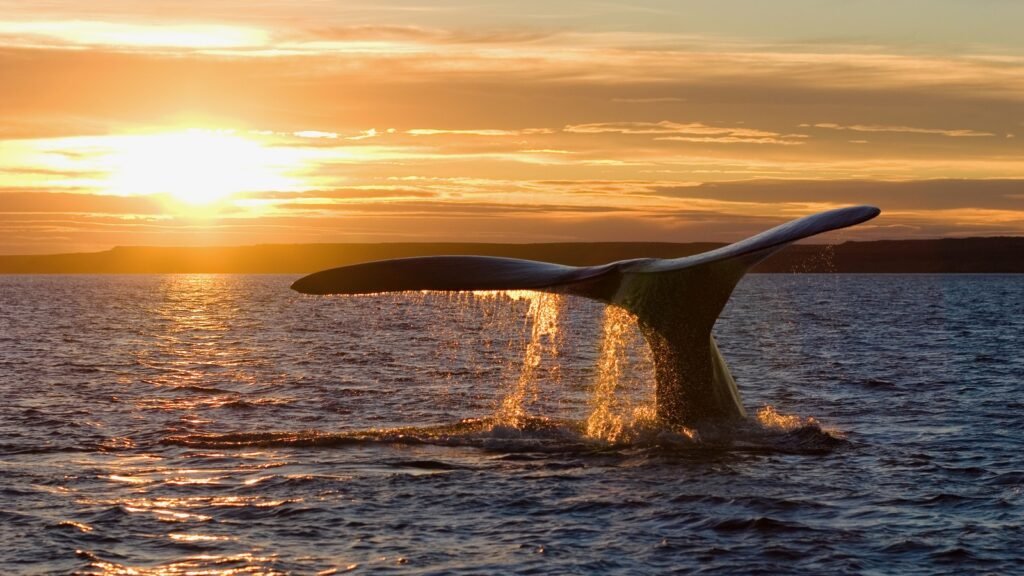
The Argentina coastlines are not what many travelers expect. There are lively beach resorts south of Buenos Aires and a warm-water bay in Río Negro, but most of the Atlantic coast is a wildlife shore, with whales, penguins, sea lions and elephant seals, and it ends at the Beagle Channel near the southern tip of South America. This guide to Argentina coastlines explains the main coastal regions, the seasons, the safety basics and how to fit the coast into a trip.
It focuses on the places a first-time visitor is most likely to reach. Wildlife seasons, access rules and sea conditions change, so check with local operators and official park information before you book.
Argentina Coastlines: Where to Start
Argentina’s Atlantic coast stretches from the beaches of Buenos Aires province through the bays of Río Negro and Chubut to the far south. The country’s tourism site says the coast of Buenos Aires province is about 320 kilometers from the capital, with sand dunes, beaches and forests and a summer season from December to March. Further south the focus shifts from sunbathing to wildlife, and in Tierra del Fuego the main experience is a boat trip on the Beagle Channel.
A simple way to choose is by interest. Pick the Buenos Aires province resorts for a classic beach holiday, Las Grutas for warmer, calmer water, Península Valdés and Punta Tombo for wildlife, and Ushuaia for the far south.
Buenos Aires Province: Mar del Plata and the Resort Coast
The beach resorts south of Buenos Aires are where many Argentines spend their summer. The tourism site describes Mar del Plata, nicknamed the “Happy City”, as the main city of the coast, with a reputation for gastronomy and a summer theatre season whose plays run for about a month and a half and usually sell out quickly. Peralta Ramos Forest has walks among the treetops. Other resorts include Pinamar, known for its architecture and its beach stands called paradores, nearby Cariló, set in a forest, and Villa Gesell, which is popular with younger visitors.
Beach life has its own customs. The tourism site says renting a tent at a beach club, called a balneario, gives you a private spot, shade, access to swimming pools and a restaurant. Vendors on the beach sell corn on the cob, churros with dulce de leche, ice creams and torta fritas. These resorts are busiest in high summer, so book early for January and February, and expect them to be quiet in winter.
Las Grutas and the Río Negro Coast
Las Grutas in Río Negro is a different kind of beach. The tourism site says its tranquil water can reach up to 25 °C because of a microclimate created by the Golfo San Matías, and it sits within the Bahía de San Antonio Natural Protected Area with water sports on offer.
Nearby, Punta Perdices is about 65 kilometers from Las Grutas, and the tourism site says its landscape changes with the tide, so check tide times before you walk the beach. Las Conchillas is about 60 kilometers away, with sand covered in shells, so bring suitable footwear. The tourism site also says humpback, minke and sei whales are present from October to March at Las Grutas, so a beach day can include a chance of whale sightings.
Península Valdés and Puerto Madryn
Península Valdés in Chubut is the main wildlife stop on the Argentine coast. UNESCO says it is a site of global significance for the conservation of marine mammals, with a breeding population of the endangered southern right whale, southern elephant seals and southern sea lions, and orcas that have developed a unique hunting strategy. The peninsula reaches more than 100 kilometers into the South Atlantic.
Whales. The official tourism site says southern right whales arrive in late May and stay until mid-December, with an official season from June to December. July and August are best for watching from land, when mothers and calves swim close to shore, for example at El Doradillo beach, about 15 kilometers from Puerto Madryn. September and October are considered the best months for boat tours, with more breaching and calf play.
Boat trips. The site calls Puerto Pirámides the only authorized place in Argentina for nautical whale watching, with boats running daily from June to December. Tours last 1.5 to 2 hours in semi-rigid boats or catamarans with guides, and they depend on sea conditions.
Elephant seals and sea lions. The main elephant seal colonies can be seen from September to November, and the best time is late September and October. Sea lions live along the coast year round.
Orcas. Orcas hunt sea lions at Punta Norte between March and May, and sightings need luck and timing. The tourism site advises arriving a couple of hours before high tide.
Planning. The site recommends two to three days, says the area is very windy and suggests a windbreaker. Puerto Madryn is about 56 kilometers from the peninsula by road, and you can fly from Buenos Aires to Puerto Madryn or to Trelew, which is 66 kilometers from Puerto Madryn.
Punta Tombo and the Penguin Coast
Magellanic penguins nest along the Patagonian coast. The tourism site says four species live on the Patagonian Sea shores and can be seen from September to March, with chicks in December. It names Punta Tombo in Chubut as one of the most important continental colonies, along with Península Valdés, Cabo Dos Bahías, Isla Pingüino and Monte León National Park in Santa Cruz, and Isla Martillo in Tierra del Fuego. Yellow-plumed penguins breed at Isla Pingüino near Puerto Deseado, reached by boat.
Other wildlife includes Commerson’s dolphins, which the site says can be seen on boat trips from Puerto Deseado, Puerto San Julián and Rawson, and sea lions and elephant seals around Cabo Curioso near San Julián. This stretch is remote, so allow plenty of time and book guided visits.
Ushuaia and the Beagle Channel
The official tourism site calls Ushuaia the southernmost city in the world. The main coastal experience is a boat trip on the Beagle Channel, which passes sea lions, cormorants and the Les Éclaireurs Lighthouse, also known as the Lighthouse at the End of the World. Isla Martillo has Magellanic penguins and a small gentoo breeding colony, and the site says king penguins are sometimes seen there.
Season. The site gives December to March as high season, with temperatures of about 5 to 12 °C and up to 18 hours of daylight. Winter runs from June to September, with temperatures of about 0 to minus 10 °C and snow.
Getting there. Ushuaia has flights from Buenos Aires, Córdoba, El Calafate and Santiago, with about 3.5 hours of flying from Buenos Aires and about 1 hour 25 minutes from El Calafate. Nearby, Tierra del Fuego National Park has forest trails, lakes and rivers, and the End of the World Train is a restored ride through the valleys.
Weather and the Best Coast for Your Travel Dates
- December to March: Beach resorts south of Buenos Aires, Las Grutas, and the long daylight of Ushuaia.
- June to December: Southern right whales at Península Valdés, best for boat tours in September and October.
- September to March: Penguin colonies, with chicks in December.
- September to November: Elephant seal colonies.
- March to May: Orca hunts at Punta Norte.
- October to March: Humpback, minke and sei whales at Las Grutas and in the Beagle Channel.
Patagonian weather is windy and can change quickly, and boat trips can be cancelled when the sea is rough. Keep a day spare in your plan if you can.
Swimming and Beach Safety
Canadian advice says riptides occur in Argentina and that rescue services may not meet international standards. Swim only where you see lifeguards or other swimmers, ask your accommodation about local conditions and pay attention to flags and tides. The water in much of Patagonia is cold, so many visitors come for the wildlife rather than the swimming.
The CDC advises against swimming or wading in fresh, unchlorinated water such as lakes, ponds or rivers, and it reports increased leptospirosis cases in Argentina, with higher risk after floods or heavy rain. Protect yourself from the sun and wind. The tourism site recommends a windbreaker for Península Valdés, and sunglasses and sunscreen for the glaciers.
Responsible Wildlife Viewing
Wildlife viewing in Argentina is organized around authorized operators. The tourism site says all whale-watching excursions must use authorized operators that follow environmental protocols, so choose licensed boats and guides. Keep to marked paths in penguin colonies and seal reserves, never touch or feed animals, and keep your distance from nesting birds and young animals. Follow the rules at each reserve, because they can change from season to season.
Getting to the Coast
Distances are large. Fly to Puerto Madryn or Trelew for Península Valdés and the Chubut coast. For the Buenos Aires province resorts, buses and cars cover the roughly 320 kilometers from the capital. Canadian advice describes a high rate of traffic accidents and says to carry an International Driving Permit, and theft from parked cars, especially rental cars, is common, so never leave valuables inside a car.
Flights to the far south are the practical choice for Ushuaia. Canada notes that it does not assess foreign domestic airlines against international safety standards, so compare operators and allow buffer time before any international flight.
Choosing the Right Argentina Coast
- Classic beach holiday: Mar del Plata, Pinamar or Villa Gesell from December to March.
- Calmer, warmer water: Las Grutas.
- Whales: Península Valdés between June and December, with September and October for boat tours.
- Penguins: Punta Tombo and the Chubut coast between September and March.
- The far south: Ushuaia and the Beagle Channel in summer.
Adding the Coast to an Argentina Itinerary
If you have 7 days, keep to Buenos Aires and one coastal stop. With 10 days, our 10 day Argentina itinerary focuses on Buenos Aires, Iguazú and Patagonia, and you can swap El Calafate for Puerto Madryn if whales or penguins matter more to you than glaciers. With 14 days, you can combine Península Valdés with El Calafate or Ushuaia.
The best way to see the Argentina coastlines is to choose the animals or beach you most want to see, then travel in the season when they are there.
Experience Argentina Beyond the Coast
The Argentina coastlines are only one side of the country. For wider planning, read our Argentina travel guide, explore what to eat in Argentina, and compare coasts with our guides to Brazil coastlines and Peru coastlines.