
If you are wondering what to eat in New Zealand, think of simple, fresh food from the sea and the farm, with Māori traditions, Pacific influences and a strong café and wine culture on top. Tourism New Zealand describes Kiwis as people who love their food, and it is easy to eat well on a first trip if you know what to look for.
This guide covers the dishes worth trying, the drinks, and some practical tips for markets, restaurants and tipping. It is one part of our New Zealand travel guide.
What to Eat in New Zealand: Start with the Basics
Tourism New Zealand’s list of favourite foods starts with crayfish and seafood, lamb, hāngī, fish and chips, wine and beer, the summer barbecue, pavlova, sweets, pies and artisan cheese. With more than 14,000 kilometres of coastline and a large farming industry, much of what you eat is local and seasonal.
A simple plan for a first trip is to try a pie and fish and chips in your first few days, a roast lamb dinner or a barbecue, seafood on the coast, a hāngī or other Māori meal with Māori hosts, and a glass of local wine. Keep an eye on the season, because Tourism New Zealand also publishes a guide to food by season.
Meat Pies, Fish and Chips and Everyday Classics
Pies. Tourism New Zealand says that mince was traditionally the only pie flavour, but today the fillings are limited only by the baker’s imagination. Pies come in buttery flaky pastry, often in a paper bag. Bacon and egg, steak and cheese and potato-top pies are Kiwi classics, and the page also mentions pies with hāngī or creamed pāua. Tourism New Zealand also mentions an annual supreme pie awards, so a good bakery is easy to find.
Fish and chips. This is a takeaway you can find in almost every town. Tourism New Zealand describes fresh fish in crisp batter with hot chips, often served with white bread and tomato sauce, best enjoyed by the beach on a warm evening. Many restaurants also serve it with a seasonal salad.
Barbecues. Cooking outside is described as an essential part of Kiwi culture, with lamb, beef, sausages and poultry served with potato salad, garlic bread and fresh salads. Tourism New Zealand points to the Earnslaw cruise to Walter Peak Gourmet BBQ in Queenstown as one way to try it.
Lamb and Farm Produce
Roast lamb is a favourite, and Tourism New Zealand says New Zealand lamb is held in high esteem around the world and is one of the country’s top export meats. It is often served with rosemary and roasted seasonal vegetables.
Dairy is another strength. The same page describes world-class artisan cheese made from cow, sheep and goat milk, from blue cheese to sharp vintages and creamy soft cheeses. Cheese tastings are a pleasant stop in wine regions. Fruit is also plentiful: stone fruit and fruit salads of kiwifruit, feijoa and passionfruit are mentioned as healthy options.
Seafood and Shellfish
With so much coast, seafood is a highlight. Tourism New Zealand points to Kaikōura for crayfish, which is where the town’s name comes from: in te reo Māori, kai means food and kōura means crayfish. It also mentions seafood caravans along the coast there, creamy green-lipped mussels in Marlborough, especially around Havelock, and king salmon around Aoraki Mount Cook.
Tourism New Zealand says Kaikōura remains in recovery after flooding in July 2026 and advises checking the district council’s updates before visiting, so confirm conditions on its Kaikōura page before planning a stop. If you gather shellfish yourself, follow local rules and health warnings.
Hāngī and Māori Food
A hāngī is a traditional Māori earth oven. Tourism New Zealand explains that food is cooked in a pit dug in the ground, with baskets set on hot stones and covered with a wet cloth and a mound of earth. It stays in the ground for about three to four hours. Modern versions use pork, lamb, potato, pumpkin and cabbage, and baskets or foil rather than flax leaves.
Hāngī is now mainly prepared for events and celebrations, and a shared meal is part of manaakitanga, or hospitality. The best way to try one is with Māori hosts. Tourism New Zealand lists Rotorua venues such as Whakarewarewa Living Māori Village, Tāmaki Māori Village and Te Puia, where local iwi also cook food in natural thermal steam. The Waitangi Treaty Grounds in the Bay of Islands offers a hāngī and concert as an evening experience in the warmer months. Read more about Māori culture and manners before you go.
Sweets and Baking
Pavlova. This meringue dessert topped with whipped cream and fresh fruit is described as a permanent fixture at the Christmas table.
Hokey pokey. Tourism New Zealand tells visitors to try this ice cream of creamy vanilla with crunchy honeycomb balls.
Chocolate and lollies. The same page mentions Whittaker’s chocolate, Cookie Time cookies, Pineapple Lumps and Jaffas as favourites, and Lemon & Paeroa, known as L&P, as a non-alcoholic soft drink created in 1907. Check your own country’s customs rules before you pack food to take home.
Wine, Beer and Other Drinks
New Zealand wine is a major reason to visit. Tourism New Zealand names full-bodied pinot noir, light and fruity sauvignon blanc and peppery syrah, and says craft breweries and cideries are growing in popularity. Non-alcoholic options include L&P and feijoa and other fruit juices.
New Zealand Winegrowers describes wine regions from subtropical Northland to Central Otago, one of the world’s most southerly wine areas, and says no vineyard is more than 130 kilometres from the ocean. It calls Marlborough the flagship region, associated with sauvignon blanc, Hawke’s Bay the second largest, and Central Otago a home of pinot noir. Auckland’s Waiheke Island has about 30 wineries and is an easy day trip.
Tourism New Zealand says Wellington, Marlborough, Wairarapa and Hawke’s Bay sit on the Classic New Zealand Wine Trail, which covers regions making more than 80% of the country’s wine. Drink responsibly: drink-driving is a serious crime, and Canadian advice says many road deaths involve alcohol or drugs. Use a tour, taxi or designated driver. The minimum age to buy alcohol is 18, and police say a passport is one of the accepted forms of ID.
Markets, Regional Food and Dining Tips
Prices and tipping. Tourism New Zealand says the 15% Goods and Services Tax is included in displayed prices, that hotels and restaurants do not add service charges, and that tipping is not obligatory, though leaving something for great service is up to you. Cards are widely accepted.
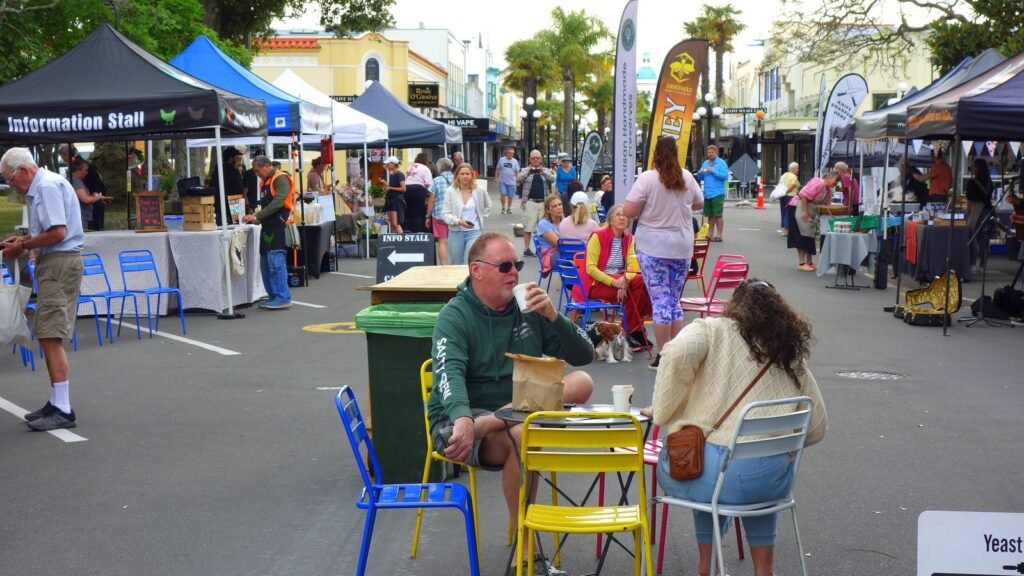
Regional food. The easiest answer to what to eat in New Zealand is to eat where you are: crayfish and seafood on the Kaikōura coast, mussels in Marlborough, hāngī in Rotorua, and Wellington for cafés, craft beer and a food scene that Tourism New Zealand says has more eateries and bars per capita than New York City.
Dining at your own pace. Many travelers rent a car and mix café lunches, takeaways, supermarket picnics and a few restaurant dinners. For general advice, read our food and dining guide.
Experience New Zealand Through Its Food
Deciding what to eat in New Zealand is also a good way to experience the country. Share a hāngī with Māori hosts, eat fish and chips by the water, try a pie on a road trip and visit a vineyard in the sunshine.
Use this guide with our New Zealand travel guide, our 10 day New Zealand itinerary and our guide to New Zealand culture and local customs. If you are also planning an Australian trip, see what to eat in Australia.