
This 10 day New Zealand itinerary is built for first-time visitors who want a mix of city, geothermal landscapes, Māori culture, mountains and fiords without spending the whole trip in the car. It uses four bases, Auckland, Rotorua, Queenstown and Christchurch, with one domestic flight and plenty of time on the ground.
It is part of our New Zealand travel guide, which explains seasons, entry rules and safety in more detail.
10 Day New Zealand Itinerary at a Glance
- Days 1 and 2: Auckland, harbour, Sky Tower and a ferry or island trip.
- Days 3 and 4: Rotorua, geothermal sights and a Māori cultural experience.
- Days 5 to 7: Queenstown, with a long day to Milford Sound.
- Days 8 to 10: Christchurch, then departure.
You fly into Auckland and out of Christchurch, which avoids doubling back. The route has one domestic flight, from Auckland to Queenstown, and a rental car or coach for Auckland to Rotorua and back. A flight or a long drive takes you from Queenstown to Christchurch.
Flying from North America crosses the International Date Line, so you will land a day or more after you leave. In this plan, Day 1 is your first day on the ground, whatever date that is. Distances here come from Tourism New Zealand, which suggests New Zealand is best seen by car or campervan, though flights, buses and trains also link major places.
Before You Go: Entry Rules and Safety
Canadian advice says Canadians do not need a tourist visa for stays of up to 90 days but must get an NZeTA before arrival, and that everyone must complete the free New Zealand Traveller Declaration. You also pay the visitor levy when you request the NZeTA. Allow up to 72 hours for the NZeTA to be processed, and check your passport validity with your airline. Other passports have different rules, so see our visa requirements guide.
Declare food, outdoor gear and plant or animal products when you arrive, because failing to declare risk items can mean a $400 instant fine, according to the Ministry for Primary Industries. Buy travel insurance, because the accident scheme ACC does not cover illness or travel costs, and read our safety and insurance guide. Dial 111 in an emergency. If you rent a car, vehicles drive on the left.
Book the Key Sights First
Tourism New Zealand says the busiest times are around Christmas and high summer, December to early March, and winter in ski areas such as Queenstown, so book ahead. Reserve these early:
- Flights into Auckland, out of Christchurch and between Auckland and Queenstown.
- A rental car or coach for Auckland to Rotorua, and for any days you want to drive.
- A Māori cultural experience in Rotorua, such as an evening hāngī.
- Your Milford Sound cruise, coach, scenic flight or tour from Queenstown.
- Accommodation in Queenstown, which fills up in peak and ski seasons.
Read our guides to accommodation and flights and transportation for general booking tips.
Day 1: Arrival in Auckland
Arrive in Auckland, Tāmaki Makaurau, clear biosecurity and settle in. If you are jet-lagged, keep the first day light with a waterfront walk, an early dinner and an early night. Tourism New Zealand mentions the Viaduct Harbour and Wynyard Quarter waterfront precincts for dining.
Day 2: Auckland and the Harbour
Take in the city with a visit to the Sky Tower, then choose a harbour outing. Waiheke Island is about a 40-minute ferry ride from downtown and has wineries, olive groves and beaches. Rangitoto Island, a volcanic cone with views from its summit, is another option. If you prefer the coast, Tourism New Zealand lists Mission Bay, Kohimarama and St Heliers about 15 minutes from downtown.
Day 3: Auckland to Rotorua
Collect a rental car or take a coach for the drive south. Rotorua is about three hours from Auckland. Tourism New Zealand describes it as the country’s geothermal heartland, with geysers, boiling mud and hot pools, and a hub for Māori cultural experiences. Stick to the walkways and barriers in thermal areas, because pools can be hotter than 100°C and can be hidden under thin crust.
Day 4: Rotorua and Māori Culture
Spend the day on a geothermal and cultural experience. Tourism New Zealand lists Whakarewarewa Living Māori Village, Tāmaki Māori Village and Te Puia as places to try a hāngī, including food steam-cooked in natural thermal pools. Choose a Māori-owned experience and follow your hosts’ lead. Read our culture and customs guide beforehand.
Day 5: Rotorua to Queenstown
Drive back to Auckland, which takes about three hours, return your car and fly to Queenstown. Allow most of the day and keep your airport time generous, since the schedule is tight. Settle into Queenstown, which sits on the shore of Lake Wakatipu among alpine ranges.
Day 6: Queenstown
Use this day for the lake and mountains. Tourism New Zealand lists Queenstown central, Glenorchy and Arrowtown among the must-visit places, and walks and wineries around Gibbston. Keep one flexible day in case weather forces changes, and check the forecast with MetService.
Day 7: Milford Sound
This is the longest day of the trip. Queenstown to Te Anau is about 2 hours 10 minutes by road, and the Department of Conservation says to allow at least two hours from Te Anau for a cruise day plus time for parking. Tourism New Zealand says Milford Sound is the only Fiordland fiord reachable by road and that scenic flights and coach services also take visitors there.
Many travelers book a coach or flight tour from Queenstown so they do not have to drive. The Milford Road can close for weather, rock falls or avalanches, mainly in winter, so check the NZ Transport Agency before you go and carry chains if conditions require. Bring layers and insect repellent, because the area is very wet and Tourism New Zealand says sandflies are legendary.
Day 8: Queenstown to Christchurch
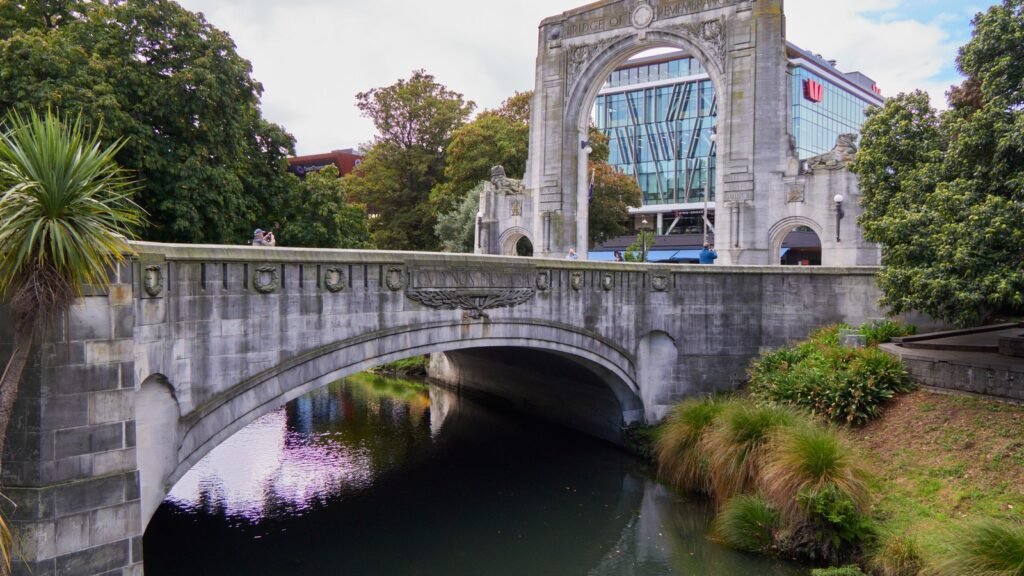
Tourism New Zealand gives about six hours 10 minutes by road between Queenstown and Christchurch, so many travelers fly. Spend the evening in the city, where Tourism New Zealand mentions riverside walks and street art.
Day 9: Christchurch and Canterbury
Explore Christchurch and Canterbury at an easy pace. The region stretches from the Pacific coast to the Southern Alps, and Tourism New Zealand lists Akaroa, Aoraki Mount Cook, Lake Tekapo and Kaikōura among the towns. Kaikōura is about two hours 20 minutes away, so it works as a day trip if conditions allow, but Tourism New Zealand says it remains in recovery after July 2026 flooding, so check council updates first. A simpler day stays in the city.
Day 10: Departure
Allow time for the airport, check your flight times and remember that duty-free and customs rules differ when you return home. Our packing guide has a useful checklist.
New Zealand Travel Tips
- Driving: drive on the left, follow the road rules and take breaks. Tourism New Zealand gives 100 km/h as the maximum on open roads.
- Weather: pack layers and a raincoat. Tourism New Zealand says the weather can change within a day.
- Sun: use shade, a hat, sunglasses and SPF 30+ sunscreen, especially from September to April.
- Phones: Tourism New Zealand says coverage is good in main centres but may be missing in rural and wilderness areas.
- Money: cards are widely accepted. Tipping is not obligatory.
- Power: New Zealand uses the Type I plug and 230 to 240 volts, so bring an adapter.
- Care for the land: follow the Tiaki Promise.
Read our travel budgeting guide to plan costs.
Where to Stay on This Itinerary
In Auckland, stay near the waterfront or city centre so you can walk to ferries and restaurants. In Rotorua, choose a base in or near town and book your cultural experience at the same time. In Queenstown, Tourism New Zealand says staying downtown puts you near the restaurants and nightlife, and options range from backpacker dorms to luxury lodges. In Christchurch, a central base keeps airport transfers simple. Compare cancellation terms and book early in peak seasons.
Best Time for This 10 Day New Zealand Itinerary
Summer, from December to February, offers the longest days and the best conditions for the fiords and lakes, but it is also the busiest and most expensive period. Spring and autumn are quieter, with better availability, though rain is likely in spring. Winter suits ski towns, but you should expect colder weather, snow-prone roads and chains in some areas. Whatever the season, keep a flexible day for weather.
Is 10 Days Enough for New Zealand?
Ten days is enough for a first introduction, but not for everything. Tourism New Zealand’s sample routes range from about a week on one island to three weeks or more for both, so choose depth over breadth. With extra days, add the Bay of Islands, Abel Tasman or the Coromandel, see our coastlines guide, and read the official Auckland to Queenstown itinerary for another view of the same route.
Final Thoughts on This 10 Day New Zealand Itinerary
This 10 day New Zealand itinerary gives you a city, a geothermal and Māori cultural stop, the mountains and a fiord with only four bases and one domestic flight. Book flights, your Milford Sound trip and Queenstown accommodation first, apply for your NZeTA, complete the Traveller Declaration and keep a spare half day for weather.
Pair it with our guides to what to eat in New Zealand and how to plan a better trip. Planning a Tasman crossing? See our 10 day Australia itinerary.