
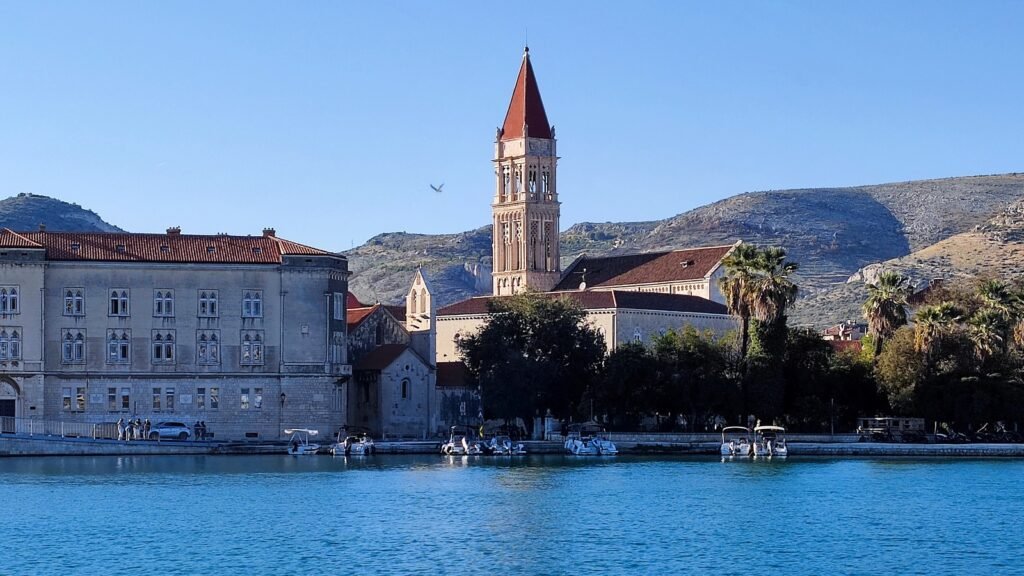
Croatia culture sits where the Mediterranean meets Central Europe. On the coast you see Venetian bell towers, stone lanes and a slow cafe rhythm. Inland, Zagreb feels closer to Vienna and Budapest, with trams, pastry shops and grand squares. For travelers, the result is a country that is easy to enjoy and has a few clear rules worth knowing.
This guide to Croatia culture and local customs covers greetings and language, the coffee habit, dress and behavior rules in the old towns, festivals, heritage sites and sensitive topics. We use official sources where we found them, mainly the Government of Canada, the British government and UNESCO. Where we could not find an official source, we say so and mark the advice as our own view.
Croatia Culture and Local Customs: Understanding the Basics
Croatians are generally direct, hospitable and proud of their towns and regions. Regional identity is strong: Dalmatia, Istria, Slavonia and Zagreb each have their own dialect, food and traditions. Asking where someone is from, and what their town is known for, is an easy way to start a conversation.
Tourism is a major part of life on the coast, and locals share small old towns with very large numbers of visitors each summer. In our view, the most useful custom is simple consideration: keep noise down at night, dress properly in town and treat the old towns as places where people live.
Greetings and Language
The language is Croatian, written in the Latin alphabet. English is widely spoken in tourism, especially by younger people, and Italian and German are also common on the coast.
A few words are appreciated: “dobar dan” means good day, “hvala” means thank you, “molim” means please or you’re welcome, and “bok” is an informal hello and goodbye. A handshake and eye contact are usual when meeting someone. We did not find an official source on greetings, so treat this as general guidance.
Coffee Culture and Daily Rhythm
Coffee is the center of social life. People meet “for coffee” and stay for an hour or more over one cup, on terraces in every town. In Zagreb, Saturday morning coffee in the center is a local tradition. Nobody will rush you, and it is normal to ask for the bill when you are ready.
On the coast, the day slows in the early afternoon heat and picks up again in the evening, when people stroll along the waterfront. Shops in small towns may close for a few hours after lunch. In our view, planning sightseeing for the morning and evening, and resting or swimming in between, matches the local rhythm.
Dress and Behavior Rules in Old Towns
This is the custom that most often catches visitors out. The FCDO says that in some Croatian town centers, including tourist destinations like Split and Dubrovnik, you can get on-the-spot fines for behavior seen as inappropriate. Its list includes drinking alcohol in public spaces, sleeping in public spaces, walking through towns shirtless or in swimwear, wearing clothing that promotes drug use and climbing on monuments.
The FCDO also says you can be fined up to 4,000 euros for public order disturbances, including fighting, verbal abuse such as shouting or arguing, and drunken behavior. The practical rule is easy: put on a shirt or cover-up when you leave the beach, drink at a table, and keep off walls and statues.
Faith, Festivals and Holidays
The Croatian National Tourist Board promotes the country’s culture and arts, and its site is a good place to check events. Croatia is a largely Catholic country, and churches are active places of worship as well as monuments. Dress modestly when you visit, which in our view means covered shoulders and knees, and avoid sightseeing during services.
Major religious holidays such as Easter, the Assumption on August 15 and Christmas are widely observed, and many shops close. Summer brings music and culture festivals to coastal towns, and Zagreb is known for its Advent market in December. We did not read an official festival calendar for this guide, so check dates with the local tourist office before planning around an event.
Heritage Sites
UNESCO lists ten World Heritage properties in Croatia. The cultural ones are the Old City of Dubrovnik (1979, 1994), the Historical Complex of Split with the Palace of Diocletian (1979), the Historic City of Trogir (1997), the Euphrasian Basilica in Poreč (1997), the Cathedral of St James in Šibenik (2000), the Stari Grad Plain on Hvar (2008), the Stećci Medieval Tombstone Graveyards (2016) and the Venetian Works of Defence (2017), which include fortifications in Zadar and Šibenik.
The natural properties are Plitvice Lakes National Park (1979, 2000) and the Ancient and Primeval Beech Forests, a property shared with other European countries. Many of these sites are living towns, so the rules on dress, noise and climbing apply directly.
History and Sensitive Topics
Croatia declared independence in 1991, and the war that followed lasted until 1995. It is recent history, and many people you meet lived through it. In our view, it is fine to visit museums and memorials and to listen when people raise the subject, and better not to offer opinions or jokes about the war, politics or relations with neighboring countries.
The war also left a practical legacy. The FCDO says to beware of unexploded mines in previously war-affected areas outside the tourist resorts, including Eastern Slavonia, Brod-Posavina County, Karlovac County, areas around Zadar County and more remote areas of Plitvice Lakes National Park, and not to step off marked paths there.
Sports and Public Gatherings
Soccer is followed passionately. The FCDO says large gatherings and public events are overwhelmingly safe and peaceful, including sporting events, but that there are periodic cases of violence between soccer fans around matches, especially derby matches. Canadian advice also says sports events sometimes lead to rowdy behavior. Enjoy the atmosphere, and avoid large crowds near stadiums around match times.
Tipping and Paying
We did not find an official source on tipping. In our view, rounding up in cafes and taxis and leaving around 10 percent in restaurants for good service is typical, after checking the bill. Croatia uses the euro, cards are widely accepted, and small cash is useful at markets and on islands.
The FCDO warns that tourists have been overcharged at certain “gentlemen’s clubs,” sometimes by thousands of euros. Ask for prices before ordering in any bar or club that does not display them.
Photography and Respectful Travel
Ask before photographing people at markets and in villages, and do not photograph inside churches during services. Drones and photography near military or police sites may be restricted, so check local rules. On crowded city walls and in narrow lanes, step aside to take photos so that others can pass.
The FCDO says to always carry your passport, since police may ask for identification. It also says illegal drugs carry severe penalties, and that although carrying cannabis for personal use has been decriminalized, it still brings fines.
Practical Cultural Etiquette for Travelers
Greet shopkeepers when you enter, wait to be seated in restaurants where staff are present, and do not expect dinner service to be fast. Swim and sunbathe at the beach, and dress for town when you leave it. Keep voices down in residential lanes at night, since the stone streets carry sound.
If you are invited to a home, a small gift such as wine, chocolates or flowers is welcome. Our guide to what to eat in Croatia explains the dishes you are likely to be offered.
Croatia Culture FAQ
What local customs should I know about in Croatia?
Dress for town when you leave the beach. The UK government says that in some town centers, including Split and Dubrovnik, you can get on-the-spot fines for walking shirtless or in swimwear, drinking alcohol in public spaces and climbing on monuments. It also says to always carry your passport. Beyond the rules, we found no official source on greetings, so in our view a handshake, a polite dobar dan and patience over coffee are safe choices.
Is there a dress code in Dubrovnik and Split?
There is no formal dress code for visitors, but the UK government says walking through town centers shirtless or in swimwear can bring an on-the-spot fine in places such as Split and Dubrovnik. Cover up when you leave the beach, and in our view dress modestly, with shoulders and knees covered, when you visit churches.
How should I talk about the war in Croatia?
The war of the 1990s is recent history and many people lived through it. In our view, visitors should listen when the subject comes up, visit museums and memorials respectfully, and avoid jokes or strong opinions about the war, politics or neighboring countries.
Do I need to tip in Croatia?
We could not find an official source on tipping. In our view, rounding up in cafes and taxis and leaving around 10 percent in restaurants for good service is typical. Check your bill first, and ask for prices in bars and clubs that do not display them, because the UK government reports cases of serious overcharging.
Experience Croatia Culture Beyond the Sights
The best way to experience Croatia culture is to slow down. Sit over a long coffee, shop at the morning market, walk the waterfront in the evening and visit one small town that is not on every itinerary. Follow the dress and behavior rules in the old towns, and stay on marked paths in the countryside.
For more planning, read our Croatia travel guide, our 10 day Croatia itinerary and our guide to Croatia coastlines.