
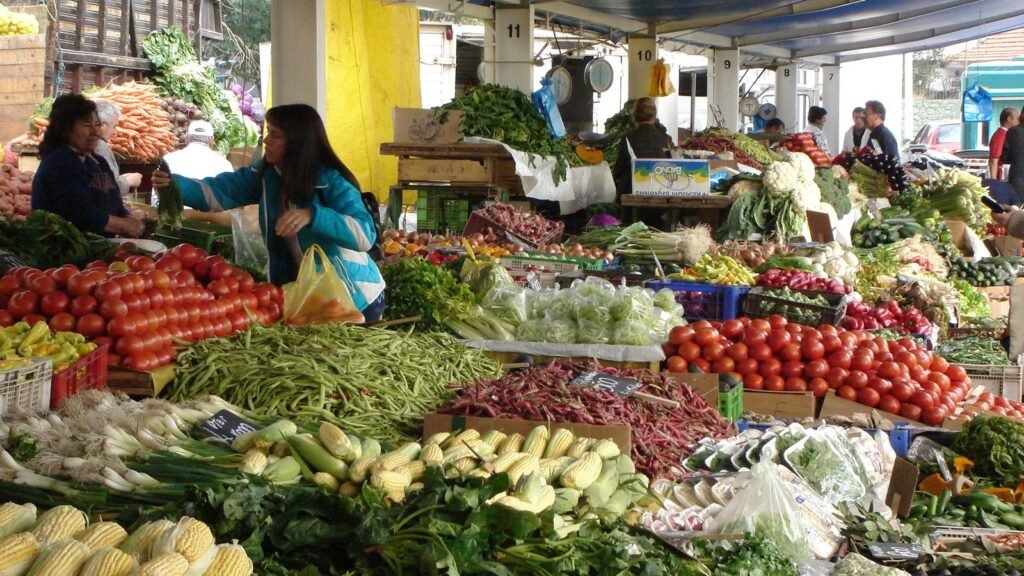
If you are wondering what to eat in Chile, start with the geography. A country this long has a desert kitchen in the north, a farm and wine kitchen in the center, and a forest and seafood kitchen in the south, with Polynesian flavors on Rapa Nui. Chile Travel, the official tourism site, says Chile’s typical cuisine faithfully reflects that diversity.
This guide covers the dishes worth trying, the drinks, and some practical tips for markets, restaurants and tipping. It is one part of our Chile travel guide.
What to Eat in Chile: Start with the Basics
Chile Travel’s guide to Chilean Cuisine Day says Chilean food combines three traditions: Indigenous ingredients such as potatoes, corn, beans, squash and chili peppers, Spanish products and techniques from colonial times, and recipes that arrived from Europe, especially France, in the 19th century. Chilean Cuisine Day, 15 April, was set by presidential decree in 2009.
A simple plan for deciding what to eat in Chile on a first trip is to try an empanada and a completo in your first few days, a pastel de choclo or cazuela at a traditional local restaurant, seafood on the coast, one regional dish such as curanto in Chiloé or lamb in Patagonia, and a glass of Chilean wine. Keep the food safety advice below in mind, especially for shellfish.
What to Eat in Chile by Region at a Glance
- North: chairo, calapurca and roast alpaca, plus corvina ceviche in Arica and Iquique.
- Center: empanada de pino, pastel de choclo, cazuela, caldillo de congrio, porotos granados, humitas in summer and the grilled asado.
- South and Chiloé: curanto en hoyo, salmon and trout, lamb and wild mushrooms.
- Patagonia: lamb on a spit and creamy king crab stew.
- Rapa Nui: fresh tuna, umu ta’o, po’e and sweet potato.
- Everywhere: completos, chorrillana, mote con huesillo, sopaipillas in winter and the afternoon once.
Empanadas, Completos and Street Food
Empanadas. Chile Travel lists the empanada de pino among the iconic dishes of central Chile: a pastry filled with meat, onion, egg and olive. It is easy to find and makes an easy first lunch.
Completos. The completo italiano is a local version of the hot dog and, as Chile Travel puts it, one of the great icons of Chilean urban gastronomy. Its Santiago route points to the classic downtown diners at the Portal Fernández Concha, opposite the Plaza de Armas, for a quick completo before more sightseeing.
Chorrillana and mote con huesillo. Chile Travel’s list of Chilean classics includes chorrillana, a plate of french fries topped with meat and sausage. For something sweet and cold, try mote con huesillo, a refreshing drink made from cooked wheat, dried peaches and a sweet syrup, which Chile Travel suggests trying on Cerro San Cristóbal in Santiago.
Pastel de Choclo, Cazuela and Home Cooking
Chile Travel describes the Central Valley as the cradle of the Chilean Creole tradition. Its signature dish is pastel de choclo, a savory corn pie. The base is minced beef and onions with chicken, boiled eggs, olives and raisins, topped with a corn, milk and basil custard and often served in a clay dish.
Other classics from Chile Travel’s lists include cazuela, a meat or chicken stew, caldillo de congrio, a conger eel soup, porotos granados, a cranberry bean stew, humitas in summer and the grilled asado of beef, pork, chicken and sausages. For a traditional meal, Chile Travel recommends the “picadas” of Santiago, which are simple, long-established local restaurants, and the Mercado Central.
If you visit Mercado Central or the Plaza de Armas, go in daylight. Canadian advice says tourists have been attacked even in daylight and recommends avoiding walking after dark around both places.
Seafood from a Very Long Coast
With so much coastline, seafood is a big part of what to eat in Chile, and it changes from region to region. Chile Travel highlights corvina ceviche in Arica and Iquique in the north, caldillo de congrio in the center, salmon and trout in the south, and king crab stew in Patagonia. Its list of Chilean classics also includes machas a la parmesana, razor clams with parmesan cheese.
Seafood needs a little care. Chile Travel’s food and water advice says lemon juice does not cook food or kill marine bacteria and that shellfish should be boiled vigorously for at least five minutes if you cook them yourself. It also warns that red tide produces a dangerous toxin and that you should buy shellfish only from established, authorized businesses, which is the only guarantee the product has been tested.
In our view, choose busy, licensed restaurants for raw or lightly cured seafood, and never gather or eat shellfish from the shore yourself.
Curanto and the Food of the South
Chile Travel says southern cuisine is shaped by forests, rain, a long coast and Mapuche culture, with seafood, fish, lamb and wild mushrooms as main ingredients. In Chiloé the star dish is curanto en hoyo, an ancestral meal cooked in the earth on hot stones, where seafood, meats, potatoes and chapaleles (potato dumplings) steam together. It is as much a social event as a dish. In Patagonia, Chile Travel points to lamb roasted on a spit and creamy king crab stew.
The north. Chile Travel says Andean Aymara and Atacameña cultures are the main influence, using corn, potatoes, quinoa and llama or alpaca meat. Representative dishes include chairo, a soup of meat, potatoes and corn, calapurca, a soup finished with a hot volcanic stone dropped in the bowl, and roast alpaca. Calapurca is a staple of patron saint festivities.
Rapa Nui. Polynesian heritage and isolation define the island’s food. Chile Travel names tuna, sweet potato, taro and banana as the basics, umu ta’o as the local earth-oven meal cooked with volcanic stones, tunu ahi as a fresh tuna steak cooked on a hot volcanic stone, and po’e as a sweet banana or pumpkin cake. Chile Travel notes that the island’s logistics push prices up.
Once, Sweets and Bakeries
Once. This is Chile’s traditional tea-time meal, and Marca Chile, the country brand, says that unlike countries where dinner is a lavish feast, Chileans fill the table at once time. It describes a cup of tea or coffee with bread such as marraqueta, hallulla or pan amasado, plus butter, cheese, ham, avocado, tomatoes or scrambled eggs, followed by something sweet. Cultural Atlas says once usually falls between 4 pm and 8 pm and is a mix of the Spanish merienda and English afternoon tea.
Sweets. Marca Chile mentions kuchen, cake and pastries such as the chilenito, with sopaipillas and calzones rotos added in winter. Chile Travel’s list also includes chumbeque and powdered-sugar pastries. Calzones rotos translates as “torn underwear.”
Pisco, Wine and Other Drinks
Wine. Chile Travel’s guide to wine tourism highlights five valleys: Colchagua, about 150 kilometres south of Santiago and famous for Carmenere, a variety once believed extinct and rediscovered in Chile; Casablanca, the benchmark for white wines, with fresh Sauvignon Blanc and Chardonnay; Maipo, the cradle of Chilean wine and known for Cabernet Sauvignon; Elqui, in the north; and Itata, known for heritage grapes such as Cinsault and País.
Pisco. Chile Travel calls the Elqui Valley the cradle of pisco and a destination for astrotourism, with tastings that combine wine and pisco. Peru also makes pisco and claims it as a national drink, so you may hear friendly arguments about its origin. Our guide to what to eat in Peru covers the Peruvian side.
Driving and drinking. Canadian advice says Chile has a zero-tolerance policy for drinking and driving, with penalties that include licence suspension, fines and detention. If you tour wineries, book a driver or a tour.
Water. Chile Travel says public tap water in major cities is potable and bacteriologically safe but hard, which can cause temporary stomach discomfort. In rural and remote areas it recommends bottled or boiled water.
Markets, Mealtimes and Tipping
Markets. Santiago’s Mercado Central and the neighborhood street markets known as ferias libres are good places to see produce and seafood. Chile Travel warns about sauces and creams sold at street markets, such as homemade mayonnaise, because refrigeration can be interrupted, and says to wash raw fruit and vegetables thoroughly with drinking water.
Mealtimes. Cultural Atlas says Chileans typically eat four times a day, with lunch the largest meal, and that dining etiquette can be formal depending on the company. Plan on a substantial lunch and a lighter once in the late afternoon or evening.
Tipping and paying. In restaurants, bars and cafés served by waiters, the bill suggests a tip of at least 10 percent, which the customer pays unless they say otherwise, according to the Dirección del Trabajo. Check the bill before adding more. Canadian advice says some small restaurants and stores outside Santiago may not accept credit cards, so carry some cash. For general tips, see our food and dining guide.
A Sample Day of Eating in Chile
Cultural Atlas says Chileans typically eat four times a day, with lunch the largest meal. In our view, a good first-trip day follows that rhythm: a light breakfast, a main lunch of pastel de choclo, cazuela or seafood at a picada, an empanada or completo if you need a snack, a once in the late afternoon with bread, avocado and cake, and a lighter dinner or a seafood supper in a coastal town.
Food Safety Checklist
Chile Travel’s food and water advice boils down to a few habits:
- Choose establishments that display their business license and sanitary authorization.
- Be careful with sauces and creams sold at street markets, such as homemade mayonnaise.
- Wash raw fruit and vegetables thoroughly with drinking water.
- Buy shellfish only from established, authorized businesses because of red tide.
- Boil shellfish vigorously for at least five minutes if you cook them yourself, since lemon juice does not kill marine bacteria.
- Drink bottled or boiled water in rural and remote areas. Tap water in major cities is potable but hard.
Experience Chile Through Its Food
Knowing what to eat in Chile makes a trip more than a list of landscapes. Try a market lunch in Santiago, a ceviche on the northern coast, a curanto in Chiloé, lamb in Patagonia and a glass of wine in one of the valleys, and ask locals what their family eats for once.
For the wider picture, read our Chile culture and local customs guide and the full Chile travel guide. If you are comparing food across South America, see our guides to what to eat in Argentina, what to eat in Peru and what to eat in Colombia.