
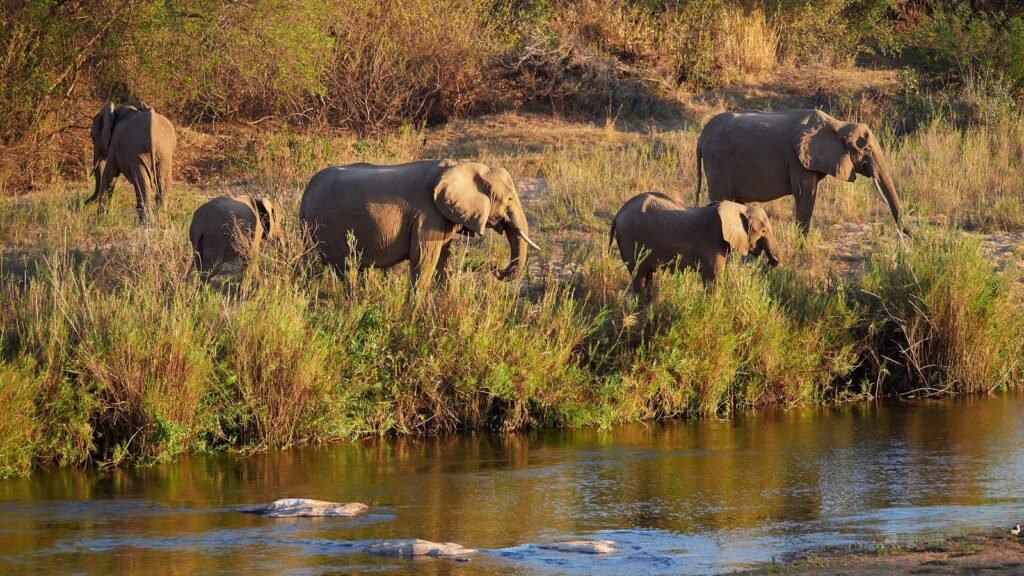
This 10 day South Africa itinerary is built for a first trip that covers Cape Town, the Winelands, the Garden Route and a guided safari in the Kruger area, with a last night in Johannesburg. It mixes mountain, coast and wildlife, and each day has a backup plan.
The route uses domestic flights for the long legs and private transfers or a rental car in daylight for the shorter ones, because the governments we read advise taking care on the roads and avoiding travel after dark. For the full safety summary and entry rules, read our South Africa travel guide.
10 Day South Africa Itinerary at a Glance
- Days 1 to 3: Cape Town, Table Mountain, the Cape Peninsula and Robben Island.
- Day 4: The Winelands near Stellenbosch or Franschhoek.
- Days 5 and 6: The Garden Route, around Knysna or Plettenberg Bay.
- Days 7 to 9: Fly to the Kruger area for a guided safari.
- Day 10: Johannesburg and departure.
The pace is moderate, with two travel days. If you only have a week, skip the Winelands overnight and shorten the Garden Route to one night.
Before You Go: Entry Rules and Safety
Canada, the United Kingdom, the United States and Australia all say their citizens can visit South Africa without a tourist visa for up to 90 days. Canada and the FCDO say your passport must be valid for at least 30 days after you leave and have at least two blank pages. Since 1 July 2026, everyone entering or leaving must complete an online traveller declaration, which the FCDO and the South African Revenue Service explain. See our visa requirements guides for each passport.
Canada and Australia advise a high degree of caution in South Africa because of crime, and the United States lists Level 2. Read the current Canadian and British pages before you book. Keep to the daylight rule, use app-booked or hotel-arranged transport, and go to townships and parks only with reputable guides.
Book the Key Parts First
Book international flights into Cape Town and out of Johannesburg first. Then book your Cape Town stay, your Garden Route lodging, a safari lodge or guided safari package, and the domestic flights. Book Robben Island visits and any Table Mountain cable car or guided hike ahead, because weather can affect both. The FCDO says to check the availability of the cable car if you plan to use it.
Arrange airport transfers in advance. Canada and the FCDO say travelers have been followed from airports, and advise using a transfer arranged by your hotel or tour operator and arriving in daylight where possible. We did not verify current fares, fees or timetables.
Day 1: Arrive in Cape Town
Arrive, check in and keep the first day easy. If you land in the evening, go straight to your accommodation by a pre-arranged transfer. Canada and the FCDO advise using the M3 and N2 and exit 16 of the N2 rather than the R300 or Borcherds Quarry Road. Walk only in busy, well-lit areas near your hotel, and eat nearby.
Backup: if your flight is late, skip the evening plan and rest.
Day 2: Table Mountain and the City
Start early. If the cable car is running, it is the easiest way up Table Mountain. If you hike, the FCDO says to stay on busy, marked trails, choose popular days, hike in groups of four or more and finish before dark, and to avoid quieter areas of the park early in the morning and in the evening. In the afternoon, visit the V&A Waterfront or a museum, and use app-booked transport after dark.
Backup: if the wind closes the cable car or the mountain is covered in cloud, swap to a museum, a market or a food tour.
Day 3: Cape Peninsula and Robben Island
Choose either a full-day Cape Peninsula tour or a Robben Island visit and make the other your Day 4 morning if time allows. UNESCO says Robben Island’s buildings, particularly the political prison, witness the triumph of democracy and freedom over oppression and racism. The Robben Island Museum runs the visits, which depend on the weather.
On the Peninsula, keep your distance from seals and other wildlife, and learn the Shark Spotters flags if you stop at a beach. Swim only at supervised beaches.
Backup: if the ferry is cancelled, join a township or heritage tour with a registered operator.
Day 4: The Winelands
Travel to the Winelands, near Stellenbosch or Franschhoek, in the morning. Canada notes that drinking and driving is common on South African roads, so book a driver or an organised tour for tastings. Spend the afternoon at a vineyard lunch and a walk in town, and stay the night.
Backup: if you prefer to stay by the sea, skip the overnight and add a second Cape Town night.
Day 5: Drive to the Garden Route
Travel to the Garden Route, around Knysna or Plettenberg Bay, in the morning, with a private transfer or a rental car. Leave early so you arrive before dark, keep doors locked and windows closed at junctions, and avoid stopping in isolated places, as Canada and the FCDO advise. The International Driving Permit recommended by Canada matters if you rent a car.
Backup: if you do not want a long drive, fly from Cape Town to George and transfer.
Day 6: Garden Route Day
Spend the day on lagoon walks, a forest canopy trail, a beach day or a boat trip with a registered company. Canada advises making sure life jackets are available for all passengers and not boarding boats that look unseaworthy. Swim only between the red and yellow flags.
Backup: if the weather turns, visit a local market, a wildlife sanctuary or a museum.
Day 7: Fly to the Kruger Area
Fly via Johannesburg to an airport near your lodge. Allow extra time, because the FCDO notes delays at airports from power outages, refuelling disruptions and immigration queues. Arrange the lodge transfer in advance.
Canada, the FCDO and Smartraveller advise avoiding the Numbi Gate entrance to Kruger National Park, and Smartraveller reports crime at the approaches to Kruger and at the Lebombo and Komatipoort border. Ask your lodge which gate and route to use.
Backup: if a flight is delayed, ask the lodge about a later transfer before you drive anywhere on your own.
Day 8: Safari Day
Take a morning and an afternoon game drive with a professional guide. Canada says to exit the vehicle only when a guide or warden says it is safe, never to walk around at night and to follow park regulations. Take malaria precautions as your clinic advises.
Backup: if a drive is cancelled for weather, ask the lodge about a walking talk, a bird hide or a conservation visit.
Day 9: Second Safari Day
Take another game drive or a guided bush walk led by a qualified guide. Keep your distance from animals, never feed wildlife, and keep children close. Rest in the heat of the day and use an insect repellent in the evenings.
Backup: use the spare time for a community or conservation visit arranged by the lodge.
Day 10: Johannesburg and Departure
Fly to Johannesburg and leave for the international flight, or add a night if your flight is late. Canada says Johannesburg’s train station and surrounding area are dangerous, and the FCDO says the Gautrain between Johannesburg, Pretoria and OR Tambo International Airport is generally safer. The Gautrain site lists stations and fares. Do not walk to or from Gautrain stations after dark, as the FCDO advises.
If you have time, visit a museum with an organised tour rather than walking between sights.
Backup: if your flight leaves late, arrange a safe lounge or day room near the airport.
Travel Tips for This Itinerary
Safety rules. Travel in daylight, keep valuables out of sight, use ATMs inside banks or malls and keep drinks in view. Book transport in advance and verify the driver and car match the app. Our travel insurance and safety guide explains medical and evacuation cover.
Money. The currency is the rand, and cash above ZAR 25,000 or the equivalent of USD 10,000 must be declared on entry, according to Canada and the FCDO. See our guide to using money abroad.
Packing. Bring layers, sun protection, walking shoes and a power bank, and see our packing guide.
Getting Around on This Itinerary
Most of the long legs in this 10 day South Africa itinerary are flights, and the rest are short daylight transfers. Canada and the FCDO advise using licensed or app-booked transport, avoiding minibus taxis and Metrorail, and not hailing taxis on the street. If you rent a car, choose a reliable company with 24-hour assistance, keep to main roads rather than shortcuts suggested by GPS, and agree return times with your lodge before you set off.
Download offline maps before you leave your accommodation, because the FCDO advises that GPS navigation can direct you through less secure areas. Keep fuel above half a tank, as the FCDO suggests.
Where to Stay
Choose areas rather than hotels in the first instance. In Cape Town, pick a well-reviewed hotel or guesthouse in a busy, walkable area with good security. In the Winelands and Garden Route, pick a lodge or guesthouse with secure parking and daylight check-in. In the Kruger area, choose a lodge that arranges transfers and game drives. Canada advises checking the security measures of any accommodation before you book.
Best Time for This Itinerary
Late spring and early autumn, roughly September to November and March to May, are comfortable for the Cape and the Garden Route, and winter is a good time for safaris. Canada says Western Cape rain is typically heaviest from May to September and the interior has storms from November to April. We did not find an official month-by-month guide, so check the South African Weather Service before you go.
Is 10 Days Enough?
Ten days is enough to see the highlights without rushing, but you will not see everything. If you want more time, add a night in Cape Town or the Garden Route and skip the extra internal flight. If you want to add the Drakensberg or Durban, extend to two weeks.
Final Thoughts on This 10 Day South Africa Itinerary
This 10 day South Africa itinerary balances a major city, wine country, a scenic coast and a safari, with daylight travel and booked transport as the foundation. Read the current advisories, complete the online traveller declaration and check your passport pages and validity before you fly.
For more planning, read our South Africa travel guide, our guide to what to eat in South Africa, our guide to South Africa culture and local customs and our guide to South Africa coastlines.