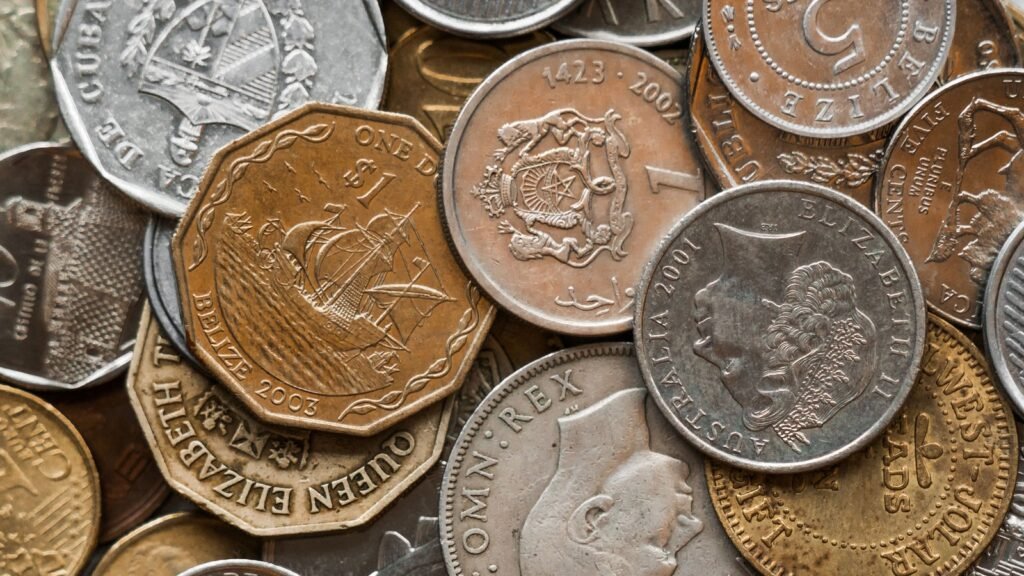
Using money abroad is mostly about avoiding avoidable costs: card fees you did not see coming, poor exchange rates at airport counters, and cards that stop working just when you need them. A little preparation before you leave makes every payment cheaper and every day easier.
Most travelers need a mix: a card that works abroad, a backup card kept separate from it, and a small amount of local cash for the first day. The right balance depends on where you are going, because some places are almost entirely cashless and others still run largely on notes and coins.
This guide covers how to choose cards, how fees work, how to use ATMs and exchange counters, and how to avoid currency conversion traps. Fees and rules vary by bank and by country and change often, so treat the figures here as examples and check your own card agreement before you go.
Start With How You Will Pay
Plan three layers: a main card for most spending, a backup card from a different bank or network stored apart from the first, and a small amount of local cash. If one card is blocked, lost or declined, the backup keeps you moving. Keeping the cards in different places, for example one in your wallet and one in your hotel safe, protects you from losing both at once.
Then look up how your destination handles payments. Many cities accept contactless cards almost everywhere, while markets, small guesthouses, taxis and rural areas may take cash only. A destination guide such as our Morocco travel guide notes where cash is still essential.
Check What Your Cards Charge Abroad
Two costs matter when using money abroad: the exchange rate and the fees on top of it. The UK's MoneyHelper service notes that banks usually apply the Visa or Mastercard exchange rate and may then add a currency fee, often around 3%, sometimes with a per-transaction charge on debit cards. In its review of banking fees, Canada's financial consumer agency reported that most banks charged a cross-border debit fee of roughly 2.5% to 3.5%. These are examples, not promises, and your own card may differ.
Australia's Moneysmart service points out that an international transaction fee on a credit card can still apply when the purchase is shown in Australian dollars, because the fee is triggered by an overseas transaction. Read your card's fee schedule, search for the words "foreign transaction" or "international transaction", and write the percentage down before you leave.
Some cards waive these fees. Travel-focused credit cards and some online accounts charge little or nothing for spending abroad, but they can come with annual fees or other limits. Compare the likely total cost for your trip rather than one headline number.
Debit, Credit or Prepaid: What Is the Difference
Credit cards often give stronger protection for disputes and fraud than debit cards, though the rules differ by country and card issuer, and they let you avoid tying up your own cash. Debit cards take money straight from your account, so a mistake or fraud affects your balance immediately, and some hotels and rental companies place larger holds on debit cards.
Prepaid travel cards can help you stick to a spending limit, but their fees vary widely. The US Consumer Financial Protection Bureau explains that prepaid cards may charge a foreign transaction fee, usually a percentage of the purchase, and advises checking the cardholder agreement before you travel because not every card works outside your home country.
Whichever you choose, make sure you know your PIN and that the card has chip and contactless payment. Visa and Mastercard are accepted in the most places, while some other networks are less widely accepted, so carry your backup on a different network if you can.
Withdrawing Cash at Foreign ATMs
ATMs usually give a competitive exchange rate, but your bank and the ATM owner may each charge a fee. Moneysmart advises checking any fee shown on the ATM screen before you confirm. If your bank charges a flat fee per withdrawal, taking out a larger amount less often spreads that fee over more money, though it also means carrying more cash.
Use ATMs inside banks or in busy, well-lit places, cover the keypad when you enter your PIN and look out for anything loose or unusual on the card slot. Canada's financial consumer agency also notes that some ATMs accept only four-digit PINs, so check that yours will work before you leave. Our travel insurance and safety guide covers staying safe with money in more detail.
A cash advance on a credit card is a different and usually more expensive transaction than a debit withdrawal: the fees are normally higher and interest typically starts straight away. Where you can, use a debit card for cash.
Pay in the Local Currency When Asked
Card machines and ATMs abroad sometimes ask whether you want to pay in the local currency or in your home currency. This is called dynamic currency conversion. It looks convenient because you see the total in familiar money, but the provider sets the exchange rate and often adds a margin.
The European Union's consumer guidance says that paying in the local currency is often the cheapest option, that paying in your home currency gives you a fixed amount upfront but the extra fees often make it more expensive, and that you always have the right to say no. Those are European rules, but choosing the local currency is a sensible default almost anywhere.
If a cashier presses you to choose your home currency, politely decline and ask to pay in the local currency. Check the receipt afterwards to make sure the right currency was charged.
Exchanging Cash: Where and When
Exchanging cash is rarely the cheapest way of using money abroad. Counters at airports and in tourist areas often give weaker rates or add commissions, so exchange only what you need for the first day, such as transport and a meal, and use an ATM or your card for the rest.
Before you exchange, compare the offered rate with the mid-market rate on a currency website or in your banking app, and ask about commissions in advance. Count the notes before you leave the counter and keep the receipt, because some countries ask for proof of exchange if you want to convert leftover money back.
If you carry foreign cash from home, bring notes in good condition. Torn, marked or very old notes can be refused by exchange counters.
Closed and Restricted Currencies
Some currencies cannot be bought, sold or taken out of the country easily. These are often called closed or restricted currencies, and the rules vary from country to country. In practice it means you may not be able to stock up before you travel and may need to exchange leftover money before you leave.
Morocco is an example. At our last check in November 2026, the Government of Canada said the dirham cannot be exchanged outside Morocco, that it is illegal to take dirhams out of the country, and that unused dirhams can be converted at the airport with proof of your original exchange. Australia's Smartraveller adds that the Australian dollar is not on Morocco's approved exchange list, so Australian cash cannot be exchanged there. Our Morocco guide shows how this works on a trip.
Always check your own government's travel advice for the country you are visiting, and check the entry rules as well, because many countries require you to declare large amounts of cash at the border. Our guide to passports, visas and entry requirements explains where to look.
Tell Your Bank and Set Up Alerts
Before you start using money abroad, check your bank's settings. Banks often block unusual transactions, which can include a first purchase in another country. Many banks let you add travel notices in their app and some no longer need them, so check your bank's guidance rather than assuming. Make sure your phone number and email are up to date so a verification message can reach you abroad.
Turn on transaction alerts so every payment sends a notification. They help you spot a mistake or fraud early. Also check your daily card and ATM limits, and ask for a temporary increase if you expect a large purchase.
Save your bank's international contact number and its card-blocking line in your phone and on paper, because the number on the back of your card may not work from abroad. A data plan or eSIM makes it easier to reach your bank, and our travel technology guide covers the options.
Keep Your Cards and Cash Safe
Carry only the cards and cash you need for the day and leave the rest locked in your accommodation. Split cash between pockets or a money belt, and keep a small emergency amount separate from your wallet.
Keep your card in sight when you pay, avoid handing it over where you cannot watch the transaction, and check your statements after the trip for charges you do not recognize. If a card is lost or stolen, contact your bank immediately to block it.
Be wary of unsolicited help at ATMs, distraction tactics and unofficial money changers offering rates that look too good to be true. Use official counters and bank ATMs where you can.
Carry Small Notes for Everyday Costs
Small notes and coins are useful for taxis, tips, markets, public toilets and small purchases where change is hard to find. Ask for smaller denominations when you exchange or withdraw, and break large notes at a bank, hotel or supermarket.
Tipping customs vary widely and cash is often expected. Check the local etiquette in your destination guide before you go, and set aside a small tipping amount each day.
Understand Holds, Deposits and Refunds
Hotels and car rental companies often place a hold on your card as a deposit. The hold reduces your available balance until it is released, sometimes days after you leave. Use a credit card for these holds if you can, and keep enough available credit or balance to cover them.
Refunds can come back at a different exchange rate from the original charge, so the amount in your home currency can differ even when the foreign amount is the same. Canada's financial consumer agency notes this for refunds on foreign purchases. Keep your receipts and check your statement to confirm that refunds arrive.
Check pending charges every few days and dispute anything unfamiliar with your bank promptly. For help planning the whole trip budget, see our travel budgeting guide.
Final Using Money Abroad Checklist
Run through this list a week before you leave and again the night before. It will not replace your bank's own advice, but it covers the problems that cause most trouble.
☐ Main card and backup card from different banks or networks
☐ Card fees abroad checked and written down
☐ PINs remembered and working for ATMs
☐ Bank travel settings checked and transaction alerts on
☐ Daily card and ATM limits suitable for the trip
☐ Bank's international and card-blocking numbers saved
☐ Small amount of local cash for the first day
☐ Currency rules checked for closed or restricted currencies
☐ Cash declaration limits checked for the border
☐ Plan to pay in the local currency when asked
☐ Backup access to funds kept somewhere safe
☐ Receipts and statements kept to check after the trip
Using money abroad gets easier every trip: carry more than one way to pay, know what your cards charge, choose the local currency when asked and keep a small cash reserve. Add these money steps to your wider planning with our guides to planning a better trip and avoiding common travel mistakes.