
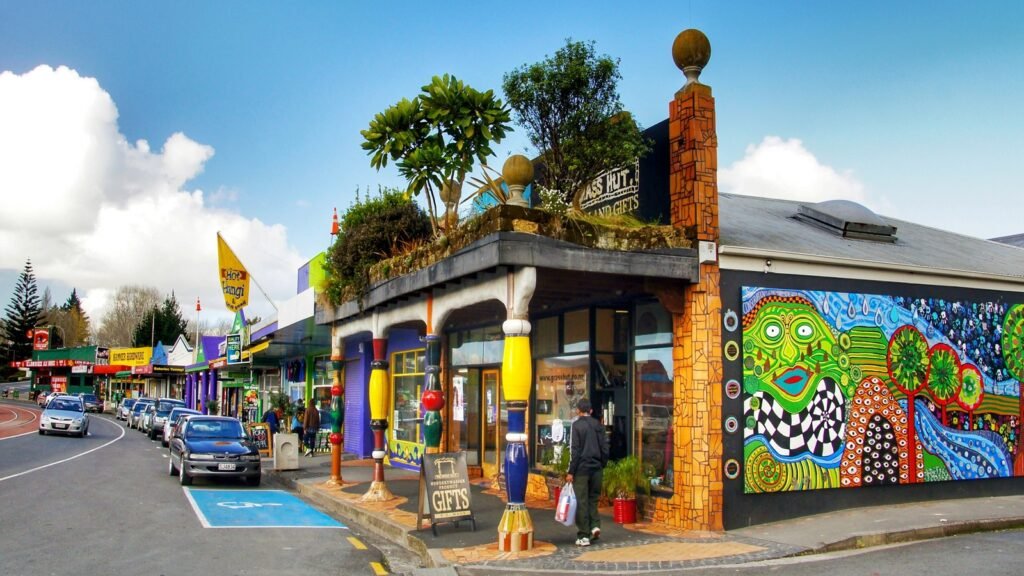
New Zealand culture is a blend of Māori traditions, European settler history, Pacific and Asian communities and a love of the outdoors, and understanding a few basics will make your trip more welcoming for you and for the people you meet. This guide explains the customs travelers most often ask about, with extra care for Māori protocol, which you should always take from your hosts. It is part of our New Zealand travel guide.
New Zealand Culture and Local Customs: Understanding the Basics
Tourism New Zealand describes New Zealanders as friendly and down-to-earth, with a culture shaped by Māori influences, a pioneering spirit and a love of sport and the outdoors. It says the population reflects a patchwork of Māori, European, Pacific Island and Asian influences.
Māori are the tangata whenua, the indigenous people of Aotearoa, the Māori name for New Zealand. Tourism New Zealand says they arrived from the Polynesian homeland of Hawaiki over 1,000 years ago, and that there are more than 100 iwi (tribes), each with its own stories. You will see Māori words, place names and art everywhere, so a little knowledge goes a long way. Practices differ between iwi and between marae, so treat any summary, including this one, as a starting point and follow your host’s guidance.
Māori Culture and Te Reo Māori
Te reo Māori is one of New Zealand’s official languages, and Tourism New Zealand says more than 200,000 people speak it and that it is experiencing a revival. English is the main language of daily life.
Learning a few words is welcomed. The same page suggests starting with kia ora, an informal greeting that can also mean thank you. Other greetings include mōrena (good morning), tēnā koe (a formal hello to one person) and ka kite anō (see you later). Pronunciation matters: Māori has five vowel sounds, a macron marks a long vowel, “wh” sounds like an English “f” and “ng” sounds like the end of “sing”. Tourism New Zealand says trying is what counts, and that correct pronunciation is a sign of respect.
Visiting a Marae and Other Cultural Experiences
A marae is a meeting ground belonging to an iwi, hapū or whānau, with a carved meeting house (wharenui), an open space in front and a dining hall. Tourism New Zealand says you are welcome to look at a marae from the outside, but you cannot walk onto it without being formally welcomed. Inside a wharenui, remove your shoes, do not eat or drink and ask permission before taking photos.
A first-time visitor is welcomed with a pōwhiri, a ceremony that can include a call (karanga), a challenge, speeches (whaikōrero), songs, a gift (koha) and the hongi, a greeting of pressed noses. It ends with a shared meal. The order and details vary between marae, so follow your hosts’ lead and ask if you are unsure.
Most visitors meet Māori culture through organised experiences, such as the cultural villages and venues in Rotorua or the evening hāngī and concert at the Waitangi Treaty Grounds. Choosing Māori-owned operators supports the people sharing their culture. The haka is a performance of pride, strength and unity, so watch with respect rather than as entertainment, and do not join in unless invited.
Greetings and Everyday Courtesy
Everyday life is relaxed and friendly. Tourism New Zealand suggests starting conversations at a market, bar or restaurant, because chatting is the best way to pick up local knowledge, and encourages visitors to try te reo greetings. It describes manaakitanga, or hospitality, as a value New Zealanders pride themselves on.
Practical courtesy goes a long way. Be on time for tours and bookings, queue patiently, keep your voice down in nature and thank your hosts and drivers. Ask before photographing people, and treat carvings and other taonga (treasures) with care.
Outdoor Culture and Caring for the Land
Kiwis love the outdoors, and visitors are asked to join in caring for it. The Tiaki Promise asks everyone to care for land, sea and nature by treading lightly and leaving no trace, to travel safely, and to respect culture and local communities with an open heart and mind.
If you plan to camp in a campervan, Tourism New Zealand says freedom camping rules differ depending on whether land is managed by the local council or the Department of Conservation, so check before you park. Read the Land Safety Code before any walk, and keep to marked tracks in thermal areas, on wildlife beaches and in protected places.
Sport and Social Life
Rugby is the most popular spectator sport, and Tourism New Zealand calls it the grass-roots sport of the average person. Watching a local match is an easy way to feel part of the community. The same page describes the value of “mateship”, or loyalty to friends, which is often seen on the sports field.
Kiwis also enjoy boating, hiking, camping and fishing, and many people live in cities with a lively café culture, restaurants and galleries.
Dining, Tipping and Pubs
Tourism New Zealand says tipping is not obligatory, even in restaurants and bars, but is at your discretion for good service, and that hotels and restaurants do not add service charges. Prices include the 15% Goods and Services Tax.
The minimum age to buy alcohol is 18, and police say you may be asked for ID, with a passport an accepted form. Do not drink and drive. Read our guide to what to eat in New Zealand for dining ideas.
Festivals and Public Holidays
Waitangi Day on 6 February marks the signing of the Treaty of Waitangi, and the Waitangi Treaty Grounds hold events. Matariki, the Māori New Year, has a public holiday that moves each year, so check the dates on govt.nz or Te Papa, and note that Rotorua listed a Matariki festival in July for 2026.
Holiday periods can mean busier roads and fuller accommodation, so book early and check opening hours for your dates.
Heritage Sites
The Waitangi Treaty Grounds in the Bay of Islands describes itself as New Zealand’s most important historic site, the place where the nation’s founding story is told. In Wellington, Te Papa is the national museum.
UNESCO lists Tongariro National Park, Te Wāhipounamu – South West New Zealand and the New Zealand Sub-Antarctic Islands. Tongariro is listed for both natural and cultural values, so show extra respect for places that matter to Māori.
Laws and Safety
You must follow local laws. Canadian advice says penalties for illegal drugs are severe, that some prescription medications may be illegal, and that you should carry medication in its original container with a copy of your prescription. It also says New Zealand has very strict rules and quarantine measures for importing food, animal products and medications.
On the road, hand-held phone use and drink-driving are illegal. Our safety and insurance guide has general advice.
Practical Cultural Etiquette for Travelers
- Say kia ora and try te reo words, and ask if you are unsure how to pronounce a name.
- Remove your shoes at a marae and, as a courtesy, in homes when asked.
- Ask permission before taking photos of people or inside a wharenui.
- Follow signs and track rules, stay on marked paths and take your rubbish with you.
- Choose Māori-owned experiences where you can and follow the host’s lead.
- Be patient and relaxed; punctuality still matters for tours and flights.
Experience New Zealand Culture Beyond the Sights
The best way to understand New Zealand culture is to meet people, listen and take part respectfully. Join a guided cultural experience, learn a few words of te reo, try a hāngī and follow the Tiaki Promise wherever you go.
Use this guide with our New Zealand travel guide, our coastlines guide and our 10 day New Zealand itinerary. Planning to cross the Tasman? See Australia culture and local customs.