
This 10 day Chile itinerary is built for first-time visitors who want a taste of the capital, a UNESCO-listed port city, the driest desert in the world and Patagonia’s mountains. It uses four bases, Santiago, Valparaíso, San Pedro de Atacama and Puerto Natales, with three domestic flights and a lot of time on the move, so it is a fast-paced introduction rather than a relaxed tour.
It is part of our Chile travel guide, which explains seasons, entry rules, safety and natural hazards in more detail.
10 Day Chile Itinerary at a Glance
- Days 1 and 2: Santiago, with the historic center and one of the city’s hills.
- Day 3: Valparaíso and Viña del Mar, with one night on the coast.
- Days 4 to 6: San Pedro de Atacama, with the Valley of the Moon and El Tatio geysers.
- Days 7 to 9: Puerto Natales and Torres del Paine.
- Day 10: Travel back to Santiago for your onward flight.
You fly into and out of Santiago. Chile is far longer than most visitors expect, so each leg is a flight or a long drive. In this plan, Day 1 is your first day on the ground, whatever the clock says. Distances here come from Chile Travel, the official tourism site, whose own sample routes include 8 days from Santiago to the Atacama Desert and a 12-day route through Santiago, the desert and Patagonia.
Before You Go: Entry Rules and Safety
Canadian advice says Canadians do not need a tourist visa, that your passport must be valid for the whole stay and that you receive a tourist card on arrival, valid for up to 90 days, to keep until you leave. Chile Travel says all animal and plant products must be declared on the Agricultural and Livestock Service form, and the SAG offers a free digital declaration. Other passports have different rules, so see our visa requirements guide.
The Government of Canada and Smartraveller both advise a high degree of caution in Chile because of civil unrest and crime, and the US State Department is at Level 2. Read the Canadian advisory before you book, buy travel insurance that covers outdoor activities and medical evacuation, and read our safety and insurance guide. In an emergency, Chile Travel lists 133 for the police.
Book the Key Sights First
Torres del Paine and El Tatio are the bookings that matter most. Reserve these early:
- Flights from Santiago to Calama, and from Calama to Punta Arenas, plus your international flights.
- Your transfer or rental car for Calama to San Pedro de Atacama and for Punta Arenas to Puerto Natales.
- An El Tatio tour with an operator registered with Sernatur, the national tourism service.
- Torres del Paine entry. Chile Travel says to buy tickets in advance and suggests a tour. If you want to sleep inside the park, the park’s own site says to learn about its reservation system first.
- Accommodation in San Pedro and Puerto Natales, which in our view is worth booking early.
Read our guides to accommodation and flights and transportation for general booking tips.
Day 1: Arrival in Santiago
Arrive at Arturo Merino Benítez International Airport. Chile Travel advises using only official transport, with the authorized counters at the exit of Terminal 2 right after baggage claim, and Smartraveller warns of taxi scams at the airport. Complete your SAG declaration, then keep the day light: a short walk in daylight, an early dinner and an early night.
Day 2: Santiago
Chile Travel’s two-day Santiago route is easy to compress. In the morning, see La Moneda Palace, the Plaza de Armas and the National Museum of Fine Arts, then have a completo at the Portal Fernández Concha. In the afternoon, ride the funicular to Cerro San Cristóbal and come down by cable car, or head to the Sky Costanera viewpoint, which Chile Travel calls the highest in South America.
Canadian advice says to avoid walking after dark around Cerro Santa Lucía, the Plaza de Armas, Mercado Central and the parks of Bellavista and Barrio Lastarria, so plan these for daylight and take a ride app or official taxi in the evening.
Day 3: Valparaíso and Viña del Mar
Valparaíso and Viña del Mar are just over an hour from Santiago. Ride some of the more than 15 funiculars, walk Cerro Alegre and Cerro Concepción for the murals and views, and visit La Sebastiana, one of Pablo Neruda’s house museums. Then head to Viña del Mar for the Flower Clock, the waterfront promenade and Wulff Castle at sunset.
Stay the night on the coast. In our view, Viña del Mar or a well-placed hotel is a better base than the hills, since Canadian advice says to avoid walking after dark around Cerro Alegre and other Valparaíso hills. Leave nothing visible in a parked car.
Day 4: Fly to the Atacama Desert
Return to Santiago and fly to Calama. Book an afternoon flight, because the road back from the coast takes more than an hour. From Calama it is about 100 kilometres to San Pedro de Atacama, which Chile Travel puts at one and a half to two hours.
Take it easy on arrival. Chile Travel describes San Pedro as a town of maze-like streets with a church built in 1557 on the main square, and Canadian advice says to know the symptoms of altitude sickness, dehydration and heatstroke before heading into the desert.
Day 5: Valley of the Moon and the Salt Flats
Choose a lower-altitude day first. Chile Travel’s guide to San Pedro says the Valley of the Moon is 15 kilometres from town and worth three to four hours, with a sunset lookout in the Cordillera de la Sal. Cejar Lagoon, about 19 kilometres away, is salty enough to float in, and the Tara Salt Flat, about an hour and a half away, is known for flamingos and reflections.
Pick one outing for the morning and the Valley of the Moon for sunset. Wear sun protection, since Canadian advice notes that the ozone layer is thin over parts of Chile.
Day 6: El Tatio at Dawn
The El Tatio geysers sit at 4,320 metres. Chile Travel says tours begin at 4 or 5 am, the best viewing is between 5:00 and 7:30 am and temperatures hover around 0°C, so dress in layers. It recommends avoiding alcohol the night before, says geyser water can exceed 85°C, so stay on marked paths, and says pregnant women and people over 70 are not admitted.
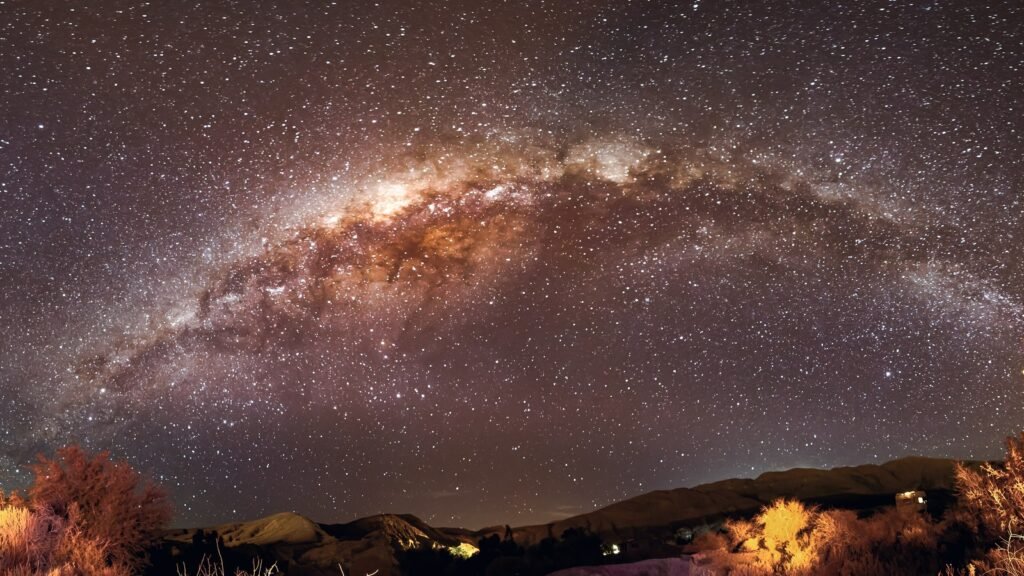
Rest in the afternoon. If you want to stargaze, Chile Travel notes that the north’s clear skies are ideal for astronomical observation, so book an evening tour with a registered operator.
Day 7: Fly South to Patagonia
This is the longest travel day. Fly from Calama to Punta Arenas, which in our view usually means a connection through Santiago. Chile Travel gives about 3 hours 27 minutes for the Santiago to Punta Arenas flight, then just over three hours by bus or rental car, roughly 250 kilometres, from Punta Arenas to Puerto Natales.
Chile Travel says the Puerto Natales airfield has scheduled closures from 1 January to 31 March 2027, which is why this plan flies into Punta Arenas. Expect to reach Puerto Natales in the evening and keep your bags light.
Day 8: Torres del Paine
Chile Travel says that in peak season, from September to April, buses leave Puerto Natales at 7:00 and 12:00 and take about two hours to reach Laguna Amarga, the first stop in the park. By car, it gives 80 kilometres on Route Y-90 to the Serrano entrance or 112 and 129 kilometres on Route 9 to the Sarmiento and Laguna Amarga entrances. Check the park’s daily report for road and trail conditions.
The park’s 2026 page lists general opening hours of 8:00 to 19:00 and says the Base Torres trail has an entry cutoff of 9:30 and a 15:00 exit time. In our view that makes Base Torres hard as a day trip from Puerto Natales, so the viewpoints along the park road are a better fit, or book a guided day tour.
Day 9: A Second Day in Torres del Paine
Use this as your weather day. Chile Travel says the southern climate is rainy throughout the year, even in summer, so keep the plan flexible, whether that means a second park outing, a guided walk or a rest day in Puerto Natales. The park’s rules ban fires and smoking and require you to carry out your rubbish, and the use of any heat source is prohibited by law.
Day 10: Departure
Take the bus or drive back to Punta Arenas, about three hours, and fly to Santiago. Weather can delay flights in Patagonia, so in our view you should not book an international flight home for the same evening. If you can, keep your departure for the following day. Our packing guide has a useful checklist.
Chile Travel Tips
- Transport: use only official airport transport. Smartraveller says taxi scams are common at Santiago Airport.
- Safety: keep valuables out of sight, avoid walking after dark in the areas Canadian advice names and never leave belongings in parked cars.
- Altitude and cold: drink water, rest on arrival and dress in layers for the desert nights and the El Tatio dawn.
- Phones: Chile Travel says coverage is intermittent in remote areas, national parks and Patagonia, so download maps first.
- Money: Canadian advice says some small restaurants and stores outside Santiago may not accept credit cards, so carry some pesos.
- Power: Chile uses 220 volts and Type C and L plugs, so bring an adapter.
- Natural hazards: know the tsunami evacuation routes if you stay on the coast, and check official alerts.
Read our travel budgeting guide to plan costs.
Where to Stay on This Itinerary
In Santiago, choose a hotel in a busy, well-lit area and compare options near the neighborhoods in Chile Travel’s route, such as Lastarria, Providencia or Barrio Italia. On the coast, Viña del Mar or a well-reviewed hotel on the hills works, using ride apps after dark. In San Pedro, Chile Travel describes an authentic yet well-equipped town with many hotels, so book early and choose one that fits your excursion times. In Puerto Natales, a central hotel keeps early bus departures simple. Compare cancellation terms, especially for flights and park bookings that depend on weather.
Best Time for This 10 Day Chile Itinerary
In our view, this route is easiest in the warmer months, because Torres del Paine publishes separate recommendations for winter conditions and the south is rainy all year. Central Chile has warm, dry summers from December to March, but Canadian advice says wildfires are common then, and the Puerto Natales airfield will have scheduled closures from January to March 2027. The desert has cold nights in any season.
Canadian advice also says El Niño conditions are expected to strengthen into 2027, with a higher chance of floods and storms, and that flooding is frequent from May to August. Whenever you go, keep a flexible day for weather and check official alerts.
Is 10 Days Enough for Chile?
Ten days is enough for a first introduction, not for everything. Chile Travel’s sample routes run from 8 days for two regions to 12 days for three, so choose depth over breadth. With more time, add the Lakes and Chiloé or Rapa Nui, and see our coastlines guide.
Patagonia spans Chile and Argentina, so if you want to see both sides, read our 10 day Argentina itinerary. Canadian advice says border crossings can close in severe weather, so plan cross-border days with care.
Final Thoughts on This 10 Day Chile Itinerary
This 10 day Chile itinerary gives you a capital, a port city, the desert and Patagonia with only four bases, but it asks for early starts and long travel days. Book flights, El Tatio and Torres del Paine first, check each government’s current advice, complete your SAG declaration honestly and keep a spare day for weather.
Pair it with our guides to what to eat in Chile and how to plan a better trip. Planning to combine neighbors? See our Argentina travel guide.