
This 10 day Croatia itinerary is built for a first trip that runs north to south in one direction: the capital, the country’s best-known national park, then the two great coastal cities. It covers Zagreb, Plitvice Lakes, Split and Dubrovnik, with a day on the islands and time to swim.
The route avoids backtracking by flying into Zagreb and out of Dubrovnik. It uses buses, one optional rental car and ferries, and each day has a backup. For the full safety summary and entry rules, read our Croatia travel guide.
10 Day Croatia Itinerary at a Glance
- Days 1 to 2: Zagreb, the upper and lower towns and the Dolac market.
- Day 3: Plitvice Lakes National Park.
- Days 4 to 6: Split, with Diocletian’s Palace, Trogir and an island day on Hvar or Brač.
- Days 7 to 9: Dubrovnik, with the city walls, Lokrum and a day trip.
- Day 10: Departure from Dubrovnik.
The pace is moderate, with two long transfers. If you have only a week, skip Zagreb and Plitvice and fly into Split.
Before You Go: Entry Rules and Safety
Croatia is in the Schengen area. Canadian and British advice both say no visa is needed for stays of up to 90 days in any 180-day period, and that your passport must be valid at least three months beyond the date you leave the Schengen area. Border officers register your photo and fingerprints under the EU’s Entry/Exit System, so allow extra time on arrival. The official EU website says ETIAS, the planned travel authorization, is not yet in operation (checked 16 November 2026). See our visa requirements guides for each passport.
All four governments we read rate Croatia at their lowest advisory level. Read the current Canadian and British pages before you book. Two points matter on this route: the FCDO says to stay on marked paths in remote parts of Plitvice Lakes National Park because of unexploded mines, and that walking through town centers in swimwear can bring fines in Split and Dubrovnik.
Book the Key Parts First
Book flights into Zagreb and out of Dubrovnik first, then accommodation in Dubrovnik and Split, which fill early for June to September. Our flights and transportation guide explains open-jaw tickets.
Plitvice Lakes limits daily visitors, so buy timed tickets on the park’s official website before you travel. We did not verify current prices or time slots, so check the official page. In summer, also book the catamaran for your island day and the coastal transfer from Split to Dubrovnik ahead of time.
Day 1: Arrive in Zagreb
Arrive in Zagreb and settle in. Take an easy walk through the lower town’s parks and squares, and have a first coffee on a terrace, which is a local habit. Canadian advice says public transportation in Zagreb is extensive, safe and reliable, and reminds visitors to validate tickets.
Backup: if your flight is late, move the evening walk to tomorrow morning.
Day 2: Zagreb’s Upper Town and Markets
Start at the Dolac market, just above the main square, then climb to the upper town for its churches, museums and views. The afternoon suits a museum or a long lunch of štrukli, the local cheese pastry. Watch for tram rails when crossing streets, as Canadian advice notes.
Backup: on a rainy day, spend longer in museums and cafes.
Day 3: Plitvice Lakes National Park
Travel to Plitvice Lakes by bus or rental car, about two hours from Zagreb, and spend the day on the boardwalks between the lakes and waterfalls. UNESCO inscribed the park in 1979. Stay overnight near the park so that you can walk the quieter trails late in the day or early the next morning.
Keep to the marked paths at all times. Canadian advice says trails are not always marked and weather can change quickly on mountain walks. Backup: if heavy rain closes sections, walk the open lower or upper route only and leave earlier for Split.
Day 4: Travel to Split
Continue south to Split by bus or car, a journey of about four hours. Arrive in the afternoon, check in, and take an evening walk along the Riva, the waterfront promenade, as locals do.
Backup: if you are driving, Canadian advice warns that coastal roads can be narrow and slippery when wet, so leave in daylight.
Day 5: Split and Diocletian’s Palace
Explore the old town, which grew inside the Roman palace of Emperor Diocletian. UNESCO inscribed the Historical Complex of Split in 1979. Visit the cellars, the cathedral and the bell tower, then walk up Marjan hill for a view over the harbor or swim at Bačvice beach.
Dress for town when you leave the beach. Backup: in bad weather, take the short trip to Trogir, a UNESCO-listed island town with a compact old center.
Day 6: Island Day Trip
Take a morning catamaran to Hvar Town or a ferry to Brač. On Hvar, climb to the fortress above the harbor and take a taxi boat to the Pakleni Islands to swim. On Brač, head to Bol and the Zlatni Rat beach.
Canadian advice says ferry services run particularly during summer, so check the return time before you leave. Backup: if sailings are cancelled for wind, visit Trogir or the Roman ruins at Salona instead.
Day 7: Travel to Dubrovnik
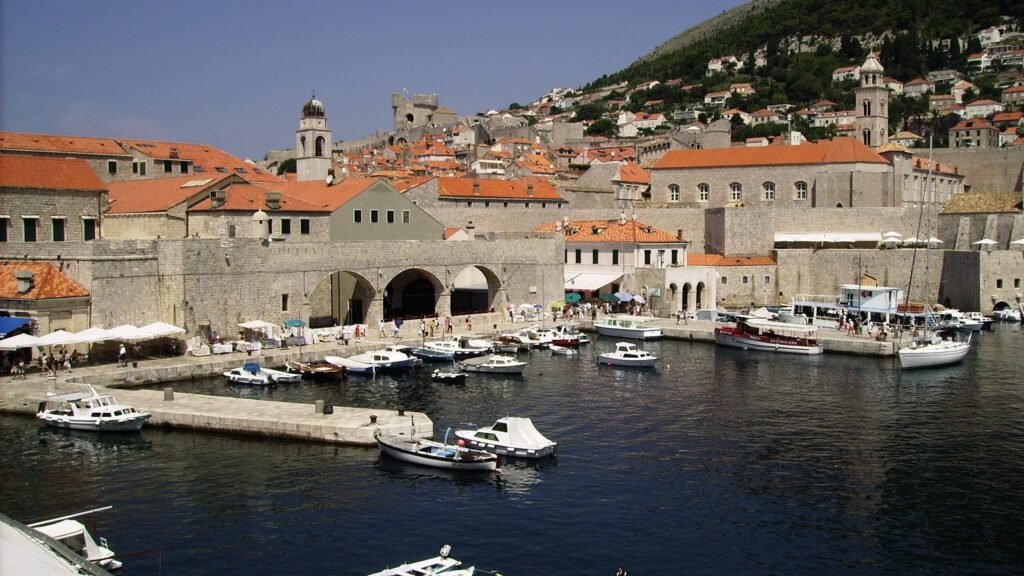
Travel to Dubrovnik by coastal catamaran in season or by bus, about four hours. The road passes the Pelješac peninsula, where Ston is known for oysters. Arrive in the afternoon and walk the Stradun, the main street of the old town, in the evening when day visitors have left.
Backup: if the catamaran is full or not running, the bus runs year-round.
Day 8: Dubrovnik’s Old City and Walls
Walk the city walls as soon as they open, before the heat and the cruise groups. UNESCO inscribed the Old City of Dubrovnik in 1979. Spend the rest of the morning in the lanes, churches and museums, and the afternoon swimming from the rocks or at a nearby beach.
The FCDO says climbing on monuments and walking in swimwear in town centers can bring fines. Backup: in the midday heat, take the cable car to Mount Srđ for a wide view.
Day 9: Lokrum or a Day Trip
Take the short boat ride to Lokrum island for swimming, gardens and shade. Alternatively, join a boat to the Elafiti Islands, or visit Ston for its walls and oysters. Keep the evening free for a last dinner by the harbor.
Backup: if the sea is rough, visit Cavtat, a small seaside town south of the city, by bus.
Day 10: Depart from Dubrovnik
Fly home from Dubrovnik. Allow extra time at the airport, since the FCDO says Entry/Exit System checks may also take place when you leave the Schengen area.
Croatia Travel Tips
- Insurance: buy a policy that covers medical care, delays and any boat trips or hiking. Canadian advice recommends cover for helicopter rescue if you hike in the mountains.
- Money: Croatia uses the euro. Carry some cash for markets, buses and small islands.
- Registration: Canadian advice says visitors must be registered with the authorities within 48 hours. Hotels usually do it, so confirm at check-in.
- Taxis: use marked taxis or a ridesharing app and agree on the fare, as Canadian advice suggests.
- What to bring: water shoes for pebble beaches, a hat and a cover-up for town. Our packing guide has a full list.
Getting Between Stops
This route has three transfers. Zagreb to Plitvice Lakes takes about two hours by bus or car, and Plitvice to Split about four. Buses run on both legs, but a one-way rental car from Zagreb to Split gives you more time in the park and the freedom to stop on the way. Check the one-way fee before you book.
Split to Dubrovnik takes about four hours by bus, or you can take a seasonal catamaran that calls at the islands. You do not need a car in Split or Dubrovnik, where old towns are closed to traffic and parking is scarce and expensive. Our accommodation guide explains how to choose a base near transport.
Where to Stay on This Itinerary
In Zagreb, stay in or near the lower town for walking access. At Plitvice, stay close to a park entrance. In Split, the old town and the streets just outside it keep you near the ferry port. In Dubrovnik, the old town is atmospheric but involves stairs and noise, while the Lapad and Ploče areas are quieter and close to beaches.
We do not name hotels. Book early for summer and check cancellation terms.
Best Time for This 10 Day Croatia Itinerary
In our view, late May, June and September are the best times for this route: warm enough to swim, with full ferry schedules and fewer crowds than July and August. In peak summer, start each day early and book everything ahead. From November to March, island ferries are limited and many coastal businesses close, so replace the island day with Trogir and Šibenik.
Is 10 Days Enough for Croatia?
Ten days is enough for the classic first trip. It leaves out Istria, Zadar, the Kornati islands and the quieter islands such as Vis. With two weeks, add three nights in Istria at the start or two nights on Hvar or Korčula between Split and Dubrovnik.
Final Thoughts on This 10 Day Croatia Itinerary
This 10 day Croatia itinerary keeps the route simple: one direction, four bases and a backup for every day. Book Plitvice, ferries and Dubrovnik early, dress for town when you leave the beach, and stay on marked paths in the parks.
For more detail, read our guides to what to eat in Croatia, Croatia culture and local customs and Croatia coastlines.