
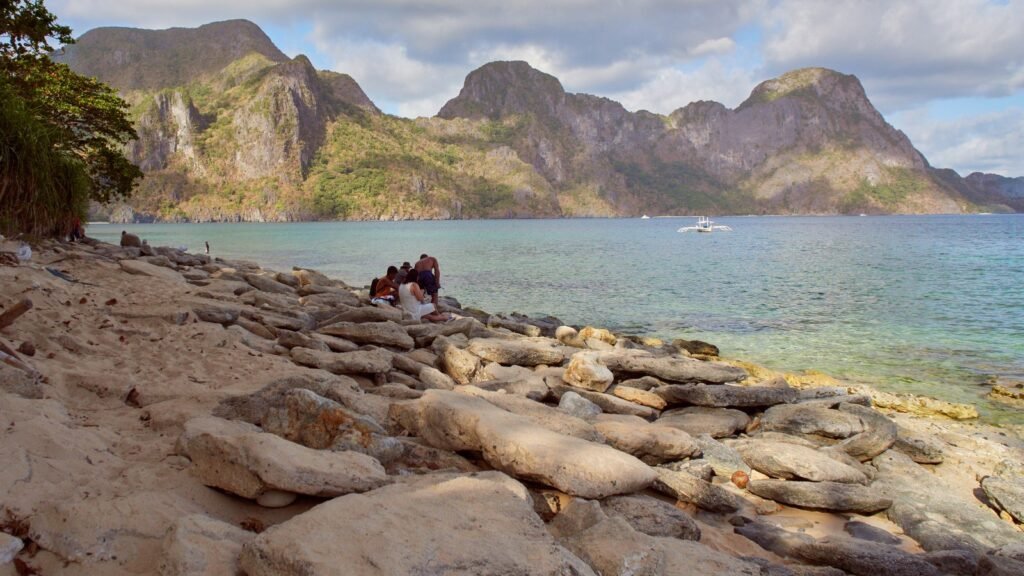
The Philippines is an archipelago of thousands of islands, so it is no surprise that its coastlines are the main reason many people visit. Philippines coastlines range from the limestone lagoons of Palawan to the surf breaks of Siargao, the dive sites of Cebu and the long white sand of Boracay. This guide covers the best-known beach and island areas, the seasons that suit them and the water-safety and island rules that official sources ask visitors to follow.
We use the Department of Tourism for descriptions of places and the governments of Canada, the UK and Australia for safety advice. Distances between islands are large, and sea conditions change with the weather, so treat any beach plan as flexible.
Philippines Coastlines: Where to Start
For a first trip, three coastal areas cover most of what visitors want. Palawan, in the west, has dramatic limestone scenery in El Nido and Coron. The central Visayas, around Cebu and Bohol, mix beaches with diving, waterfalls and wildlife. Boracay, in the west Visayas, is the classic white-sand resort island, and Siargao is the best-known surf destination.
All of these lie outside the Mindanao provinces named in the Canadian, British and Australian advisories, with Siargao the one Mindanao location that the three governments exclude from their warnings. Read the Philippines travel guide for the dated advisory summary before you choose.
Palawan: El Nido and Coron
The Department of Tourism describes El Nido as a place of towering limestone cliffs, hidden lagoons and turquoise water. Its island-hopping tours visit Bacuit Bay, including the Small and Big Lagoons and Matinloc Shrine, and visitors can also kayak under limestone formations, snorkel over coral reefs and hike to viewpoints.
Coron, in the north of Palawan, is known for Kayangan Lake and Barracuda Lake, hidden beaches and coral gardens reached by island-hopping tours, the Maquinit Hot Spring and World War II shipwrecks that attract divers and snorkelers. The Department of Tourism also mentions Balabac, in the south, with about 30 islands and pink-sand beaches, but Canadian advice reports an elevated threat of kidnapping in waters south of Palawan Island, so check the current advice before you consider going that far.
Further afield, UNESCO lists Tubbataha Reefs Natural Park, a marine park of about 96,800 hectares with a 100 m vertical coral wall, and Puerto-Princesa Subterranean River National Park, with an underground river that flows into the sea. Both need advance planning with licensed operators.
Boracay and the Rules There
Boracay’s White Beach is among the most famous beaches in the Philippines. The Department of Tourism lists paraw sailing at sunset, island-hopping and water sports among the experiences, and notes beachfront restaurants and nightlife.
Rules apply. Canadian advice says local authorities restrict visitors to Boracay, so you may need proof of accommodation in an accredited hotel to be allowed entry. It also says some activities are prohibited, including drinking alcohol and smoking tobacco in public places, including White Beach. Read the current rules before you go, and book accredited accommodation.
Cebu, Bohol and the Central Visayas
The Department of Tourism highlights Malapascua in northern Cebu, one of the few places where divers regularly see thresher sharks, and Moalboal, known for diving and island hopping. Inland, Kawasan Falls in Badian offers turquoise pools and a canyoneering route.
Bohol is the first and only UNESCO Global Geopark island in the Philippines, according to the Department of Tourism. It lists Pamilacan Island, with snorkeling, diving and dolphin and whale watching, alongside the Chocolate Hills and the tarsier sanctuary. Cebu and Bohol are linked by ferry, and both have airports, which makes them an easy pair.
Siquijor, the southernmost island of the Visayas, is known for Cambugahay Falls and as the “Healing Island,” according to the Department of Tourism. Canadian advice names waters around Siquijor Island among those with an elevated threat of kidnapping and piracy, so check the latest advice before you plan a stay or a boat trip.
Siargao
Siargao, an island in Surigao del Norte province off the northeast of Mindanao, is the country’s best-known surf destination. The Department of Tourism describes Cloud 9, with strong waves and a boardwalk for sunset views, and the Magpupungko rock formation, where natural pools appear at low tide. It also lists the Tri-Island tour of Naked, Guyam and Daku islands.
Siargao sits in a region where the advisories treat the island differently from the rest of Mindanao. Canada excludes Siargao from its non-essential-travel list for Surigao del Norte, and the UK and Australia both exclude Siargao from their warnings about the rest of the island. Check each advisory before you book, because boundaries can change.
Marine Parks and Protected Areas
Some of the best coastal scenery is protected. UNESCO describes Tubbataha Reefs Natural Park as covering 96,828 hectares, including the North and South Atolls and the Jessie Beazley Reef, with a very high density of marine species and a North Islet that serves as a nesting site for birds and marine turtles. It is a pristine reef with a spectacular 100 m vertical wall, which is why it is known mainly as a diving destination.
Protected areas have rules, usually set by park authorities, covering permits, boat operators, group sizes and what you may touch or take. We could not verify current access arrangements for Tubbataha, so confirm them with a licensed operator and the park authority before you plan around it. Smaller marine sanctuaries along popular coasts also have local rules, so follow your guide’s briefing.
Reef-Friendly Habits
Healthy coral is what makes snorkeling and diving worthwhile, and visitors can help protect it. In our view, a few habits make a difference: do not stand on or touch coral, keep a respectful distance from turtles and other marine life, never feed fish, take your rubbish back to the boat and choose sun protection that you apply well before getting in the water.
Ask operators about their practices before you book. A reputable company explains the rules in a briefing, limits the number of people per boat and does not drop anchors on reefs. These choices also tend to go together with better safety standards, which matters given Canadian advice that some diving and rescue services may not meet Canadian standards.
What to Pack for the Coast
Pack for sun, salt and sudden rain: a rash guard or light long-sleeved shirt, a wide-brimmed hat, water shoes for rocky entries, a dry bag for documents and electronics, insect repellent for dusk and a small first-aid kit. Our packing guide covers the basics, and our travel gear guide explains what is worth buying before you go.
Carry some cash for boat fees and small island shops, since ATMs can be scarce away from larger towns, and keep copies of your passport and eTravel QR code in a waterproof pouch.
Seasons and Sea Conditions
The national weather agency, PAGASA, gives a rainy season from June to November and a dry season from December to May, with a cooler stretch from December to February. Canadian advice says the Philippines sees about 20 typhoons a year, mostly from June to November, and that seasonal flooding can hamper overland travel.
In our view, December to May is the most reliable window for beach trips, though conditions differ from coast to coast, so ask local operators about the sea in the area you plan to visit. In the rainy season, Canadian advice says storms can develop quickly and authorities may suspend ferry services on short notice, even if the weather is clear, so allow spare days at both ends of your trip. PAGASA publishes tropical cyclone bulletins and marine warnings online.
Water Safety
Canadian advice is direct: coastal waters can be dangerous, riptides are common, several drownings occur each year, lifeguards are often absent, many beaches do not post warnings and water pollution is a concern. It advises seeking local advice before swimming and avoiding the water if red flags are flying.
For scuba diving, Canadian advice says diving schools and rescue services may not follow Canadian standards, so use only reputable dive companies that provide proper safety equipment. Check that your insurance covers diving and that the depth and activity you plan are included. The CDC also notes that leptospirosis cases rise after heavy rain and flooding, so avoid swimming or wading in floodwater.
Island Hopping and Boat Safety
Island-hopping tours are the highlight for many visitors, but boats vary in quality. Canadian advice says ferry accidents occur, that some vessels are poorly maintained and overcrowded, and that you should use a reliable company, avoid vessels that look overloaded or unseaworthy, and make sure a life jacket is available. Smartraveller advises against traveling by boat in the southern Philippines.
In our view, booking through an accredited operator or your hotel is safer than negotiating on the beach, and it is worth asking what safety equipment the boat carries. Tide and weather can change the itinerary, so keep your plans flexible and carry waterproof bags for documents and electronics.
Choosing Your Island
If you want limestone scenery and snorkeling, choose El Nido or Coron. If you want a mix of beaches, diving and wildlife with easy transport, choose Cebu and Bohol. If you want a classic white-sand resort, choose Boracay and follow its rules. If you want surf culture, choose Siargao. A first trip rarely works as a beach-hopping marathon, so pick one or two areas.
Our 10 day Philippines itinerary combines Palawan with Cebu and Bohol, with a backup for each flight and ferry.
Experience the Philippines Beyond the Beach
The best Philippines coastlines are not only for sunbathing. Join a local fiesta, eat grilled seafood at a waterfront restaurant and take time for the inland sights. Our guides to what to eat in the Philippines and Philippines culture and local customs help you plan the rest.