
Philippines culture is a blend of Indigenous traditions, centuries of Spanish colonial history, Chinese trading influence and, in recent times, strong ties with the wider world. For travelers, it shows up in family-centered hospitality, festivals that mix faith and street celebration, historic churches and a warm, polite way of dealing with strangers.
This guide to Philippines culture and local customs explains the basics a visitor needs: greetings, language, faith and community, dining, festivals and heritage sites, and the laws and sensitivities that matter. We use official sources where we found them, mainly the Department of Tourism, the Tourism Promotions Board, UNESCO and government travel advice. Where we could not find an official source, we say so and mark the advice as our own view.
Philippines Culture and Local Customs: Understanding the Basics
The Philippines is a country of many peoples and languages spread across thousands of islands, so no single custom applies everywhere. The Tourism Promotions Board’s festival calendar shows how varied the picture is, listing Catholic feasts, Indigenous thanksgiving rites, harvest celebrations and local founding anniversaries in different regions.
Two themes appear in nearly every region. The first is hospitality: visitors are often welcomed with food, questions about family and a lot of curiosity. The second is respect for elders and community, which shapes how people greet, speak and share meals. In our view, a calm, friendly manner and a willingness to listen matter more than getting every custom exactly right.
Greetings and Everyday Courtesy
A smile and a polite greeting go a long way. In our view, a handshake or a friendly nod is fine for most introductions, and using “po” and “opo,” polite words added to sentences when speaking with elders or strangers, is appreciated even if you only know a few words.
Many Filipinos show respect to older relatives with “mano po,” a gesture in which the younger person takes an elder’s hand and touches it to their forehead. Visitors are not expected to do this, but you may see it, especially at family gatherings and church. We could not find an official source on greetings, so treat this as general guidance and follow your host’s lead.
Filipino, English and Regional Languages
Filipino and English are widely used in government, schools and business, and you will find English signs and menus in most places that cater to travelers. Many regional languages are also spoken, such as Cebuano in the central Visayas, Ilocano in the north and Hiligaynon in Iloilo, a language the Tourism Promotions Board mentions in describing the Dinagyang festival.
A few words help: “salamat” means thank you, “magandang umaga” means good morning, and “po” adds politeness. Learning a phrase or two is a simple way to show respect, and most people appreciate the effort.
Faith, Family and Community
Religion is a visible part of public life. UNESCO lists the Baroque Churches of the Philippines, four churches built between the 16th and 18th centuries, as a World Heritage property, and many of the festivals on the Tourism Promotions Board calendar honor the Virgin Mary, the Santo Niño (Child Jesus) or local patron saints. Holy Week, in March or April, is a major observance with processions in towns across the country.
Not every community is Catholic. Canadian advice mentions the Bangsamoro Autonomous Region in Muslim Mindanao, and Indigenous peoples such as the Ifugao in northern Luzon, the Tagbanua in Palawan and the Kalinga in the Cordillera keep their own traditions. The Tourism Promotions Board describes the Tagbanua feast of thanksgiving for the rice harvest, Pagdiwata, as taking place on December 8 in Palawan.
Visiting Indigenous Communities Respectfully
UNESCO describes the Rice Terraces of the Philippine Cordilleras as the product of the Ifugao people, a living cultural landscape that has existed for about two thousand years. If you visit the terraces or other Indigenous areas, treat the visit as an invitation. Ask permission before taking photographs of people, follow the instructions of local guides, and pay for guiding and crafts directly where possible.
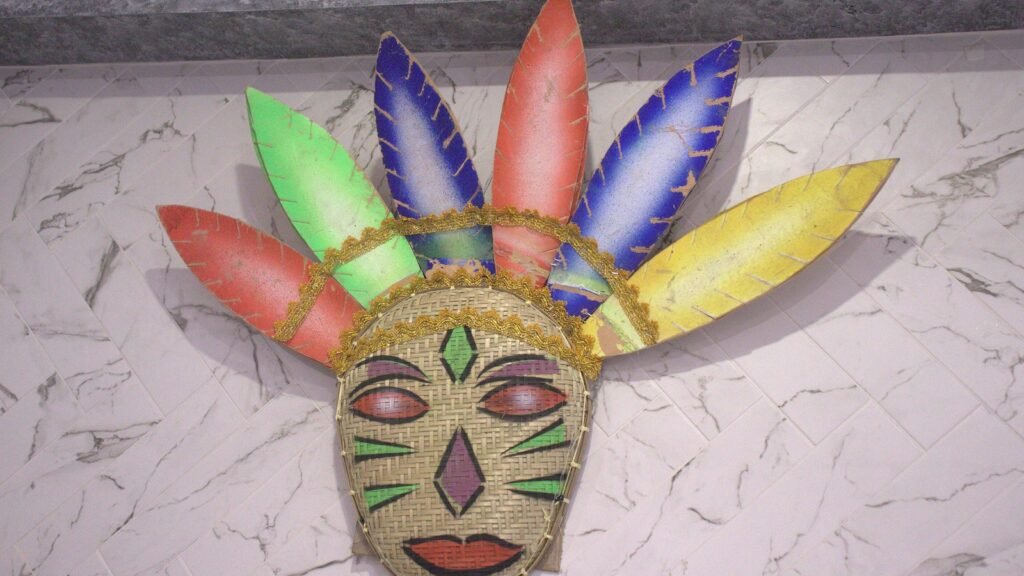
We could not find an official source listing which communities require permits or fees, so ask your guide or the local tourism office before you go. The festivals you may see, such as the Ati-Atihan in Kalibo, involve costumes and body paint rooted in Indigenous heritage. The Tourism Promotions Board describes the Ati-Atihan as honoring the Santo Niño today and as an ancient tradition of Aklan’s Indigenous people. As a visitor, watch respectfully and avoid imitating the costumes.
Dining and Hospitality Etiquette
Meals are social. Dishes are usually shared, and a host may keep offering you more food as a sign of generosity. In our view, accepting at least a small portion, even if you are full, is polite. Eating with a spoon and fork is common, and many people also eat with their hands at informal meals.
If you are invited to someone’s home, a small gift such as fruit, sweets or something from your home country is a kind gesture. Our guide to what to eat in the Philippines explains the dishes you are likely to meet.
Tipping and Paying
We could not find an official source on tipping in the Philippines. In our view, the safest approach is to check your bill for a service charge before adding anything, to round up small fares and tip porters and guides in line with the quality of service, and to carry small bills. Canadian advice says ATMs may be scarce in rural areas, so carry some cash outside the main cities.
Festivals and Public Holidays
Festivals are a highlight of Philippines culture and a good reason to plan your dates, though they also bring crowds and higher prices. The Tourism Promotions Board lists many, including the Feast of the Black Nazarene on January 9 in Quiapo, Manila, the Sinulog in Cebu and the Ati-Atihan in Kalibo, both in January, and the Dinagyang in Iloilo in the fourth week of January. Later in the year it lists the Flores de Mayo in May and the San Fernando Giant Lantern Festival in Pampanga in December.
Dates can change, and the Department of Tourism and the Tourism Promotions Board give different dates for the Sinulog, so check the official calendar and local announcements before you book. Canadian advice says to be particularly vigilant during public celebrations and religious holidays, because terrorists have used such occasions to mount attacks, and to avoid large gatherings and demonstrations.
Heritage Sites and Traditions
UNESCO lists six properties in the Philippines. The cultural properties are the Baroque Churches of the Philippines (1993), the Rice Terraces of the Philippine Cordilleras (1995) and the Historic City of Vigan (1999). The natural properties are Tubbataha Reefs Natural Park (1993, 2009), Puerto-Princesa Subterranean River National Park (1999) and Mount Hamiguitan Range Wildlife Sanctuary (2014).
UNESCO describes Vigan as the most intact example in Asia of a planned Spanish colonial town, with a mix of Spanish, Chinese and Filipino influences. Canadian advice names provinces in Davao Oriental among those to avoid for non-essential travel, so check the advisories before planning a visit to Mount Hamiguitan.
History, Politics and Sensitive Topics
Politics can be a sensitive subject for visitors. Canadian advice says Philippine law prohibits political activities by foreigners and that attending any protest, demonstration or political rally may lead to detention and deportation. Smartraveller says it is illegal for foreigners to join public demonstrations. Avoid areas where large gatherings are taking place.
In conversation, we suggest listening more than debating, especially on politics, history and religion. Locals often ask visitors where they are from and what they think of the country, so keep your answers positive and curious.
Photography and Respectful Travel
Canadian advice says the government prohibits any photography of official buildings or military installations that is intended for publication. Avoid photographing police, military sites and government buildings. In churches, markets and Indigenous communities, ask before photographing people, and put the camera away during religious services unless it is clearly allowed.
Dress modestly in churches and rural communities, which in our view means covering shoulders and knees. On Boracay, Canadian advice says local authorities restrict some activities, including drinking alcohol and smoking tobacco in public places such as White Beach.
Laws and Practical Cultural Etiquette
Smartraveller says penalties for drug offenses are severe, with mandatory sentences common even for small amounts. Canadian advice says cannabis is illegal in any quantity, and Smartraveller says the Philippines has strong laws against child sex crimes and human trafficking. Smartraveller also says local laws do not protect LGBTQIA+ rights and suggests considering avoiding public displays of affection.
Carry identification, since Canadian advice says authorities may request it at any time. Queue patiently, stay calm in disagreements, and remember that raising your voice rarely helps. Canadian advice also says even minor road incidents can escalate quickly, so avoid confrontation.
Philippines Culture FAQ
What local customs should I know about in the Philippines?
Carry identification or a copy of your passport, because Canadian advice says authorities may ask to see it at any time, and remember that foreigners may not take part in political activities or demonstrations. Canadian advice also says the government prohibits photography of official buildings and military installations intended for publication. Beyond the rules, we could not find an official source on greetings, so in our view a friendly smile, polite words such as po and opo, and following your host’s lead are safe choices.
Do I need permission to visit Indigenous communities in the Philippines?
We could not find an official source listing which communities require permits or fees. UNESCO describes the Rice Terraces of the Philippine Cordilleras as the work of the Ifugao people, and the Tourism Promotions Board describes festivals rooted in Indigenous traditions. Ask your guide or the local tourism office about the rules before you visit, ask permission before photographing people and treat any visit as an invitation.
When are the main festivals in the Philippines?
The Tourism Promotions Board lists the Feast of the Black Nazarene on January 9 in Manila, the Sinulog in Cebu and the Ati-Atihan in Kalibo in January, the Dinagyang in Iloilo in the fourth week of January, Holy Week in March or April, and the Flores de Mayo in May. Dates change and the official sources differ for some festivals, so check the calendar and local announcements before you plan around one.
Is it okay to take photos in churches and Indigenous communities?
Canadian advice only addresses official buildings and military installations, which you should not photograph for publication. For churches, markets and Indigenous communities we found no official rule, so in our view you should ask before photographing people, avoid photography during services unless it is clearly allowed and follow your guide’s instructions.
Experience Philippines Culture Beyond the Sights
The best way to experience Philippines culture is to slow down: attend a local fiesta, share a meal, visit a church at a quiet hour and learn a few words of Filipino. Respect the rules about photography, demonstrations and public behavior, and follow the guidance of local hosts.
For more planning, read our Philippines travel guide, our 10 day Philippines itinerary and our guide to Philippines coastlines.