
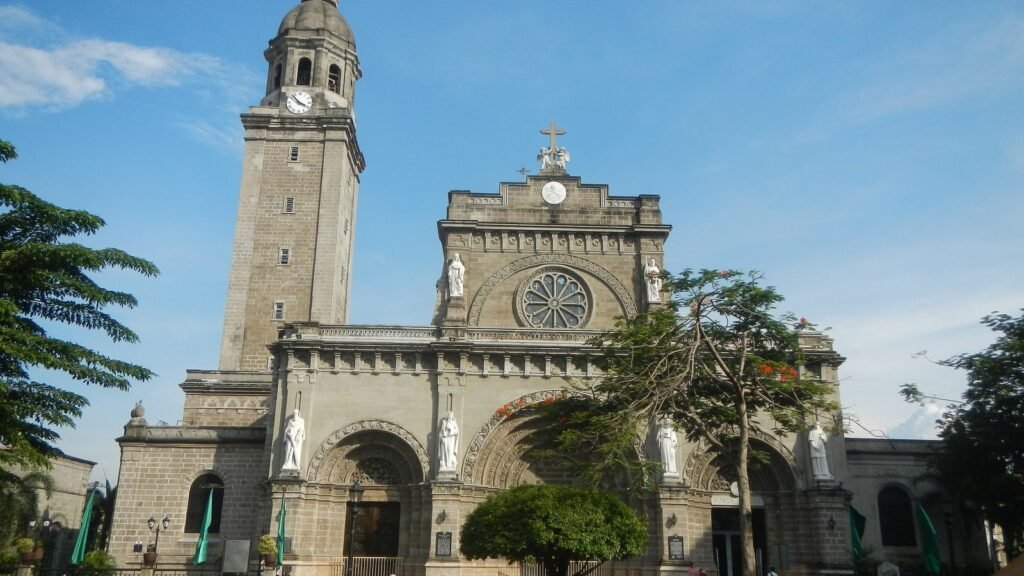
This 10 day Philippines itinerary is built for a first trip that mixes city history, limestone lagoons and a pair of central islands, while staying out of every area named in the official advisories. It covers Manila, Palawan, Bohol and Cebu, with a backup plan for the days when flights, ferries or weather change.
The route follows the shape of the country: you fly into Manila, head west to Palawan, then cross to the Visayas for Bohol and Cebu. Because transport is the hard part of any Philippines trip, each stage allows spare time, and we explain the choices as we go. For the full safety summary and entry rules, read our Philippines travel guide.
10 Day Philippines Itinerary at a Glance
- Days 1 to 2: Manila, with Intramuros and its churches.
- Days 3 to 6: Palawan, with Puerto Princesa, the Underground River and El Nido’s Bacuit Bay.
- Days 7 to 8: Bohol, with the Chocolate Hills, the tarsier sanctuary and the coast.
- Day 9: Cebu, kept light as a weather buffer.
- Day 10: Departure.
This pace has four flights or major transfers and suits travelers who are comfortable with early starts. If you prefer fewer moves, cut Cebu and Bohol and spend more time in Palawan.
Before You Go: Entry Rules and Safety
Canadian and British advice both say a tourist visa is not required for stays of up to 30 days. Register free in the eTravel system within 72 hours before you arrive, keep the QR code on your phone and in print, and check that your passport is valid for at least six months beyond your departure date. The FCDO says you may be asked for proof of return or onward travel. See our visa requirements guides for the passport pages.
None of the places in this itinerary is named in the Canadian, British, Australian or American regional warnings, which focus on parts of Mindanao and the Sulu Archipelago. Advisories change, so read the current Canadian, British, Australian and American pages before you book. Canadian advice also names waters south of Palawan and around Siquijor as having an elevated threat of kidnapping and piracy, which is why this route stays in Bacuit Bay and Bohol’s main areas.
Book the Key Parts First
Book international flights, the Manila to Palawan flight and the Palawan to Bohol or Cebu connection first, because they are the most likely to sell out in peak season. Our flights and transportation guide explains how to compare routes and baggage rules for small domestic planes.
Check the official arrangements for the Puerto-Princesa Subterranean River National Park before you plan around it, because visits to a UNESCO site may require advance booking. We could not verify the current booking process, so confirm it with your accommodation or the park. Also book accredited accommodation on any island that restricts visitors.
Day 1: Arrive in Manila
Arrive in Manila and take it easy. Use an accredited rideshare or a hotel car from the airport, since Smartraveller recommends this to reduce the risk of scams and robbery, and check the provider on the Land Transportation Franchising and Regulatory Board website. Keep valuables out of sight and use ATMs inside banks or secure locations.
Backup: if your flight is delayed, move Day 2 to a later morning and skip the evening plan.
Day 2: Intramuros and Manila’s Heritage
Spend the day in Intramuros, the Walled City built during the Spanish colonial period. The Department of Tourism describes Fort Santiago, cobblestone streets, churches and museums within the walls. UNESCO lists San Agustin Church in Intramuros among the Baroque Churches of the Philippines. Horse-drawn carriages and cycling tours are popular ways to cover the area.
Finish with an early dinner and an early night. Large demonstrations can occur in Manila, so check the news and avoid gatherings. Backup: if rain sets in, swap to museums inside the walled city.
Day 3: Fly to Palawan
Fly to Puerto Princesa, the main gateway to Palawan. The Department of Tourism calls Palawan the Philippines’ “Last Ecological Frontier.” Settle in, walk around the city and rest, because Day 4 starts early.
Backup: morning flights are less likely to be affected by afternoon storms, so choose one if you can.
Day 4: Puerto-Princesa Subterranean River
UNESCO describes Puerto-Princesa Subterranean River National Park as one of the world’s most impressive cave systems, with an 8.2 km underground river that flows directly into the sea. The park lies about 76 km northwest of Puerto Princesa. Go with a licensed operator or the park’s official arrangements, and allow a full day for the round trip.
Backup: if the sea is rough or the visit is not possible, use the day for city sights and a rest day, and keep the cave visit for a spare day if one opens up.
Day 5: Travel to El Nido
Travel north to El Nido. We did not verify current road and flight options between Puerto Princesa and El Nido, so check schedules with your accommodation and allow most of the day. The Department of Tourism describes El Nido as a place of towering limestone cliffs, hidden lagoons and turquoise water.
Backup: if transport is delayed, treat today as a travel day and shift island hopping to Day 6.
Day 6: Island Hopping in Bacuit Bay
Join an island-hopping tour in Bacuit Bay. The Department of Tourism lists the Small and Big Lagoons and Matinloc Shrine, and says visitors can kayak under limestone formations and snorkel on coral reefs. Book through your accommodation or an accredited operator, and ask about life jackets and weather cancellation policies.
Canadian advice warns that riptides are common and lifeguards are often absent, so swim carefully. Backup: if tours are cancelled for weather, spend the day on the beach or at a viewpoint and try again if you have a spare day.
Day 7: Fly to Bohol
Return to the airport for the onward journey to the Visayas. This is the most transfer-heavy day. Check whether a direct flight to Cebu or Bohol is available, and otherwise connect through Manila or Cebu. Cebu and Bohol are separate islands, so expect either a short flight or a ferry between them, and check current schedules.
Canadian advice says authorities may suspend ferry service on short notice when a storm signal is raised, so book flexible tickets and arrive early. Backup: if you lose the day to transport, skip the Bohol sights on Day 8 that you cannot reach and keep the tarsier sanctuary and Chocolate Hills.
Day 8: Bohol: Chocolate Hills and Tarsiers
The Department of Tourism calls Bohol the first and only UNESCO Global Geopark island in the Philippines. Visit the Chocolate Hills, 1,776 mounds that turn green in the rainy season, with a 200-step climb to the viewing deck. Then visit the Philippine Tarsier Sanctuary, where the Department of Tourism says you can see the world’s second smallest primate, a nocturnal animal only 3 to 6 inches tall.
If time allows, the Department of Tourism also lists dolphin and whale watching around Pamilacan Island. Backup: if the weather turns, do the inland sights first and keep any boat trip for another day.
Day 9: Cebu as a Buffer
Travel back to Cebu and keep the day light. The Department of Tourism describes Cebu as a mix of heritage, festivals and marine life. If your schedule is on track, add a short city visit. If you have lost time to weather, use this day to catch up and avoid an early departure.
Canadian advice says pickpocketing and armed robberies are frequent on buses, especially in large cities such as Manila and Cebu, so keep valuables secure and use accredited rideshare instead. Backup: if you need a day to get home, this is your spare day.
Day 10: Depart
Fly home from Cebu, or connect through Manila. Because the Philippines has frequent storms, we suggest booking a flexible or refundable onward ticket and arriving at the airport with plenty of time. Keep your eTravel departure QR code ready, since Smartraveller says you need it for departure as well as arrival.
Philippines Travel Tips
- Travel insurance: buy a policy that covers medical evacuation, delays and any diving or water sports. The FCDO warns that insurance can be invalidated if you travel against its advice.
- Weather: check PAGASA bulletins daily during the rainy season.
- Transport: use accredited rideshare, hotel cars and reliable ferry companies, and avoid overloaded boats.
- Health: ask a travel clinic about hepatitis A, typhoid and malaria precautions for your route, and use repellent against dengue.
- Money: carry some cash for islands where ATMs are scarce.
Our packing guide covers what to bring, including rain protection and reef-safe sun care.
Where to Stay on This Itinerary
In Manila, staying near Intramuros or in a well-served district keeps the first days simple. In Palawan, El Nido town is the base for Bacuit Bay, and Puerto Princesa suits the Underground River. In Bohol, the Chocolate Hills and tarsier sanctuary are inland, so most travelers choose a base close to the coast and use day tours. In Cebu, choose a hotel close to the airport or ferry pier.
We do not name hotels. Pick accredited accommodation with good reviews, and check cancellation terms because storms can change plans.
Best Time for This 10 Day Philippines Itinerary
The national weather agency, PAGASA, gives a dry season from December to May and a rainy season from June to November. Canadian advice says most of the roughly 20 typhoons a year occur between June and November. In our view, the route works best from December to May, with February to April the most reliable for island hopping.
If you travel in the rainy season, keep every day flexible, buy refundable tickets where possible and be prepared to change plans.
Is 10 Days Enough for the Philippines?
Ten days is enough for a first taste, not for the whole country. This route skips northern Luzon, Siargao and the many other islands that are worth a return visit. If you have two weeks, add Vigan and the Ifugao rice terraces, or a surf stop in Siargao.
If you only have a week, cut Cebu and Bohol and spend three nights in Palawan after Manila.
Final Thoughts on This 10 Day Philippines Itinerary
This 10 day Philippines itinerary gives you history in Manila, limestone lagoons in Palawan and wildlife in Bohol, with a built-in buffer and a backup for each day. Keep it flexible, book accredited operators, buy insurance and re-read the advisories before you fly.
For more detail, read our guides to what to eat in the Philippines, Philippines culture and local customs and Philippines coastlines.